Invertir en productos financieros conlleva riesgos. Las pérdidas pueden superar el valor de su inversión inicial.
El colapso del mercado cripto es un tema central para los traders en 2026. A continuación, la guía completa.
El viernes salvaje de las criptomonedas: miles de millones evaporados mientras la amenaza arancelaria de Trump sacude los mercados
El mundo cripto en caos: venta masiva impulsada por la política
El viernes marcó uno de los días más impactantes en la historia de las criptomonedas. En cuestión de horas, el mercado global de criptomonedas experimentó un descenso asombroso, borrando meses de ganancias.
¿El detonante? Una dura advertencia del presidente de EE. UU., Donald Trump, sobre un posible arancel del 100 % a todas las importaciones chinas. Este anuncio envió ondas de choque a través de los mercados financieros, dejando a los traders en apuros y forzando una reevaluación de las estrategias tanto para individuos como para instituciones.
Cómo se desarrolló: el detonante y la cronología
- El impacto arancelario desata el pánico: El caos comenzó cuando Trump, reaccionando a las nuevas restricciones de exportación de minerales de tierras raras por parte de China, reveló planes para aranceles generalizados. Este anuncio activó inmediatamente los recuerdos de la volatilidad de guerras comerciales anteriores.
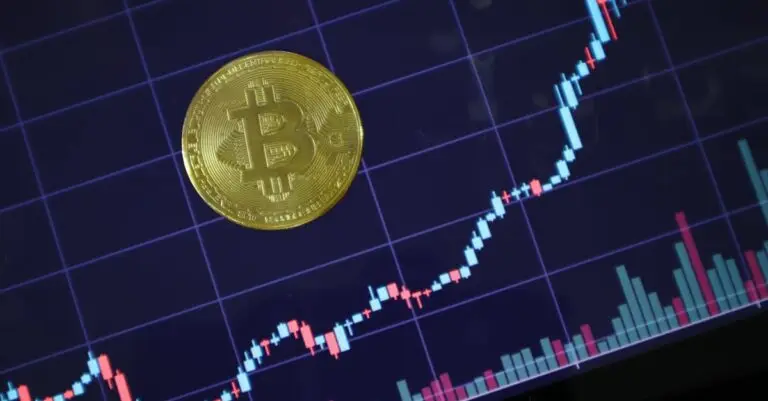
- El desplome de Bitcoin: Bitcoin, que acababa de salir de un rally récord, cayó drásticamente desde más de 122.000 USD a cerca de 113.600 USD. Tocó brevemente mínimos cercanos a los 102.000 USD antes de lograr una pequeña recuperación.
- Venta masiva en todo el mercado: Ethereum, Solana y casi todas las principales criptomonedas siguieron la trayectoria descendente de Bitcoin. La capitalización total del mercado de criptomonedas se desplomó más de un 9 % hasta aproximadamente 3,8 billones de USD, lo que resultó en más de 9.550 millones de USD en posiciones de inversores liquidadas, el evento de liquidación más grande en la historia cripto.
- Posiciones largas eliminadas: La mayoría de las pérdidas provinieron de posiciones largas, donde los inversores apostaban por un crecimiento continuo, perdiendo 8.000 millones de USD. Por el contrario, los vendedores en corto perdieron alrededor de 1.550 millones de USD a medida que la volatilidad del mercado aumentaba en todas las direcciones.
- Efectos dominó en los mercados: Las acciones relacionadas con las criptomonedas no se salvaron. Tanto Robinhood como Coinbase cayeron un 5 %, mientras que otros actores del mercado como Circle y MicroStrategy también enfrentaron caídas significativas.
Flujos de ETF: resiliencia interrumpida
- El impulso de los ETF se detiene: Los ETF de Bitcoin en EE. UU. habían disfrutado de una racha notable de nueve días de entradas positivas, impulsadas principalmente por el fondo IBIT de BlackRock, que absorbió más de 4.200 millones de USD en el mes. Sin embargo, esta racha se detuvo repentinamente con salidas de 4,5 millones de USD, lo que indica que incluso las inversiones institucionales no están aisladas de los choques macroeconómicos.
- El título de «amortiguador» de BlackRock puesto a prueba: Los analistas habían elogiado al IBIT por estabilizar el sector de los ETF durante el reciente rally, pero incluso esta figura imponente enfrentó escrutinio a medida que el sentimiento de aversión al riesgo se apoderaba del mercado.
Monedas individuales: caídas repentinas y recuperaciones poco comunes
- El drama de Dogecoin: En un momento particularmente volátil del día, Dogecoin experimentó una caída repentina y asombrosa del 50 %, pasando de 0,22 USD a 0,11 USD antes de rebotar al rango de 0,19 USD a 0,20 USD. La actividad de las ballenas y los flujos de ETF ayudaron a estabilizar el token después del pánico inicial.
- Ethereum y Solana: Ambas monedas cayeron bruscamente, con Ethereum acercándose a los 1.260 millones de USD en liquidaciones, mientras que Solana se desplomó junto con otras altcoins.
Plantas de trading y exchanges: escenas de la tormenta
- Principales exchanges bajo presión: La plataforma HTX documentó una liquidación monumental de bitcoin que superó los 87 millones de USD, marcando una de las operaciones individuales más grandes en la historia de los derivados cripto.
- Liquidaciones generalizadas: Las ventas forzadas llevaron a «liquidaciones en cascada», una reacción en cadena donde la caída de los precios llevó a los traders con margen a cerrar posiciones perdedoras en masa, amplificando aún más la volatilidad.
Por qué esta vez se siente diferente
Los actores experimentados en el ámbito de los activos digitales han presenciado correcciones bruscas antes, pero la velocidad y la escala del colapso de esta semana han batido récords. Cabe destacar que la venta masiva afectó no solo a los traders minoristas, sino también a los inversores institucionales tomados por sorpresa por los repentinos cambios de política. La convergencia de choques políticos y financieros no ha tenido precedentes, forzando a los mercados tradicionales y digitales a declinar, lo que se destaca por caídas significativas en las acciones vinculadas a las criptomonedas e incluso un dólar estadounidense inestable.
La lente macro: geopolítica y el nuevo régimen de mercado
- La geopolítica ahora controla la narrativa: Hasta ahora, los mercados cripto respondían principalmente a noticias internas, como aprobaciones de ETF y actualizaciones de protocolos. Sin embargo, los recientes desarrollos geopolíticos han recordado bruscamente a todos los involucrados que los activos digitales pueden ser vulnerables al sentimiento de riesgo global.
- El dilema de China: La represión de China sobre las exportaciones de tierras raras ha apuntado a la fabricación occidental, provocando una serie de respuestas de represalia. Con la escalada de amenazas arancelarias, los actores del mercado se ven obligados a reevaluar los riesgos comerciales y la posibilidad de acciones regulatorias adicionales.
Mirando hacia el futuro: qué deben observar los traders, inversores e instituciones
- Los flujos de ETF como barómetro: Mantenga un ojo en el sentimiento institucional. Las nuevas entradas en los ETF de Bitcoin y Ethereum pueden señalar un repunte en la confianza, o más salidas podrían profundizar la recesión.
- Giros en la política: Trump mencionó posibles negociaciones, lo que indica que los aranceles podrían levantarse si China altera sus políticas de tierras raras antes del 1 de noviembre. Anticipe fluctuaciones ante cualquier noticia de desarrollos diplomáticos.
- Zonas de liquidación: Con las principales monedas rompiendo niveles de soporte técnico, monitoree los datos de liquidación de los exchanges y los puntos de precio críticos como indicadores de una posible recuperación o un mayor pánico.
- Riesgo de altcoins: La narrativa de la «temporada de altcoins» se ha visto socavada por las liquidaciones forzadas. Observe cómo las principales altcoins gestionan las recuperaciones o si continúan sufriendo como reflejo del apetito por el riesgo.
Reflexiones finales: adaptarse y sobrevivir
Este colapso sirve como una llamada de atención. En un panorama donde los activos digitales son cada vez más importantes para las finanzas globales, los choques del mundo real pueden poner los mercados patas arriba casi al instante. Hoy, cada trader de criptomonedas debe adoptar perspectivas macro. En tiempos tan turbulentos, la flexibilidad y la precaución son más valiosas que la mera determinación de mantener posiciones.
Prepárese para más trastornos y tenga en cuenta que dentro de cada crisis reside tanto el riesgo como la oportunidad.
Para obtener más información sobre este tema, consulte nuestros análisis profundos sobre Crypto Rally: Robinhood, Bitcoin ETFs and Ethereum’s CROPS Catalyst, Solana Price Prediction: Can SOL Reclaim Key Levels in the PayFi Era?, y Ethereum and Bitcoin Rallies: ETF Inflows, DeFi and Altcoin Drivers.
Para obtener más información sobre este tema, consulte nuestros análisis profundos sobre Crypto Regulation and Bitcoin: How Policy Clarity Reshapes the Market, Trump Family $1 Billion Crypto Profits Amid China Stablecoin Crackdown, y Ethereum ETFs and the USDC Welfare Pilot Reshaping Finance.
Por Alexander Bennett, mesa de investigación de Volity.
Lo que observan nuestros analistas: Tres lecturas conscientes de la macroeconomía filtran la mayor parte del ruido durante un régimen de choque arancelario. La correlación entre activos entre BTC y el Nasdaq-100, medida en una ventana móvil de 20 días, revela si las criptomonedas se están negociando como un activo de riesgo (alta correlación positiva) o intentando una narrativa de desacoplamiento; durante el evento de octubre, la correlación se ajustó a máximos de varios meses. El interés abierto agregado en futuros perpetuos, normalizado frente a la capitalización del mercado al contado, ofrece una lectura anticipada sobre el riesgo de liquidación; cuando el ratio alcanza el extremo superior de su rango, incluso un pequeño movimiento al contado puede desencadenar liquidaciones en cascada. Y los flujos netos de los ETF al contado en las 48 horas posteriores a un choque macro separan la demanda institucional genuina que se reanuda de un rebote de cobertura momentáneo que se revierte en la siguiente impresión negativa.
Artículos relacionados en Volity
- Cómo evitar las estafas de cripto: lista de seguridad para principiantes
- Cómo elegir una plataforma de trading: una lista de verificación de 10 puntos
- Demo vs cuenta de trading real: una lista de verificación de 7 pasos antes de ir en vivo
- Cómo dimensionar una operación: tamaño de posición y riesgo por operación para principiantes
- Ratio riesgo-recompensa explicado: cómo establecerlo y por qué importa
- ETF vs fondo indexado: la diferencia y cuál elegir
Preguntas frecuentes
¿Cómo enmarca el BIS los choques arancelarios transfronterizos y los efectos de contagio de los activos de riesgo?
El BIS publica análisis continuos sobre cómo los choques de política y comercio se transmiten a través de los mercados financieros globales, incluidos los canales a través de los cuales los regímenes de volatilidad de las acciones impulsan caídas correlacionadas en activos de riesgo alternativos. La Revisión Trimestral del BIS es la referencia estándar para la transmisión macrofinanciera internacional. La lectura estructural para las criptomonedas: los choques arancelarios comprimen el apetito por el riesgo global en cuestión de horas, y cualquier clase de activo que se negocie como una apuesta de riesgo se mueve en la misma dirección y con una beta más alta, que es exactamente lo que demostró la secuencia de octubre.
¿Qué dice la investigación de CoinDesk sobre las liquidaciones en cascada en los futuros de criptomonedas?
El evento de octubre arrojó el mayor recuento de liquidación en un solo día registrado en los principales mercados de derivados, con dinámicas de cascada donde la caída del precio al contado activó llamadas de margen que forzaron ventas que activaron más llamadas de margen. La cobertura de los mercados de CoinDesk sobre la cascada de liquidación de octubre publica los datos a nivel de plataforma. La implicación para el trading: el interés abierto agregado antes de un catalizador macro es un indicador confiable del riesgo de liquidación ante la siguiente impresión adversa, y el dimensionamiento de las posiciones durante tales regímenes debe respetar esa asimetría.
¿Cómo acceden los inversores minoristas europeos a la exposición cripto regulada durante un régimen de alta volatilidad?
En plataformas reguladas que cumplen con las reglas de divulgación y apalancamiento de ESMA. El marco de intervención de productos de ESMA para CFD minoristas establece la línea base de la UE para advertencias de riesgo, límites de apalancamiento (2:1 en CFD de criptomonedas) y divulgación minorista estandarizada. Volity, al que se accede a través de UBK Markets y supervisado por CySEC bajo la licencia 186/12, enumera los principales CFD de criptomonedas con fondos de clientes segregados y protección contra saldo negativo que evitan que las cuentas minoristas se vuelvan negativas incluso durante eventos de cascada.
Guías relacionadas
Volity opera una plataforma de trading y también publica contenido educativo y analítico sobre trading. El contenido de esta página es solo con fines educativos y no debe considerarse asesoramiento financiero. Volity puede beneficiarse comercialmente cuando los lectores abren cuentas de trading a través de enlaces en este sitio.
Nuestro contenido se produce y revisa según normas editoriales documentadas; consulte nuestra metodología de comparación y revisión.