Kurze Antwort
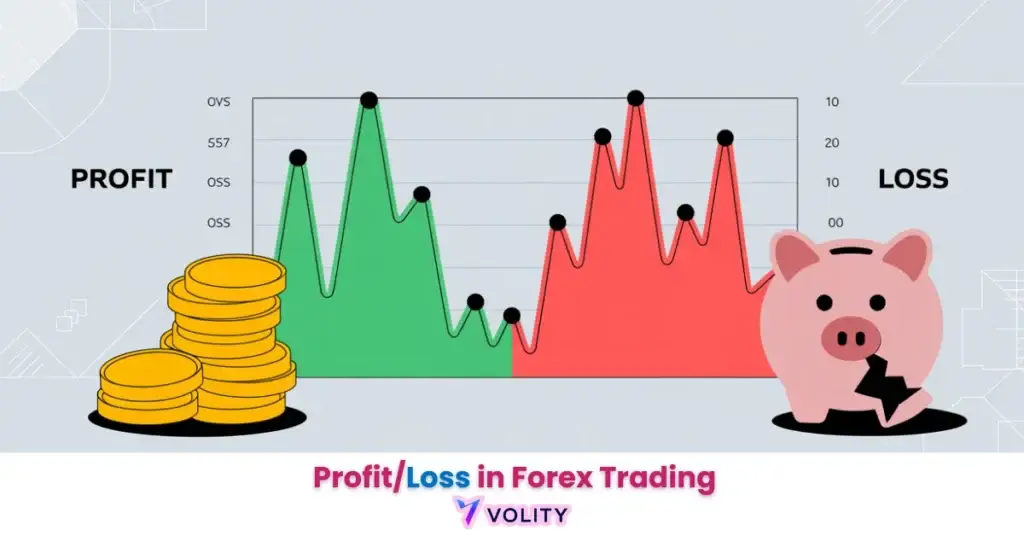
Eine Gewinn-und-Verlust-Rechnung im Trading zeigt Ihre realisierten und unrealisierten Gewinne und Verluste über einen Zeitraum, sodass Sie sehen, ob Ihr Handel nach Kosten wirklich profitabel ist. Sie listet Gewinne, Verluste, Gebühren und das Nettoergebnis auf. Die regelmäßige Lektüre Ihrer G/V-Rechnung ist die Art, wie disziplinierte Trader ihre Leistung verfolgen und Lecks wie Overtrading oder Gebühren erkennen.
Die Konzentration auf nicht realisierte Gewinne/Verluste (P/L), ohne schwebende Verluste zu berücksichtigen, kann zu einer psychologischen Voreingenommenheit in Richtung eines „hoffnungsbasierten“ Tradings führen, bei dem Verlustpositionen unbegrenzt gehalten werden. Ein einziger katastrophaler Verlust während einer Liquidationskaskade kann monatelang sorgfältig angehäufte realisierte Gewinne zunichtemachen. Die Berechnung des Netto-P/L ohne Einbeziehung versteckter Kosten wie Übernacht-Swap-Gebühren und Premium-Spreads bei Paaren mit weiten Spreads unterschätzt die gesamten Handelskosten. Die Verwendung von P/L-Daten aus Phasen mit geringem Volumen oder nachrichtengetriebenen Ausschlägen als Grundlage für die Strategievalidierung führt zu falschen Schlussfolgerungen über den Strategievorteil. Die Wertentwicklung in der Vergangenheit ist kein Indikator für zukünftige Ergebnisse. Kapital ist gefährdet.
Eine Gewinn-Verlust-Rechnung (P/L) ist die quantitative Aufzeichnung der finanziellen Performance eines Traders über einen bestimmten Zeitraum. Im Jahr 2026 trennt die professionelle P/L-Analyse realisierte Gewinne von nicht realisierten „schwebenden“ Positionen, um den Kontostand und das Margin-Risiko präzise zu bewerten. Die Beherrschung fortgeschrittener Kennzahlen wie der durchschnittlichen Rentabilität pro Trade (APPT) ermöglicht es Anlegern, zwischen zufälligem Glück und einem mathematisch validierten Handelsvorteil zu unterscheiden.
Die Gewinn-Verlust-Rechnung (P/L) fungiert als objektive Anzeigetafel für jeden Marktteilnehmer. Diese Finanzaufzeichnung identifiziert das genaue Nettoergebnis ausgeführter Trades nach Berücksichtigung aller marktrelevanten Ausgaben. Sie dient als grundlegende Ebene für Performance-Audits und Steuerberichte im globalen Finanzökosystem. Das Verständnis darüber, wie man die Margin im Forex-Handel berechnet, ist entscheidend, um korrekt zu interpretieren, wie sich P/L-Änderungen auf Ihre Kontosicherheit auswirken.
Die Investitionslandschaft des Jahres 2026 erfordert ein fundiertes Verständnis darüber, wie „auf dem Papier“ bestehende, nicht realisierte Gewinne mit dem tatsächlichen Kontokapital interagieren. Die Beherrschung der Unterscheidung zwischen diesen beiden P/L-Zuständen ermöglicht es Anlegern, Margin-Level mit institutioneller Präzision und emotionaler Kontrolle zu verwalten.
Das Verständnis von Gewinn-Verlust-Rechnung ist wichtig, doch echtes Wachstum entsteht erst durch die Anwendung dieses Wissens. Kostenloses Forex-Handelskonto erstellen, um mit einem kostenlosen Demokonto zu üben und Ihre Strategie zu testen.
Was ist eine P/L-Rechnung im Forex-Handel?
Eine Gewinn-Verlust-Rechnung ist eine umfassende Zusammenfassung, die die finanziellen Nettoergebnisse aller Handelsaktivitäten über einen definierten Zeithorizont identifiziert.
Diese Aufzeichnung verfolgt Eröffnungs- und Schlusskurse, Lotgrößen, Provisionen und Swaps. Der Reiter „Kontohistorie“ auf der Handelsplattform dient als Rohdatenquelle. Wenn sie über einen Handelszeitraum (täglich, wöchentlich, monatlich oder jährlich) aggregiert wird, zeigt die P/L-Rechnung das Nettoergebnis aller kombinierten Transaktionen.
- Definition von P/L (Gewinn und Verlust) und PNL
- Komponenten: Eröffnungs-/Schlusskurse, Lotgrößen, Provisionen und Swaps
- Die Rolle des Reiters „Kontohistorie“ als Rohdatenquelle
Das globale FX-Volumen erreichte 2026 9,6 Billionen USD pro Tag, was die Komplexität der P/L-Verfolgung aufgrund von Hochfrequenz-Tick-Neubewertungen erhöht (BIS Performance Audit, 2026).
Brutto- vs. Nettorentabilität
Die Nettorentabilität identifiziert den endgültigen Gewinn nach Abzug unvermeidbarer Handelskosten von der Brutto-Preissteigerung.
Der Bruttogewinn ist die reine Differenz zwischen Einstiegs- und Ausstiegskursen, multipliziert mit der Lotgröße. Der Nettogewinn zieht die Kosten für den Bid-Ask-Spread, die Broker-Provision und die Übernacht-Swap-Gebühren ab. Eine Bewegung von 50 Pips, die 500 USD Bruttogewinn generiert, könnte nach Kosten nur 473 USD netto einbringen, was verdeutlicht, warum Transaktionseffizienz die langfristige Rentabilität vorantreibt.
Bereit, Ihr Trading auf das nächste Level zu bringen?
Sie haben das Wissen. Jetzt fehlt die Plattform. Schließen Sie sich Tausenden erfolgreichen Tradern an, die Volity für leistungsstarke Tools, schnelle Ausführung und engagierten Support nutzen.
Erstellen Sie Ihr Konto in unter 3 MinutenRealisierte vs. nicht realisierte P/L: Der Risikostandard 2026
Der realisierte P/L identifiziert das endgültige Cash-Ergebnis geschlossener Trades, während der nicht realisierte P/L die Tick-für-Tick-Bewertung offener Positionen verfolgt. Das Verständnis der Beziehung zwischen nicht realisiertem P/L vs. schwebendem P/L ist entscheidend, um unerwartete Liquidationsereignisse zu vermeiden.
Der nicht realisierte (schwebende) P/L steuert die Berechnungen der „freien Margin“ und des „Margin-Levels“ in Echtzeit. Wenn sich eine offene Position gegen den Trader bewegt, reduzieren nicht realisierte Verluste sofort die verfügbare Margin. Der realisierte P/L repräsentiert gesicherte Gewinne oder Verluste, die den Kontostand dauerhaft beeinflussen, sobald Trades geschlossen werden. Das Versäumnis, diese Schwankungen zu überwachen, kann direkt zu einer Margin Call vs. Stop Out-Sequenz führen.
Die Gefahr des „hoffnungsbasierten“ Tradings entsteht, wenn Trader schwebende Verluste unbegrenzt halten und darauf warten, dass sich der Preis erholt. Portfolios, die hohe nicht realisierte Verluste mitschleppen, sind bei nachrichtengetriebenen Ausschlägen strukturell gefährdet.
Nicht realisierter P/L vs. schwebender P/L erklärt die technische Unterscheidung und die Mechanismen der Margin-Auswirkungen.
Wie berechnet man den P/L bei einem einzelnen Trade?
Die manuelle P/L-Berechnung bestimmt die monetäre Auswirkung der Preisbewegung durch Multiplikation der Pip-Distanz mit dem spezifischen Pip-Wert und der Lotgröße. Zu wissen, was ein Lot im Forex-Handel ist, stellt sicher, dass Sie Ihre Berechnungen korrekt für Ihre Positionsgröße skalieren.
(Ausstieg – Einstieg) × Größe × Pip-Wert = Brutto-P/L ist die Standardformel. Bei einer Long-Position generieren steigende Preise Gewinn; bei Shorts generieren fallende Preise Gewinn. Eine Währungsumrechnung wird notwendig, wenn sich die Währung der Position von der Basiswährung des Kontos unterscheidet.
Beispiel für echtes Trading: Ein EUR/USD-Trader kauft 1 Standard-Lot bei 1,1000 und schließt bei 1,1050, wobei er 50 Pips einfängt. Die Berechnung lautet 50 × 10 USD pro Pip × 1 = 500 USD Bruttogewinn. Nach 20 USD Spread-Kosten und 7 USD Provision beträgt der realisierte Netto-P/L 473 USD. Die Wertentwicklung in der Vergangenheit ist kein Indikator für zukünftige Ergebnisse.
Vergleich: Wesentliche P/L-Performance-Kennzahlen
Diagnostische Performance-Kennzahlen identifizieren die spezifischen Gesundheitsindikatoren, die zur Bewertung der langfristigen Nachhaltigkeit eines Traders herangezogen werden.
| Kennzahl | Beschreibung | Auswirkung auf das Konto |
| Realisierter P/L | Gesamte geschlossene Gewinne/Verluste | Kontowachstum |
| Nicht realisierter P/L | Aktuelle Bewertung offener Positionen | Margin-Stabilität |
| Gewinn/Verlust-Verhältnis | Verhältnis von Gewinnen zu Verlusten | Risikoeffizienz |
| APPT | Durchschn. Gewinn pro Trade | Langfristiger Vorteil |
| Drawdown | Max. Rückgang vom Höchststand | Kapitalsicherheit |
Drawdown im Trading erklärt, wie sich maximale Verluste auf die Langlebigkeit des Kontos auswirken.*
Die Überwachung dieser Kennzahlen liefert Frühwarnsignale für eine Verschlechterung der Strategie oder eine Eskalation des Kontorisikos.
Was ist APPT und warum ist es wichtig?
Die durchschnittliche Rentabilität pro Trade (APPT) identifiziert die mathematische Erwartung eines Handelssystems über eine große Stichprobengröße. Die Anwendung institutioneller Risikomanagement-Frameworks stellt sicher, dass Ihr APPT über lange Zeiträume positiv bleibt.
APPT = (Gewinnrate × Durchschn. Gewinn) – (Verlustrate × Durchschn. Verlust) ist die Kernformel. Eine Strategie mit einer Gewinnrate von 40 %, aber einem Chance-Risiko-Verhältnis von 3:1, kann sehr profitabel sein, da die größeren durchschnittlichen Gewinne die höhere Häufigkeit von Verlusten ausgleichen. Die Verwendung von APPT zur Erkennung von „Glückstreffern“ zeigt auf, wenn ein einzelner massiver Gewinn ein grundlegend scheiterndes System verbirgt.
Professionelle Handelsjournale für 2026 priorisieren die „Standardabweichung des APPT“, um sicherzustellen, dass die Renditen eher konsistent als unberechenbar sind, und trennen so den echten Vorteil von rauschbedingter Volatilität.
Risikomanagement-Frameworks betonen, dass ein APPT von über +10 USD pro Trade eine echte Strategierentabilität demonstriert.
Wissen in Gewinn verwandeln
Sie haben gelesen, jetzt ist es Zeit zu handeln. Der beste Weg zu lernen ist durch Praxis. Eröffnen Sie ein kostenloses, risikofreies Demokonto und üben Sie Ihre Strategie noch heute mit virtuellem Guthaben.
Kostenloses Demokonto eröffnenStrategieverfeinerung durch P/L-Analyse
Die historische P/L-Segmentierung identifiziert die spezifischen Marktbedingungen und Vermögenswerte, bei denen ein Trader einen echten technischen Vorteil besitzt.
Die Überprüfung des P/L nach Sitzung (London vs. NY) zeigt, ob die Strategie unter allen Marktbedingungen funktioniert oder nur zu bestimmten Zeiten. Die Überprüfung nach Anlageklasse (Forex vs. Krypto) zeigt, welche Instrumente mit dem Handelsansatz übereinstimmen. Diese Segmentierung verhindert falsche Schlussfolgerungen über den Strategievorteil, die aus nicht repräsentativen Stichprobenzeiträumen gezogen werden.
Häufige Trading-Fehler, die man vermeiden sollte, katalogisiert die analytischen Fehler, die dazu führen, dass Trader P/L-Daten falsch interpretieren.
Trading von Wedge-Mustern demonstriert Konsolidierungsmuster, die in P/L-Aufzeichnungen oft zu konsistenten Gewinn-Trades führen.
Wichtige Erkenntnisse
- Die Gewinn-Verlust-Rechnung ist die primäre Finanzaufzeichnung, die das Nettoergebnis aller Handelsaktivitäten im Zeitverlauf verfolgt.
- Der realisierte P/L repräsentiert die endgültigen Gewinne oder Verluste, die nach dem Schließen einer Position auf dem Kontostand verbucht wurden.
- Der nicht realisierte P/L ist die Tick-für-Tick-Bewertung offener Trades, die sich direkt auf die freie Margin und das Eigenkapital des Kontos auswirkt.
- Die Nettogewinnberechnung erfordert den Abzug aller Transaktionskosten, einschließlich Spreads, Provisionen und Übernacht-Swaps.
- APPT (Durchschnittliche Rentabilität pro Trade) misst die mathematische Erwartung einer Strategie und bestätigt einen echten Vorteil.
- Die P/L-Segmentierung ermöglicht es Tradern zu identifizieren, welche Sitzungen, Vermögenswerte oder Setups die primären Treiber ihres Kontowachstums sind.
Häufig gestellte Fragen
Dieser Artikel enthält Verweise auf die Gewinn-Verlust-Rechnung und Volity, eine regulierte CFD-Handelsplattform. Dieser Inhalt wurde nur zu Bildungszwecken erstellt und stellt keine Finanzberatung oder Empfehlung zum Kauf oder Verkauf eines Finanzinstruments dar. Die Analyse der P/L-Rechnung erfordert sorgfältige Aufmerksamkeit sowohl für realisierte als auch für nicht realisierte Positionen. Segmentieren Sie Ihre P/L-Daten immer sorgfältig, bevor Sie Schlussfolgerungen über den Strategievorteil ziehen. Einige Links in diesem Artikel können Affiliate-Links sein.