Respuesta rápida
El capex de IA es el enorme gasto de capital que las empresas tecnológicas están inyectando en infraestructura de IA como centros de datos, chips y energía para construir y ejecutar modelos de IA. Este auge impulsa la demanda de fabricantes de chips y energía, pero plantea preguntas sobre los retornos y los límites de potencia. Para los traders, el capex de IA moldea las perspectivas de las acciones tecnológicas, los fabricantes de chips y los mercados de energía.
Invertir en productos financieros conlleva riesgos. Las pérdidas pueden superar el valor de su inversión inicial.
La narrativa del mercado es ruidosa. Sus controles deben ser más fuertes.
Las tecnológicas de gran capitalización impulsan ahora gran parte del rendimiento del índice. A principios de 2025, las 10 principales empresas del S&P 500 representaban casi el 40 % del índice, igualando o incluso superando la era de las puntocom [1].
Mientras tanto, el informe de empleo de EE. UU. de julio añadió solo 73.000 nóminas. Más importante aún, eliminó 258.000 empleos del total de mayo-junio mediante revisiones. Eso fue suficiente para cambiar tanto el debate sobre los recortes de tipos como la tasa de descuento en los modelos de cartera [2].
Al mismo tiempo, la IA ha convertido la construcción de centros de datos en una de las cargas energéticas de más rápido crecimiento en el mundo. En 2024, estos sitios utilizaron alrededor de 415 TWh de electricidad, y la demanda sigue aumentando rápidamente [3]. Las instalaciones a hiperescala a menudo necesitan conexiones de más de 100 MW. Por lo tanto, la energía, no las GPU, se está convirtiendo en el límite real [4]. Múltiples previsiones esperan ahora que la demanda mundial de energía de los centros de datos se duplique para 2030 [5].
La política comercial está añadiendo una presión adicional. En 2024, EE. UU. amplió los aranceles de la Sección 301 para cubrir semiconductores, baterías y más [6]. Luego, en agosto de 2025, Washington amplió estas medidas entre varios socios. Como resultado, las cadenas de suministro tecnológicas enfrentan mayores costos y más incertidumbre [7].
La ola de capex es real, y desigual
Para obtener ideas de exposición más amplias, consulte nuestra guía de cripto IA, infraestructura DePIN y estrategia de asignación de activos.
- Alphabet elevó la guía de capex para 2025 a ~85 mil millones de USD, citando servidores y nuevos centros de datos [8].
- Meta proyectó entre 66 y 72 mil millones de USD en 2025, incluyendo arrendamientos financieros para infraestructura de IA [9].
- Microsoft mantiene su plan centrado en IA de ~80 mil millones de USD, aunque el ritmo se ralentizará [10].
- Amazon tiene un objetivo de capex de ~100 mil millones de USD, principalmente para AWS y chips personalizados [11].
Un capex tan grande se convierte en una fuerza macroeconómica. Moldea la demanda de servicios públicos, la producción industrial, los pedidos de semiconductores e incluso el uso del suelo para los centros de datos. También crea un riesgo de nombre único. Si un hiperescalador retrasa el gasto, el efecto puede extenderse a través de varias cadenas de suministro a la vez.
Por qué la «coincidencia de patrones» sigue chocando con la física, y con el P&L
Los modelos de lenguaje grandes son poderosos para encontrar patrones. Sin embargo, solo escalan hasta que alcanzan límites en datos, computación y energía.
Esto no es solo teoría. En 2021, Bender y sus colegas advirtieron sobre los rendimientos decrecientes de los modelos cada vez más grandes [13]. Por el contrario, las «leyes de escala» de 2020 convencieron a muchos de que más grande siempre significaba mejor [14]. Ahora, incluso líderes como Yann LeCun dicen que se necesitarán nuevas arquitecturas para el próximo gran salto [13].
Para los inversores, la lección es clara: no valore rendimientos perpetuos altos basándose solo en el tamaño del modelo. En su lugar, exija pruebas de economía unitaria, una ventaja en los datos y un acceso estable a la energía.
Un manual práctico para CIOs y gestores de carteras
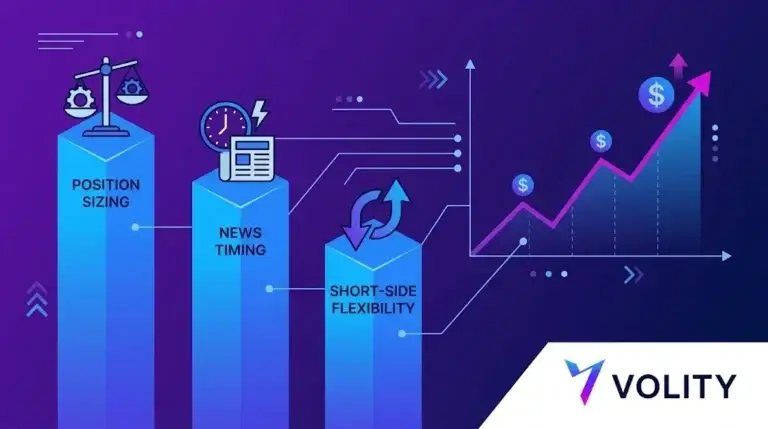
1) Dimensionamiento de posiciones para el riesgo de concentración
Establezca límites claros a la exposición a megacapitalizaciones dentro de su mandato.
Realice pruebas de escenario ante una caída del 20-30 % en los líderes de IA si el capex se ralentiza o aparecen retrasos energéticos.
Incluya choques arancelarios en estas pruebas para modelar mayores costos de importación.
Equilibre la exposición combinando participaciones ponderadas por capitalización con nombres de igual ponderación o de mediana capitalización [1].
2) Haga de la energía un elemento de diligencia, no una casilla de verificación ESG
Pregunte a sus socios por las fechas de interconexión, los términos de compra de energía y los planes de respaldo.
Modele los retrasos de los proyectos basados en el acceso a la red, las necesidades de refrigeración y el suministro de agua [3][4][5].
3) Traduzca el riesgo arancelario en números reales
Mapee sus costos con las líneas arancelarias.
Cuantifique los cambios en los costos de entrega y cuánto puede trasladar a los clientes.
Planifique los cronogramas de reabastecimiento antes de que los cambios de política tengan efecto [6][7].
4) Esté atento a las señales de disciplina de capex
Realice un seguimiento de: ingresos por dólar de capex, uso de aceleradores, conversión de efectivo y velocidad de monetización de la IA.
Escuche el lenguaje de la guía: el aumento de 10 mil millones de USD de Alphabet, el rango de 66-72 mil millones de USD de Meta, el ritmo más lento de Microsoft y el plan de ~100 mil millones de USD de Amazon, todos contienen señales [8][9][10][11].
5) Mantenga una manga de activos contracíclicos
Los bancos centrales se mantuvieron como compradores netos de oro en el segundo trimestre de 2025 a pesar de un ritmo más lento [12].
Dimensione las asignaciones de acuerdo con sus necesidades de liquidez y su mandato.
Señales que importan
- Actualizaciones de la red: aprobaciones o aplazamientos cerca de los sitios de centros de datos [3][5].
- Calendarios arancelarios: avisos de la USTR y respuestas de los socios [6][7].
- Cadencia de capex: aumentos o recortes trimestrales en los planes de gasto [8][9][10][11].
- Datos laborales: nóminas y revisiones como la de julio de +73k/-258k [2].
Conclusión para el segundo semestre de 2025
El capex de IA es una marea poderosa. Sin embargo, los límites energéticos y la política comercial forman la costa que definirá su alcance.
Por lo tanto, recompense a las empresas que convierten el gasto en retornos de efectivo, no solo en lanzamientos de modelos. Además, diversifique alejándose de cualquier narrativa única combinando la exposición a través de capitalizaciones de mercado y regiones.
Volity
Volity ofrece a los inversores las herramientas para actuar sobre este manual con una ejecución de grado institucional y acceso a los mercados globales, donde cualquier volumen encuentra agilidad. La plataforma ofrece operaciones profesionales y fiables con un acceso sencillo, asequible y transparente a través de todas las clases de activos.
Referencias
[1] A principios de 2025, las 10 principales empresas del S&P 500 representaban casi el 40 % del índice.
[2] BLS: nóminas de julio de 2025 +73k; revisiones netas de mayo-junio -258k.
[3] Estimación de la IEA: electricidad de centros de datos ≈ 415 TWh en 2024.
[4] IEA: los grandes centros de datos a hiperescala a menudo requieren conexiones de más de 100 MW.
[5] IEA: la demanda mundial de centros de datos podría duplicarse para 2030.
[6] USTR: expansiones de 2024 a vehículos eléctricos, baterías, semiconductores.
[7] 1 de agosto de 2025: las acciones arancelarias de EE. UU. se ampliaron a más socios.
[8] Alphabet Q2 2025: guía de capex ≈ 85 mil millones de USD.
[9] Meta Q2 2025: 66-72 mil millones de USD de capex (incl. arrendamientos financieros).
[10] Microsoft FY25: ~ 80 mil millones de USD de capex en IA, crecimiento más lento.
[11] Amazon 2025: ~100 mil millones de USD de capex.
[12] WGC: bancos centrales compradores netos de oro, Q2 2025.
[13] Bender et al. (2021): Crítica de «Stochastic Parrots».
[14] Kaplan et al. (2020): Leyes de escala para modelos neuronales.
Por Alexander Bennett, mesa de investigación de Volity.
Lo que observan nuestros analistas: Tres lecturas anclan una visión seria de renta variable del ciclo de IA que filtra la narrativa más ruidosa. La relación entre capex y flujo de caja operativo en el grupo de hiperescaladores le indica qué balances están absorbiendo la construcción frente a los que se apalancan para ella; el punto de inflexión es cuando la relación supera el 60 por ciento durante dos trimestres consecutivos. El rendimiento de la cola de interconexión de PJM y ERCOT frente a la demanda anunciada de centros de datos revela dónde está el verdadero cuello de botella de la red, que ahora es la restricción de capex vinculante en lugar de la disponibilidad de chips. Y el rendimiento del flujo de caja libre en los nombres de «picos y palas» frente al rendimiento del Tesoro a largo plazo separa a los compuestos con precios estructurales de las operaciones de impulso de ciclo tardío que se revalorizan ante el próximo choque macroeconómico.
Frequently asked questions
¿Qué tan grande es realmente la ola de capex de IA, en números auditados de 2025?
El gasto de capital reportado en el año calendario 2025 en los cuatro hiperescaladores más grandes de EE. UU. superó los 300 mil millones de USD, con tasas de ejecución trimestrales a mediados de 2025 que sugieren que el año calendario 2026 será aún mayor antes de cualquier pausa cíclica. La serie de discusión sobre finanzas y economía de la Reserva Federal alberga documentos de trabajo que sitúan el aumento del capex en un contexto macroeconómico frente a los ciclos de inversión históricos. La lectura estructural para los asignadores: un capex de esta escala generalmente adelanta de dos a tres años la demanda de equipos de energía, empaquetado avanzado y servicios de red, y los libros de pedidos de los proveedores de «picos y palas» son el indicador adelantado más claro.
¿Cómo es realmente la restricción de energía y red en 2026?
Las colas de interconexión de EE. UU. en PJM y ERCOT ahora contienen agregaciones de varios gigavatios de demanda de centros de datos, con retrasos que superan el rendimiento de aprobación de cuatro trimestres consecutivos. La cobertura de Investopedia sobre la economía de los centros de datos analiza la estructura de costos, con una introducción clara sobre cómo la energía es ahora el costo marginal dominante. La implicación práctica para la selección de acciones: los nombres que poseen o contratan capacidad de energía a largo plazo a tarifas inferiores a las de la red cotizan a múltiplos premium significativos, y esa prima se ha mantenido a través de múltiples reinicios trimestrales.
¿Cómo deben dimensionar los traders minoristas la exposición a CFD del ciclo de IA bajo las reglas de la UE?
El marco de intervención de productos de la ESMA para CFD minoristas establece la línea base de la UE para advertencias de riesgo, límites de apalancamiento (5:1 en acciones individuales, 20:1 en índices principales), protección contra saldo negativo y divulgación estandarizada. La CME también publica datos del régimen de volatilidad de índices bursátiles que las mesas institucionales utilizan para dimensionar las posiciones en la cesta correlacionada con la IA. Volity, al que se accede a través de UBK Markets y supervisado por CySEC bajo la licencia 186/12, enumera CFD de índices bursátiles líquidos y acciones individuales con fondos de clientes segregados y divulgación minorista estandarizada.
Related guides
- Mejores acciones de IA para invertir
- Inversión en acciones para principiantes
- Mejores plataformas de trading de acciones en Europa 2026
- Mejores plataformas de trading
- Gestión de riesgos
Volity opera una plataforma de trading y también publica contenido educativo y analítico sobre trading. El contenido de esta página es solo con fines educativos y no debe considerarse asesoramiento financiero. Volity puede beneficiarse comercialmente cuando los lectores abren cuentas de trading a través de enlaces en este sitio.
Nuestro contenido se produce y revisa según normas editoriales documentadas; consulte nuestra metodología de comparación y revisión.