La prédiction des mouvements du forex demeure une entreprise probabiliste sans garantie d’exactitude. Les modèles d’IA et l’analyse technique ne peuvent pas prendre en compte les événements géopolitiques imprévus, les surprises des banques centrales ou les chocs de marché de type cygne noir. Les backtests historiques ne garantissent pas les performances futures. Les pertes peuvent dépasser le solde total de votre compte. Les performances passées ne sont pas indicatives des résultats futurs. Capital à risque.
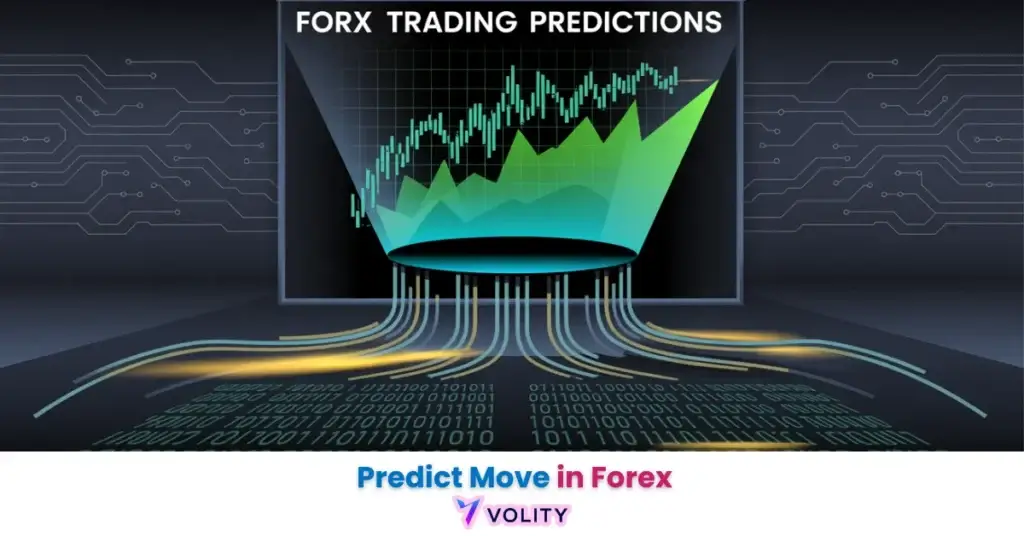
La prédiction du forex est le processus d’identification des régimes de marché à haute probabilité grâce à l’intégration de filtres techniques et fondamentaux. Les desks institutionnels combinent le sentiment et les données alternatives avec la structure des prix pour améliorer les rendements ajustés au risque plutôt que le taux de réussite brut. Le succès repose sur l’identification de la divergence entre ce que le marché a intégré dans les prix et ce qui se déroule réellement.
La prédiction des mouvements du forex fonctionne comme une analyse multifactorielle qui identifie la convergence de la structure des prix, des catalyseurs économiques et du positionnement des traders. Cette approche systématique permet aux participants de dépasser la spéculation en établissant un avantage statistique basé sur des données historiques et en temps réel. Cela reste la compétence fondamentale pour tout investisseur professionnel en devises.
Le paysage des prévisions de 2026 est de plus en plus défini par des réseaux neuronaux basés sur des Transformers et une IA explicable qui fournit la justification derrière chaque signal généré. Par conséquent, les traders doivent désormais maîtriser la synergie entre la géométrie traditionnelle du marché et le suivi automatisé du sentiment pour maintenir un avantage concurrentiel lors des sessions volatiles.
Comprendre Comment prédire les mouvements dans le trading forex est important, mais la vraie progression commence en appliquant ces connaissances. Créez votre compte de trading forex gratuit pour vous entraîner sur un compte démo gratuit et mettre votre stratégie à l’épreuve.
Quelles sont les meilleures façons de prédire les mouvements du forex en 2026 ?
La prédiction professionnelle du forex est un cadre basé sur les probabilités qui nécessite l’alignement de la structure technique, des moteurs fondamentaux et du sentiment du marché. Aucun de ces trois composants ne fournit seul une conviction suffisante pour une opération institutionnelle majeure ; les trois doivent converger.
La structure technique nécessite d’identifier le régime actuel, à savoir si le marché est en tendance, en range ou en phase de retournement. Une tendance haussière présente des sommets et des creux ascendants ; un marché en range rebondit de manière prévisible entre des limites établies ; une configuration de retournement montre des signaux d’épuisement avant un changement de tendance. Les moteurs fondamentaux incluent le rôle des différentiels de taux et des données de croissance-inflation ; les banques centrales gèrent activement la valeur des devises par le biais des attentes en matière de taux d’intérêt, faisant du différentiel de rendement entre deux pays le moteur principal des mouvements forex à long terme. Le sentiment du marché révèle comment les trades encombrés signalent des retournements potentiels via une logique contrarienne ; lorsque les grands fonds se positionnent agressivement dans une direction, les traders particuliers suivent souvent, créant une configuration pour des balayages de liquidité.
Les modèles utilisant le raisonnement par IA explicable (XAI) peuvent améliorer les rendements ajustés au risque en permettant aux traders de filtrer les signaux à faible logique.
La puissance de l’augmentation par l’IA
L’analyse du sentiment pilotée par l’IA fonctionne comme un indicateur avancé en scannant des millions de points de données pour prédire les changements de marché avant qu’ils n’apparaissent sur les graphiques de prix. Cette capacité modifie fondamentalement le processus de prise de décision pour la taille des positions et le timing d’entrée.
Le traitement du langage naturel (NLP) des transcriptions des banques centrales identifie le ton et la terminologie changeants utilisés par les banquiers centraux, révélant les intentions politiques avant les décisions officielles sur les taux. L’analyse des modèles de discours détecte lorsqu’un décideur politique habituellement accommodant utilise un langage faucon, signalant un futur changement de politique. Le sentiment social en tant que déclencheur de volatilité surveille les titres d’actualité, les forums de trading et les médias financiers pour détecter quand une paire de devises particulière est devenue un trade consensuel. Les lectures de sentiment extrême précèdent souvent des retournements en raison de l’effet d’encombrement.
Prêt à faire passer votre trading au niveau supérieur ?
Vous avez les connaissances. Il vous manque la plateforme. Rejoignez des milliers de traders qui choisissent Volity pour ses outils puissants, son exécution rapide et son support dédié.
Créez votre compte en moins de 3 minutesModèles techniques pour la prédiction des prix : des modèles à l’IA
Les modèles techniques avancés identifient des zones d’entrée à haute probabilité en combinant la structure traditionnelle du marché avec la reconnaissance automatique de formes et la prévision basée sur les Transformers. L’évolution des simples moyennes mobiles vers les réseaux neuronaux Transformer représente un changement de paradigme dans la précision des prédictions.
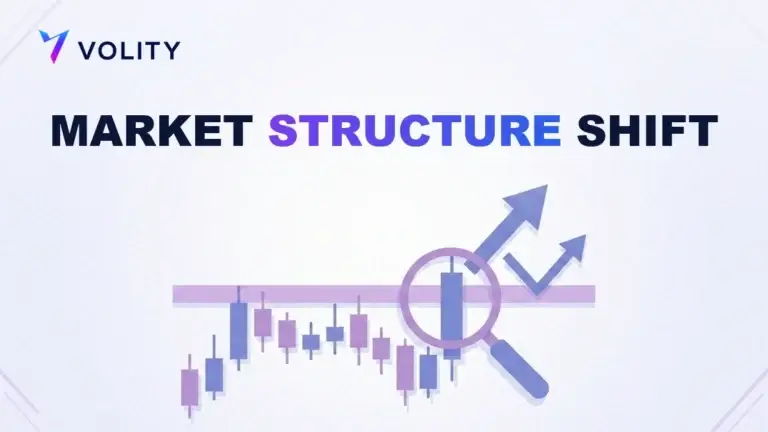
La structure du marché (MS) fournit la base non négociable pour identifier les hauts plus hauts et les bas plus bas dans une tendance haussière. Cette structure est le socle de toute identification de tendance et reste valide sur toutes les unités de temps et tous les marchés. Les modèles de repli expliquent pourquoi attendre des poches de liquidité à des niveaux clés de support/résistance est la norme de détail en 2026 ; les traders professionnels entrent rarement sur une cassure de structure, mais attendent plutôt que le prix revienne au niveau cassé, créant une entrée de retest à moindre risque. Les réseaux neuronaux Transformer capturent les dépendances à long terme dans l’action des prix mieux que les anciens modèles de réseaux neuronaux récurrents (RNN) en traitant les séquences en parallèle plutôt que séquentiellement, leur permettant d’identifier des modèles subtils que l’analyse traditionnelle manque.
Les modèles de séries temporelles basés sur les Transformers sont désormais appliqués aux principales paires forex.
Catalyseurs fondamentaux et dérive des attentes de taux
L’analyse fondamentale identifie les changements de valeur intrinsèque d’une devise basés sur les changements de politique des banques centrales et la tarification des swaps indexés au jour le jour (OIS). Cette approche fournit le contexte macroéconomique qui sépare les mouvements durables des whipsaws de retour à la moyenne.
La trajectoire implicite OIS suit ce que le marché pense être le taux d’intérêt terminal en observant la tarification des contrats de swap indexés au jour le jour. Lorsque la Fed signale une pause potentielle des taux, la courbe OIS s’aplatit ; lorsqu’elle signale un resserrement, la courbe se raidit. Ces changements se produisent avant les annonces de politique officielle, faisant de la courbe OIS un indicateur avancé. Les écarts de croissance-inflation montrent pourquoi les tampons de stagnation reprisent l’Euro en 2026 ; lorsque les attentes de croissance diminuent alors que l’inflation reste collante, les banques centrales font face à des choix impossibles qui dévaluent la devise. La logique de réaction aux nouvelles explique pourquoi l’achat de la rumeur et la vente de la nouvelle dominent toujours les événements à fort impact ; les traders se positionnent avant les nouvelles anticipées, puis liquident lors de la publication réelle.
Exemple de trading réel : La Banque du Canada a maintenu ses taux inchangés, mais la courbe OIS s’est déplacée de manière belliciste en raison d’une poussée surprise de la croissance des salaires nationaux. La CAD a progressé de 120 pips alors que le marché intégrait une probabilité de 80 % d’une hausse des taux lors de la prochaine réunion. Les performances passées ne sont pas indicatives des résultats futurs.
Engagement des traders (COT) et biais de position
L’analyse du positionnement du marché identifie quand un trade est devenu trop encombré, signalant une forte probabilité de squeeze de volatilité ou de retournement de tendance. Le rapport hebdomadaire CFTC Commitment of Traders reste la donnée de positionnement institutionnel la plus fiable disponible.
| Type d’indicateur | Avancé/Retardé | Meilleure application | Source de données |
| Sentiment IA | Avancé | Pivots d’actualités/événements | Flux d’actualités NLP |
| Trajectoire de taux OIS | Avancé | Tendances sur plusieurs jours | Marchés obligataires |
| Biais net COT | Avancé | Sommets/creux majeurs | Hebdomadaire CFTC |
| Structure du marché | Retardé | Timing d’entrée | Graphiques de prix bruts |
| Données alternatives | Avancé | Mouvements devises EM | Satellite/Paiement |
Le FCA ScamSmart fournit les données de positionnement brutes. Lorsque les grands spéculateurs détiennent des positions nettes longues extrêmes à des sommets pluriannuels, la probabilité d’un retournement augmente considérablement en raison des cascades de liquidation forcée.
Données alternatives
L’intégration de données alternatives identifie la force d’une devise en analysant les données d’échappement telles que les flux des réseaux de paiement en temps réel et l’imagerie satellite des ports maritimes. Ces sources de données non conventionnelles deviennent de plus en plus institutionnalisées.
L’activité portuaire prédit les mouvements des devises liées aux matières premières (AUD/NZD) via le suivi satellite des exportations de minerai de fer ; une activité portuaire en hausse signale une demande plus forte en matières premières, renforçant le dollar australien. Les flux de paiement utilisent les données de transactions transfrontalières pour jauger la demande institutionnelle en dollars ; des pics inhabituels dans les volumes de règlement transfrontaliers précèdent souvent des mouvements de devises majeurs. Les signaux ESG montrent comment les changements de politique environnementale deviennent des signaux d’alerte précoce en 2026 pour les devises des marchés émergents ; les pays annonçant des objectifs agressifs de zéro émission nette subissent souvent des sorties de capitaux à mesure que les capitaux se repositionnent loin des secteurs à forte intensité de carbone.
Transformez vos connaissances en profit
Vous avez lu, il est temps d’agir. La meilleure façon d’apprendre, c’est en pratiquant. Ouvrez un compte démo gratuit et sans risque et entraînez votre stratégie avec des fonds virtuels dès aujourd’hui.
Ouvrir un compte démo gratuitMeilleurs logiciels et outils de prédiction pour les traders en 2026
Les logiciels de prédiction modernes identifient des zones à haute probabilité grâce à l’utilisation d’assistants de recherche agentiques et de plateformes de graphiques alimentées par l’IA explicable. La transition des suites d’indicateurs statiques vers des outils dynamiques basés sur le raisonnement marque la norme de 2026.
Les assistants de recherche agentiques représentent une IA qui écrit et backteste du code pour trouver la dérive de stratégie, soit la détérioration graduelle de l’avantage d’un modèle à mesure que les conditions de marché changent. Ces systèmes testent automatiquement des ensembles de paramètres alternatifs et alertent les traders lorsqu’une configuration précédemment rentable commence à échouer. L’intégration TradingView utilise Pine Script pour automatiser les modèles de divergence de 2026 ; les traders peuvent désormais coder leur avantage théorique dans des alertes automatisées qui se déclenchent simultanément sur tous les instruments négociables. Les tableaux de bord de sentiment NLP fournissent des plateformes qui génèrent un score haussier/baissier basé sur l’analyse de plus d’un million de titres d’actualité quotidiens, réduisant le temps nécessaire pour comprendre le consensus du marché.
Points clés
- La prédiction du forex est un processus de filtrage systématique qui combine la structure technique, les moteurs fondamentaux et le positionnement du marché pour établir un avantage statistique.
- Les modèles augmentés par l’IA en 2026 intègrent l’analyse du sentiment et des données alternatives pour identifier les changements de régime de marché avant qu’ils ne se manifestent sur les graphiques de prix.
- L’IA explicable (XAI) fournit le raisonnement technique derrière les signaux, permettant aux traders de vérifier la logique d’une entrée par rapport à leur stratégie documentée.
- La trajectoire des taux OIS sert d’indicateur avancé le plus précis pour les tendances de devises sur plusieurs jours en reflétant les changements dans les attentes de taux d’intérêt des banques centrales.
- L’analyse du biais de position via le rapport COT identifie les trades trop encombrés, servant de signal contrarien puissant pour les retournements de tendance majeurs.
- La gestion des risques reste plus importante que la précision de la prédiction ; même les modèles les plus avancés de 2026 se concentrent sur la préservation du capital plutôt que sur des taux de réussite de 100 %.
Questions fréquemment posées
Cet article contient des références à des modèles de prédiction forex, à la prévision pilotée par l’IA et à Volity, une plateforme de trading de CFD réglementée. Ce contenu est produit à des fins éducatives uniquement et ne constitue pas un conseil financier ou une recommandation d’achat ou de vente d’un instrument financier. Les modèles de prédiction ne peuvent garantir l’exactitude, et l’analyse de données alternatives comporte des risques d’interprétation inhérents. Testez toujours les cadres de prévision sur un compte de démonstration avant d’engager du capital réel. Certains liens dans cet article peuvent être des liens d’affiliation.