Holding gold in a pension such as a SIPP involves complex tax and pension rules that vary based on individual circumstances. This analysis is provided for educational purposes only and does not constitute financial advice, tax guidance, or a recommendation to open or fund any pension. Pension allowances, access ages, and lump-sum rules can change, and accessing a pension early or breaching an allowance can trigger tax charges. Consult a qualified financial adviser and tax professional before making pension decisions. Capital at risk.
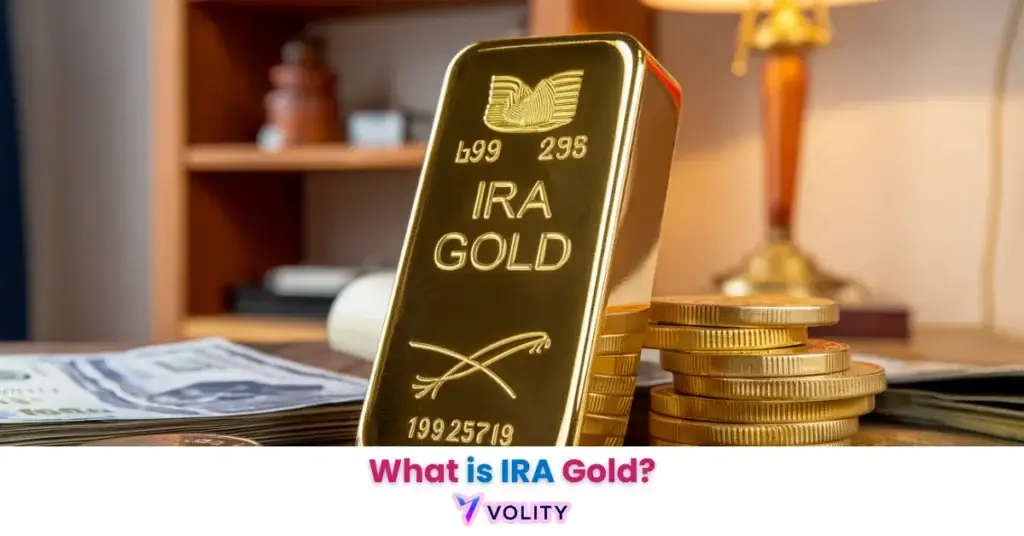
Holding gold in a Self-Invested Personal Pension (SIPP) gives you tax-advantaged exposure to physical investment-grade bullion (99.5% purity or higher). In 2026, pension contributions attract tax relief at your marginal rate up to the £60,000 annual allowance, providing a long-term hedge against inflation. SIPP gold must be held by the scheme’s custodian in an approved vault; personal home storage is not permitted.
Holding gold in a pension acts as a specialised gateway for retirement savers who want tangible assets in their long-term wealth-preservation strategy. A SIPP can hold specific investment-grade bullion that meets HMRC’s fineness standards, ensuring only eligible gold sits inside the tax-advantaged wrapper. It serves as a foundational component for constructing an “all-weather” retirement portfolio in 2026.
The 2026 landscape focuses on the £60,000 annual allowance, carry-forward of unused allowance, and the tax-free treatment of growth within a pension. Savers use these tax-efficient structures to deploy capital and preserve purchasing power during periods of persistent global inflation.
While understanding Gold is important, applying that knowledge is where the real growth happens. Create Your Free Crypto Trading Account to practice with a free demo account and put your strategy to the test.
What is gold in a SIPP?
A Self-Invested Personal Pension (SIPP) is a UK pension that lets you choose and hold a wide range of investments, including physical gold bullion, gold ETCs, and gold mining shares, alongside conventional funds. Physical bullion held in a SIPP must meet HMRC’s minimum fineness of 99.5% and is held by the scheme trustee or an approved custodian, not by you personally. This provides a tax-advantaged wrapper for tangible gold, with contributions attracting tax relief and any growth free of Capital Gains Tax. Specialist SIPP providers and bullion custodians handle the storage and administration; minimum entry levels vary by provider. Because a SIPP can also hold conventional fund units, savers often weigh bullion against a mining-equity option such as the Vanguard gold ETF (VGPMX) before deciding.
| Feature | Gold SIPP | Stocks & Shares ISA | General Investment Account |
| Assets allowed | Physical bullion, gold ETCs, mining shares | Gold ETCs, mining shares (no physical bullion) | Any, including physical gold |
| 2026 allowance | £60,000 pension annual allowance | £20,000 ISA allowance | No limit |
| Tax on the way in | Tax relief at marginal rate | Paid from taxed income | Paid from taxed income |
| Tax on growth | Free of CGT within the pension | Free of CGT within the ISA | Subject to CGT |
| Access | From age 55 (57 from 2028) | Any time | Any time |
| Tax on withdrawal | 25% tax-free, rest taxed as income | Tax-free | CGT on disposal |
What are the 2026 pension allowances for a gold SIPP?
The annual allowance is the maximum you can contribute across all your pensions each tax year while still receiving tax relief; for 2026 it is £60,000, or 100% of your relevant UK earnings if that is lower. Contributions receive tax relief at your marginal rate: basic-rate relief is added automatically, while higher- and additional-rate taxpayers claim the rest through self-assessment. If you have unused allowance from the previous three tax years, carry-forward may let you contribute more. The lifetime allowance was abolished in April 2024 and replaced by lump-sum allowances that cap the tax-free cash you can take.
Tax relief makes pensions one of the most efficient wrappers for long-term gold exposure: a £60,000 gross contribution costs a higher-rate taxpayer far less after relief, and any increase in the value of the bullion is free of Capital Gains Tax while it stays inside the SIPP. Because the allowance can be tapered for very high earners, those affected should confirm their available allowance with HMRC guidance or an adviser (HMRC, 2026).
Understanding pension tax relief and drawdown
Tax treatment inside a pension follows a simple pattern: relief on the way in, tax-free growth, and tax on the way out. Contributions to a gold SIPP receive tax relief at your marginal rate, and the bullion grows free of Capital Gains Tax. From age 55 (rising to 57 in 2028) you can normally take 25% of the pot as a tax-free lump sum, within the lump-sum allowance, with the remainder taxed as income as you draw it. The pension structure suits savers who expect to pay a lower tax rate in retirement than during their working years, and pensions can also help with estate planning because they often sit outside your estate for inheritance tax. Gold vs S&P 500 allocation decisions should factor in whether your pension contribution room is better deployed in equities or precious metals.
Ready to Elevate Your Trading?
You have the information. Now, get the platform. Join thousands of successful traders who use Volity for its powerful tools, fast execution, and dedicated support.
Create Your Account in Under 3 MinutesWhich gold coins and bars qualify for a SIPP in 2026?
SIPP-eligible bullion identifies the physical gold products that meet HMRC’s minimum 99.5% (995 fineness) purity threshold for pensions. Investment-grade bars from LBMA Good Delivery refiners, PAMP Suisse, Valcambi, and Argor-Heraeus, are the most widely accepted. Recognised investment coins such as the Gold Britannia (999.9) and the Canadian Maple Leaf (999.9) also meet the fineness test. Lower-purity coins, such as the South African Krugerrand and older 22-carat coins (91.67% purity), typically do not qualify for a SIPP because they fall short of the 99.5% standard, even where they remain popular for personal ownership.
Gold bars must be produced by accredited refiners to be accepted by pension custodians. All SIPP-held gold must be in “brilliant uncirculated” condition and stored in an approved vault (World Gold Council, 2025). This requirement excludes numismatic coins (collectible coins with premiums above melt value) and any bullion showing evidence of wear. For detailed guidance on bar selection, visit Buying Gold Bars resources that list only accredited refiners and eligible products.
How do pension transfers into a gold SIPP work in 2026?
A pension transfer moves funds from an existing pension, such as a workplace or personal pension, into a SIPP without triggering a tax charge, provided it is a recognised transfer between registered schemes. The transfer is handled directly between the providers, so the money never passes through your hands. Consolidating several old pensions into one SIPP that can hold gold is a common reason to transfer, but you should check for exit penalties, lost guarantees (such as guaranteed annuity rates), and any safeguarded benefits before moving.
Transfers between registered pension schemes are not taxed and do not use up your annual allowance, because they move existing pension savings rather than adding new contributions. A transfer typically takes two to six weeks in 2026 while the providers verify the funds. Defined-benefit (final-salary) transfers above a set value require regulated advice, so seek an FCA-authorised adviser before proceeding.
Worked example: A saver transferred £50,000 from a former workplace pension into a SIPP in March 2026. The funds moved directly between schemes, avoiding any tax charge, and were used to buy investment-grade bullion held in an approved vault, locking in price discovery. Past performance is not indicative of future results. A direct scheme-to-scheme transfer is the standard way to preserve the full value during a pension move.
When can I access a gold SIPP?
UK pensions set a normal minimum pension age rather than forcing withdrawals. You can normally start taking benefits from age 55, rising to 57 from April 2028. Unlike some overseas retirement accounts, a UK SIPP has no requirement to make minimum withdrawals at any age, so the bullion can stay invested and grow tax-free for as long as you wish. When you do draw, you can normally take 25% as a tax-free lump sum (within the lump-sum allowance), with the rest taxed as income.
The table below summarises SIPP access:
| Milestone | Rule | 2026 Status |
| Minimum pension age | Age 55 | Rising to 57 in 2028 |
| Tax-free lump sum | Up to 25% | Within lump-sum allowance |
| Minimum withdrawals | None | Not required in the UK |
| Annual allowance | £60,000 | Carry-forward available |
Sources: HMRC pension tax rules (2025/2026 updates)
Because a SIPP has no forced withdrawals, there is no equivalent of an overseas “required minimum distribution” penalty. Instead, the main planning questions are when to start drawing, how much tax-free cash to take, and how drawdown interacts with your other income. Savers approaching retirement often phase withdrawals to stay within lower income-tax bands and to keep more of their gold invested for longer.
Can I store my SIPP gold at home in 2026?
No. Physical gold held in a SIPP must be held by the scheme trustee or an approved custodian in a secure, insured vault, not at home. HMRC treats a pension’s assets as belonging to the scheme, so taking personal possession of SIPP bullion would be an unauthorised payment and could trigger tax charges. Storing SIPP metal in a home safe, safety-deposit box, or private vault is not permitted.
Approved bullion vaults (typically LBMA Good Delivery facilities) provide audited, insured storage, with annual fees that vary by provider and holding size. Allocated storage keeps your bars physically separated and identified as yours, while unallocated storage represents a claim against a pool. Allocated storage usually carries a small premium but gives clear title; unallocated storage is cheaper but ranks as a creditor claim. SIPP providers arrange storage through their chosen custodians, so you do not manage the vaulting yourself.
Turn Knowledge into Profit
You have done the reading, now it is time to act. The best way to learn is by doing. Open a free, no-risk demo account and practice your strategy with virtual funds today.
Open a Free Demo AccountChoosing your gold SIPP strategy for 2026
Strategic pension planning means matching your contribution level, wrapper (SIPP, ISA, or general account), and asset mix to your retirement timeline and tax position. For younger savers in lower tax bands, letting growth compound tax-free is powerful, while higher earners benefit most from the up-front tax relief on pension contributions. The interaction between income-tax relief and tax-free growth makes tax planning the dominant factor in wrapper choice; even modest, regular contributions compound dramatically over 20-30 years.
The role of gold within a SIPP should align with your broader portfolio: if you already own physical gold outside a pension, the SIPP version adds tax relief and CGT-free growth. If you have no precious-metals allocation, a SIPP allows entry without the complications of personal storage and insurance. Gold Trading for Beginners resources emphasise that pension gold should represent roughly 5-15% of retirement assets, not the majority, this maintains diversification while providing inflation protection and tail-risk hedging for the rest of your equity and bond holdings.
Key Takeaways
- A SIPP is a UK pension that can hold tax-advantaged physical investment-grade gold bullion (99.5% purity or higher).
- The 2026 annual allowance of £60,000 (or 100% of earnings if lower) caps the contributions that receive tax relief across all your pensions.
- Only investment-grade coins (Gold Britannia, Maple Leaf) and bars from accredited LBMA refiners such as PAMP Suisse qualify for a SIPP.
- SIPP gold must be held by the scheme custodian in an approved vault; personal home storage is not permitted.
- UK SIPPs have no forced minimum withdrawals; benefits can normally be taken from age 55 (57 from 2028), with up to 25% as tax-free cash.
- Scheme-to-scheme pension transfers move existing savings into a gold SIPP without a tax charge and without using your annual allowance.
Frequently Asked Questions
This article contains references to gold pensions and Volity, a regulated CFD trading platform. This content is produced for educational purposes only and does not constitute financial advice, tax guidance, or a recommendation to open any pension. Always consult a qualified financial adviser and tax professional regarding pension strategies. Some links in this article may be affiliate links.
Related reading: gold trading guide.