Sector rotation heats up as energy and defensives grab the 2026 spotlight
New York – Wall Street is doing something unfashionable in 2026. It is buying the old economy. Meanwhile, the technology trade that carried portfolios through the AI boom has started to look tired, top heavy and, in places, overowned.
So far this year, the S&P 500 has struggled to build momentum, even as pockets of the market run hard. However, the gains have come from sectors investors spent years ignoring. Energy, industrials and consumer staples have become the market’s shock absorbers, and in recent weeks they have also become its engines.
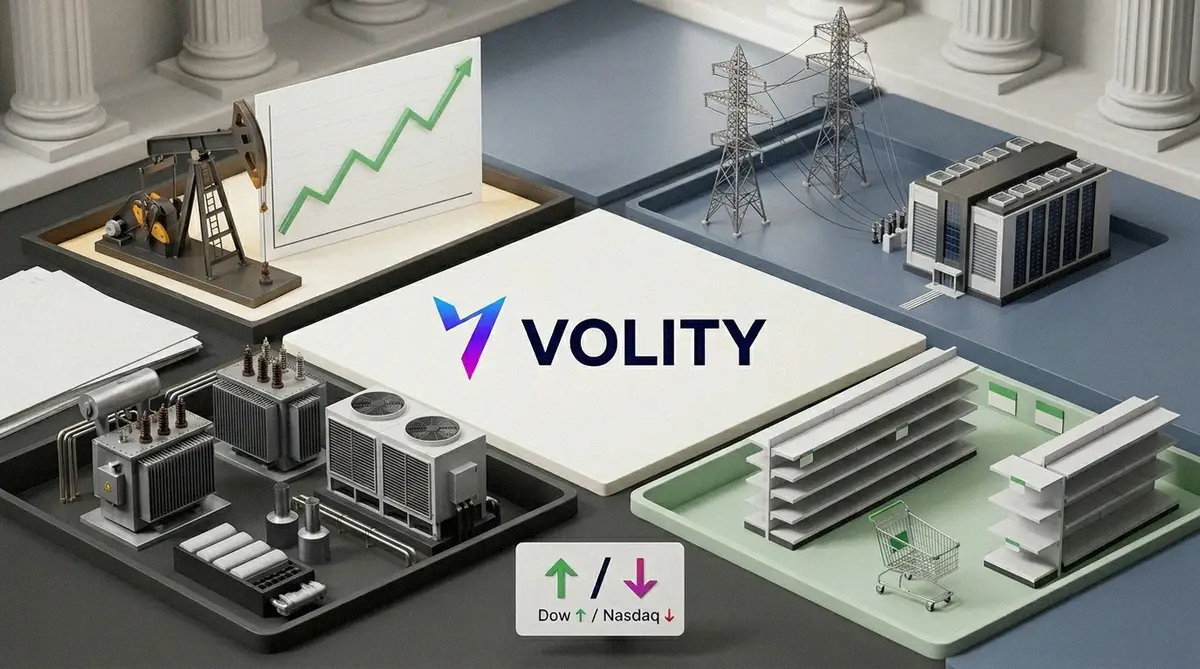
Energy has led the procession. Exxon Mobil (XOM) and Chevron (CVX) are up about 21% since January, as higher crude prices and steady cash returns pull in both momentum traders and income buyers. Therefore, the energy complex has moved from “inflation hedge” to “AI enabler” in the minds of many desks, because data centres need power and power still leans on hydrocarbons.
Industrials have followed. Caterpillar (CAT) and peers tied to heavy equipment, electrical gear and grid upgrades have climbed roughly 12% to 16% year to date. Yet the story is not simply roads and bridges. Instead, the AI buildout is turning into a physical spending cycle: cooling systems, switchgear, transformers, backup generation and factory expansions. Reshoring adds a second tailwind, because companies keep paying to shorten supply chains they no longer trust.
Then there are the quiet winners. Consumer staples like Walmart (WMT) and Costco (COST) are up around 13% to 15% this year, as shoppers stay value conscious even with inflation cooling. In other words, households may feel less squeezed than in 2023, but they still like bargains, and staples offer predictable volumes plus pricing power.
The great escape from mega-tech
For once, the pressure point sits in the biggest names. After a multi year surge led by Nvidia (NVDA), pockets of semiconductors have cooled. As a result, traders have leaned into profit taking, especially where charts looked crowded and expectations looked brittle.
This matters because the market’s weights still skew heavily to mega-cap tech. Therefore, even modest weakness in a few giants can flatten the index, while smaller sectors rack up double digit gains underneath. Breadth has improved, but it has improved in a way that shocks anyone who only watches the Nasdaq.
Ironically, AI still sits at the centre of this rotation. However, the winners now include the companies that supply the electricity, metal, machinery and buildings that make the algorithms usable in the real world. Meanwhile, defensives benefit because investors want earnings visibility while growth slows and rate cuts drift from theory into practice.
How traders are playing it
Many desks have treated energy pullbacks as buyable, especially near short term trend lines that held earlier in the year. Meanwhile, some have expressed the rotation through spreads rather than outright bets, pairing a long Dow proxy (DIA) against a short Nasdaq proxy (QQQ) to capture the market’s changing leadership.
Semiconductors remain the swing factor. However, plenty of traders now want proof of support before calling the next leg higher. Some have turned to hedges and defined risk structures rather than adding fresh long exposure after the run.
Outside the mega-caps, stock pickers have enjoyed a better tape, although the penalty for chasing weak balance sheets remains severe. Therefore, traders have tended to reward companies with clear contracts, pricing power, or tangible demand tied to infrastructure.
Risks worth respecting
Rotation does not remove risk. Energy can overheat if crude spikes and then rolls over. Meanwhile, a surprise jump in inflation could revive rate volatility and hit cyclicals. A sharper growth scare would also test industrials, even if the long term spending story stays intact.
Valuations look more “fair” than “cheap” across many of these winners. Therefore, timing matters more than slogans, and stops matter more than conviction speeches.
By the numbers
- Energy: XOM and CVX up about 21% since January.
- Industrials: leaders up roughly 12% to 16% year to date.
- Consumer staples: WMT and COST up around 13% to 15% in 2026.
- Tech: mixed to flat in parts, as profit taking hits crowded trades.
Key takeaways
- Leadership has shifted from “high growth stories” to “cash flow and physical bottlenecks”.
- Energy is trading like an AI infrastructure input, not just a macro hedge.
- Industrials are behaving like the picks and shovels of the data centre boom.
- Staples are acting as both defence and offence while consumers stay price sensitive.
- Index level calm can hide violent cross currents underneath, so watch breadth and weights.