Crypto Market Turns Cautious as Bitcoin ETFs Bleed and Altcoins Fight for Air
The crypto market starts the week with an awkward split screen. Bitcoin is under pressure from ETF outflows and rising exchange deposits, while a few altcoins are still drawing fast money.
That makes this less a simple sell-off than a test of sponsorship. Institutions are trimming risk, regulators are still writing rules, and speculators are hunting for names that can move without Bitcoin’s help.
For now, the tape feels cautious rather than broken. However, the burden of proof has shifted back to buyers.
Market Backdrop: Fear Returns, but the Tape Still Has a Pulse
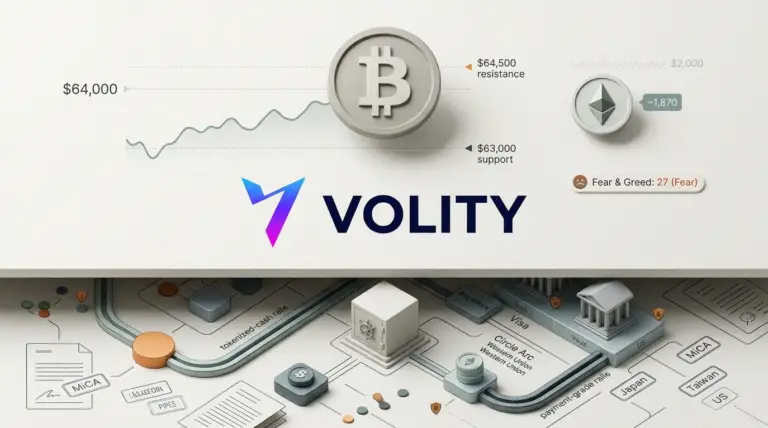
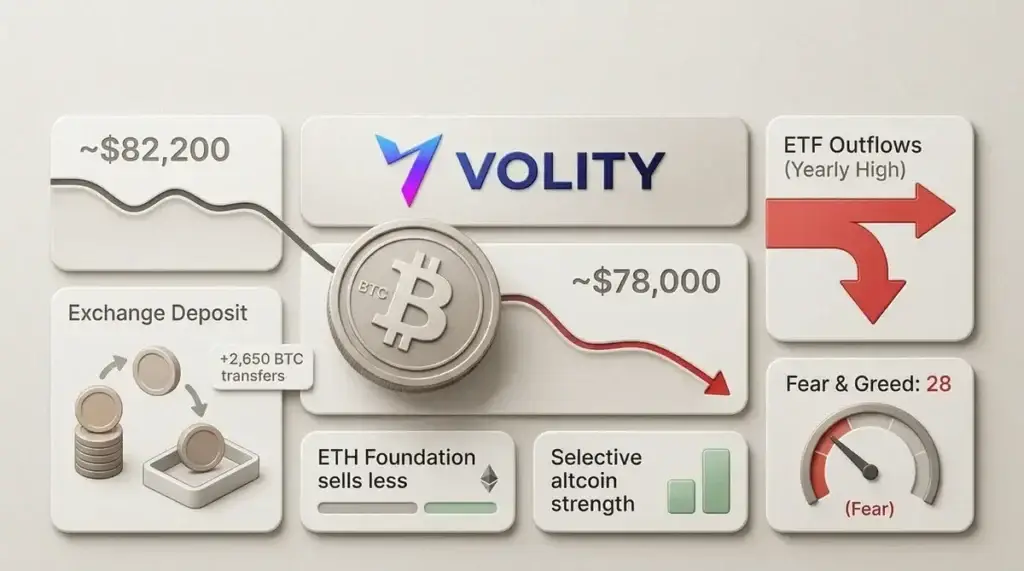
Sentiment remains fragile after a poor run for spot ETF flows. The Crypto Fear & Greed Index sat at 28 on May 22, placing the market firmly in “Fear”.
That reading followed redemptions from both bitcoin and ethereum products. Therefore, traders are watching flows as closely as price levels.
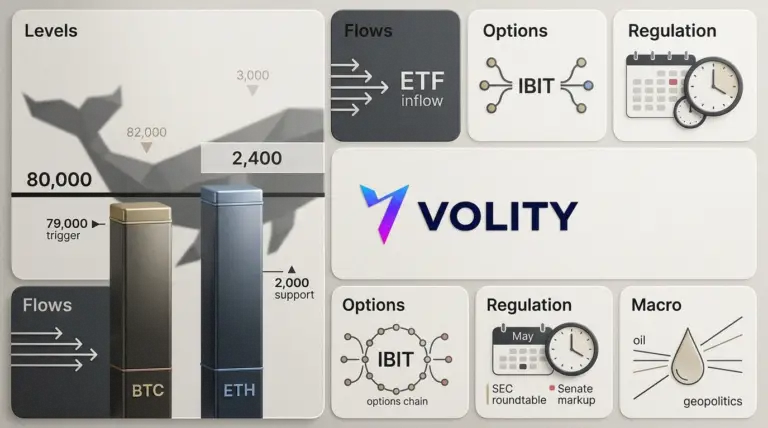
Bitcoin has also struggled to hold momentum. BTC recently tested the low-$80,000 area, then slipped back toward the high-$70,000 range.
Earlier this month, Bitcoin briefly pushed above $82,200. However, it later eased toward $78,000, exposing thin conviction behind the rally.
Meanwhile, the broader institutional story has not disappeared. JPMorgan still treats crypto as a constructive 2026 trade, led more by institutions than retail buyers.
Still, that view offers little comfort for traders facing red ETF screens this week. Long-term optimism rarely saves a crowded short-term position.
Bitcoin: Flows, Whales and Exchange Deposits Turn Heavier
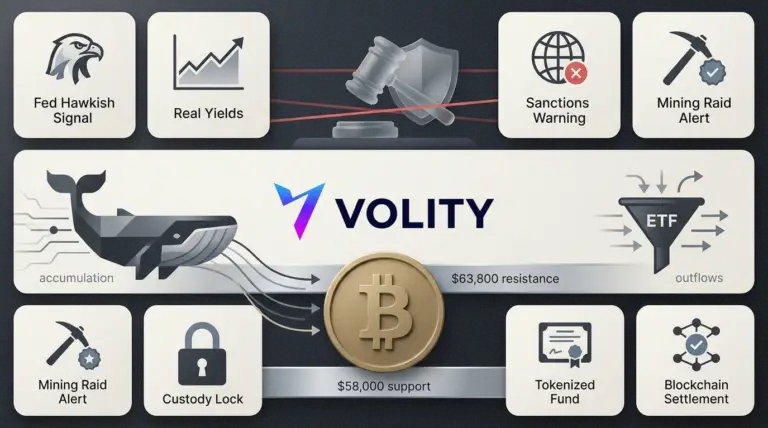
The most important near-term signal is the flow picture. BlackRock-linked bitcoin selling reached about $1 billion, while ETF outflows hit a yearly high.
That matters because the ETF wrapper has become Bitcoin’s main bridge to traditional portfolios. When money leaves, liquidity loses its cleanest buyer.
At the same time, Binance inflows reportedly jumped threefold in 10 days. Traders often treat that as a warning sign.
Coins moving onto exchanges are not always sold. However, they are easier to sell, pledge, hedge or rotate into other assets.
Large wallets are adding to the unease. One dormant bitcoin whale moved 2,650 BTC to major trading firms.
Separately, Trump Media moved the same amount of BTC to Crypto.com. Even if operational, transfers of that size sharpen the market’s supply radar.
In calmer conditions, traders might ignore those moves. In a fearful tape, however, size itself becomes a headline.
Policy still offers a counterweight. Progress around the CLARITY Act has kept longer-term regulation bulls interested.
Yet the immediate message looks defensive. Until ETF flows stabilise, Bitcoin’s rallies may meet sellers near recent resistance.
Ethereum: Leaner Spending Meets Louder Scrutiny
Ethereum is carrying two narratives at once. One supports ETH. The other keeps challenging its market leadership.
Vitalik Buterin said the Ethereum Foundation will sell less ETH under a leaner operating model. That could reduce regular sell pressure from the ecosystem’s core institution.
For ETH holders, that is not a small detail. Foundation sales have often become a psychological overhang during weak markets.
However, reduced selling does not create automatic demand. Ethereum still needs users, fees and investor belief to improve together.
The Foundation is also reshaping its Protocol team. New co-leads are taking over work tied to zkVM, zkEVM and security.
Meanwhile, the group is preparing future upgrades, including Glamsterdam and Hegota. Those names will not move every trading desk today.
Still, execution matters when investors debate whether ETH can regain relative strength. Governance stories become price stories when confidence is thin.
Criticism has also grown louder. Samson Mow and other bitcoin-aligned voices have questioned Ethereum’s investment case, adding noise around ETH’s underperformance.
That criticism is hardly new. However, it lands differently when bitcoin ETFs are bleeding and altcoin liquidity looks uneven.
Altcoins: Selective Strength, Not a Full Altseason
Altcoins are not moving as one market. Instead, they are trading like a collection of crowded side bets.
Hyperliquid has been one of the brighter spots. The token recently posted a 40% weekly rally, including a gain near 9.55% during one softer bitcoin session.
NEAR also drew attention after a roughly 50% weekly advance. Zcash rallied too, helped by renewed demand for privacy-related tokens.
Those moves show speculation has not left crypto. However, it has become selective, impatient and quick to move on.
At the same time, the warnings remain loud. A veteran bitcoin figure argued that many altcoins and memecoins could go to zero.
That is the harsh version of a familiar truth. Liquidity can vanish faster in smaller tokens than it appears on the way up.
Solana and XRP are showing that tension. Solana faces concern around a possible break below $80.
Meanwhile, XRP has struggled around $1.35, while Binance liquidity has fallen toward levels last seen in 2020.
Therefore, the altcoin question is narrow. Traders are not asking whether everything will rally. They are asking which pockets can survive Bitcoin weakness.
Regulation: Tokenised Stocks and Stablecoins Stay Unsettled
Away from price charts, the structural fights remain important. The ESMA investor protection delayed a tokenised stock exemption after exchanges raised ownership concerns.
That delay shows tokenised securities are still contested territory. They are not yet a settled upgrade to market plumbing.
Stablecoins have also moved closer to the centre of the Washington fight. Banks are pushing back against yield-bearing structures tied to crypto payment rails.
Meanwhile, the CLARITY Act framework has become a focal point for investors seeking cleaner rules. Clearer law could reduce the legal discount on digital assets.
However, regulation rarely moves at trading speed. That gap leaves tokens exposed to headlines, delays and sudden repricing.
Prediction markets are joining the same policy scrum. Kalshi backed a prediction-markets lobby group with a former Trump official involved.
Earlier setbacks for Kalshi and Polymarket in state gambling appeals also matter. These venues now sit near crypto, gaming and election-law arguments.
Security: Exploits and Scams Add to the Risk Premium
Security remains the industry’s recurring tax. Blockaid flagged a $3 million SquidRouterModule exploit affecting 86 Safes.
Separately, TrapDoor malware stole wallet data through fake developer tools. Fake Xaman airdrops also targeted XRP users.
France has also emerged as a hotspot for physical “wrench attacks”. In those cases, online wealth attracts offline coercion.
That mix is uncomfortable but familiar. When markets weaken, scammers tend to grow louder and users grow less careful.
For active desks, operational hygiene now belongs beside charts and funding rates. A bad wallet click can outperform any bad trade.
By the Numbers
- 28 – Crypto Fear & Greed Index reading on May 22.
- $82,200 – recent bitcoin intramonth push before fading.
- $78,000 – area bitcoin revisited as momentum weakened.
- 2,650 BTC – size of two closely watched large bitcoin transfers.
- 40% – recent weekly rally in Hyperliquid.
Related coverage on Volity
- Bitcoin Price Jitters as ETF Outflows Hit Crypto
- Zoom (ZM) Earnings Gap in Focus
- Bitcoin Today: Germany Crypto Tax Break, Oil Trading
- Stock Watchlist: Nvidia (NVDA) AI vs Weak Cyclicals
- Crypto Daily: Ripple vs XRP, Fed Banking, FBI Sting
Key Takeaways
- Bitcoin: ETF outflows remain the cleanest short-term risk signal for BTC.
- Ethereum: lower Foundation selling helps, but demand must still improve.
- Altcoins: strength is selective, so broad beta trades look riskier.
- Regulation: CLARITY Act headlines can move sentiment, but timing remains uncertain.
- Security: thin liquidity and exploit headlines raise the cost of careless trading.
The market is not in panic, but it is no longer comfortable. Bitcoin remains the anchor, Ethereum is trying to steady its case, and altcoins are trading on attention as much as fundamentals.