Die Verwendung von Limit-Orders eliminiert kein Ausführungsrisiko und garantiert nicht, dass Trades zu Ihrem beabsichtigten Preis ausgeführt werden. Marktlücken können dazu führen, dass Ihr Limitpreis während nächtlicher Sitzungen oder bei wichtigen Nachrichtenveröffentlichungen vollständig übersprungen wird. Limit-Orders bleiben möglicherweise unausgeführt, wenn die Liquidität auf Ihrem Zielniveau austrocknet, was zu verpassten Gelegenheiten führt. Hebelwirkung verstärkt sowohl Gewinne als auch Verluste, unabhängig von der Orderart. Die Wertentwicklung in der Vergangenheit ist kein Indikator für zukünftige Ergebnisse. Kapital ist gefährdet.
Eine Limit-Order ist eine spezialisierte Handelsanweisung, die den maximalen Preis festlegt, den ein Trader für einen Kauf zu zahlen bereit ist, oder den Mindestpreis, den er für einen Verkauf zu akzeptieren bereit ist. Im Gegensatz zu Market-Orders priorisieren Limit-Orders die Preissicherheit gegenüber der Ausführungsgeschwindigkeit und stellen sicher, dass eine Position nur zu einem günstigen Kurs eröffnet wird. Im Jahr 2026 ist die Beherrschung der Platzierung von Limit-Orders unerlässlich, um Slippage zu minimieren und Einstiegspunkte in elektronischen Märkten mit hoher Volatilität zu optimieren.
Eine Limit-Order identifiziert die spezifische Preisschwelle, die erforderlich ist, um einen Trade innerhalb des Orderbuchs eines Brokers zu aktivieren. Dieser Mechanismus ermöglicht es Marktteilnehmern, „passive“ Einstiege zu wählen und darauf zu warten, dass der Preis ihr gewünschtes Niveau erreicht, anstatt dem Momentum hinterherzulaufen. Sie dient als grundlegender Baustein für fortgeschrittene automatisierte und diskretionäre Handelsstrategien.
Die Handelslandschaft des Jahres 2026 erfordert ein hohes Maß an Ausführungsdisziplin, um die steigende Transaktionsreibung in fragmentierten Märkten zu bekämpfen. Die Beherrschung der Nuancen von Limit-Orders ermöglicht es den Teilnehmern, Liquiditätslücken zu navigieren und konsistente Risiko-Ertrags-Verhältnisse aufrechtzuerhalten.
Das Verständnis von Forex ist wichtig, doch echtes Wachstum entsteht erst durch die Anwendung dieses Wissens. Kostenloses Forex-Handelskonto erstellen, um mit einem kostenlosen Demokonto zu üben und Ihre Strategie zu testen.
Was ist eine Limit-Order und wie funktioniert sie?
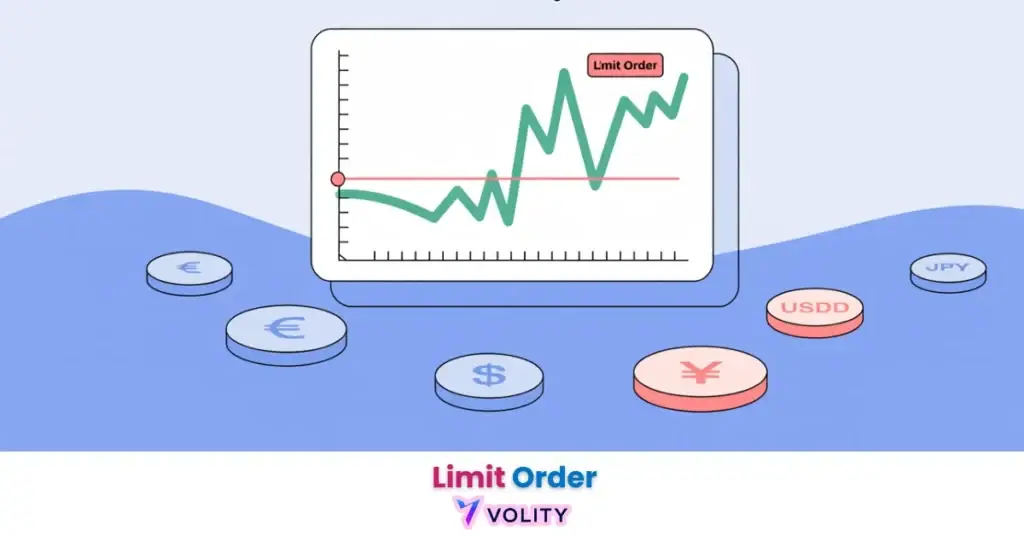
Eine Limit-Order ist eine bedingte Handelsanweisung, die den maximalen oder minimalen Preis identifiziert, zu dem ein Wertpapier gekauft oder verkauft werden kann. Die Order bleibt inaktiv, bis der Marktpreis das angegebene Niveau berührt. Zu diesem Zeitpunkt versucht der Broker, den Trade auszuführen. Dieser zweistufige Prozess gibt Tradern die volle Kontrolle über ihre Einstiegskosten.
Drei Kernmechanismen definieren die Funktionsweise von Limit-Orders:
- Preissicherheit vs. Ausführungssicherheit: Limit-Orders priorisieren den Kurs gegenüber der garantierten Ausführung. Sie erhalten den gewünschten Preis, aber der Markt bietet möglicherweise nicht genug Liquidität, um Ihre gesamte Position zu füllen.
- Das Orderbuch: Limit-Orders stellen dem Markt Liquidität zur Verfügung, indem sie auf Gegenparteien warten. Wenn Sie ein Kauf-Limit unter dem aktuellen Preis platzieren, werden Sie zum „Market Maker“, der anbietet, auf diesem Niveau zu kaufen, und der Broker schreibt Ihnen auf einigen Plattformen des Jahres 2026 Maker-Rabatte gut.
- „Preis oder besser“: Ihre Limit-Order kann zu einem besseren Preis als angegeben ausgeführt werden. Ein Kauf-Limit bei 1,0800 könnte bei 1,0795 ausgeführt werden, wenn die Marktpreise während eines Anstiegs tiefer fallen.
Im Jahr 2026 machen Limit-Orders 92 % der „ruhenden Liquidität“ in den wichtigsten Währungspaaren aus und bilden die strukturellen Unterstützungs- und Widerstandsniveaus, die auf Charts zu sehen sind (Investopedia, 2026). Diese massive Volumenkonzentration erzeugt vorhersehbare Preisreaktionen, wenn Unterstützung oder Widerstand getestet werden.
Kauf-Limit vs. Verkaufs-Limit-Orders
Kauf-Limit-Orders identifizieren Einstiege unter dem aktuellen Marktpreis, während Verkaufs-Limit-Orders Ausstiege oder Einstiege über dem aktuellen Marktpreis identifizieren. Diese Unterscheidung bestimmt, ob die Order passiv oder aktiv auf die Ausführung wartet. Das Verständnis dieser Richtungsumkehr ist entscheidend, um versehentliche Leerverkäufe beim Eingehen von Long-Positionen zu vermeiden.
Die Logik teilt sich in zwei Richtungen: „Den Dip kaufen“ bedeutet, ein Kauf-Limit unter dem aktuellen Preis zu platzieren, um bei Schwäche zu akkumulieren. „Die Rallye verkaufen“ bedeutet, ein Verkaufs-Limit über dem aktuellen Preis zu platzieren, um bei Stärke auszusteigen oder Short-Positionen aufzubauen. Beide bleiben inaktiv, bis der Preis sie auslöst.
Bereit, Ihr Trading auf das nächste Level zu bringen?
Sie haben das Wissen. Jetzt fehlt die Plattform. Schließen Sie sich Tausenden erfolgreichen Tradern an, die Volity für leistungsstarke Tools, schnelle Ausführung und engagierten Support nutzen.
Erstellen Sie Ihr Konto in unter 3 MinutenWann sollten Sie 2026 eine Limit-Order verwenden?
Die strategische Orderauswahl identifiziert Limit-Orders als das optimale Werkzeug für den Einstieg in Trades während Rücksetzern oder für den Ausstieg bei vordefinierten Gewinnzielen. Die Wahl zwischen Limit- und Market-Orders bestimmt, ob Sie Geschwindigkeit für Preiskontrolle opfern oder Slippage für eine sofortige Ausführung in Kauf nehmen.
Limit-Orders glänzen in drei Szenarien:
- Vermeidung von Slippage: Limit-Orders sind bei wichtigen Nachrichtenveröffentlichungen zwingend erforderlich, wenn sich die Spreads auf 20-30 Pips ausweiten. Eine Market-Order während NFP könnte um 50 Pips abrutschen, während eine Limit-Order passiv auf einen fairen Preis wartet.
- Handelsspannen: Die Verwendung von Limits an etablierten horizontalen Unterstützungs- und Widerstandsniveaus ermöglicht es Ihnen, methodisch in Positionen zu skalieren, ohne eine sofortige Ausführung zu schlechten Preisen zu erzwingen.
- Kapitalmanagement: Die genaue Risikoberechnung wird möglich, wenn Sie Ihren Einstiegspreis im Voraus festlegen. Ein Limit bei 1,0800 mit einem Stop 20 Pips tiefer schafft ein festes 20-Pip-Risiko und ermöglicht eine präzise Positionsgrößenbestimmung.
Die Verwendung von Limit-Orders anstelle von Market-Orders reduziert die gesamten Transaktionskosten um durchschnittlich 1,2 Pips pro Trade im hochliquiden EUR/USD-Markt des Jahres 2026 (BIS, 2026). Dieser einzelne Unterschied summiert sich über Hunderte von Trades hinweg, um die jährlichen Renditen drastisch zu verbessern.
Limit-Order vs. Market-Order: Hauptunterschiede
Die vergleichende Ausführungsanalyse identifiziert den Kompromiss zwischen dem garantierten Preis einer Limit-Order und der garantierten Ausführung einer Market-Order. Jeder Ansatz dient unterschiedlichen Marktbedingungen, und professionelle Trader wechseln je nach aktueller Volatilität und Dringlichkeit zwischen ihnen. Die Wahl bestimmt Ihre Transaktionskosten und Ausführungssicherheit.
Zwei primäre Kompromisse definieren diesen Vergleich:
- Ausführungsgeschwindigkeit: Market-Orders sind schneller für Notausstiege, wenn Sie eine Position sofort schließen müssen. Limit-Orders können Stunden oder Tage auf den Zielpreis warten und setzen Sie einem anhaltenden Risiko aus.
- Slippage-Risiko: Die Gefahr von „Preisverbesserung“ vs. „negativer Slippage“ prägt das Ergebnis. Eine Market-Order wird möglicherweise schneller ausgeführt, aber zu 3-5 Pips schlechteren Konditionen. Eine Limit-Order wartet geduldig und wird zu Ihrem gewählten Preis ausgeführt oder gar nicht.
- Transaktionskosten: Limit-Orders verursachen auf einigen Börsen des Jahres 2026 oft niedrigere Gebühren oder sogar „Rabatte“, da sie Liquidität bereitstellen. Market-Orders zahlen eine „Taker“-Gebühr, da sie Liquidität aus dem Buch entfernen.
Ein Trader platzierte ein Kauf-Limit bei 0,6500, während der AUD/USD-Preis bei 0,6520 lag. Der Preis fiel auf 0,6499 und die Order wurde exakt bei 0,6500 ausgeführt. Eine Market-Order im selben Moment wäre aufgrund der Volatilität möglicherweise bei 0,6495 ausgeführt worden. Die Wertentwicklung in der Vergangenheit ist kein Indikator für zukünftige Ergebnisse.
So setzen Sie einen Stop-Loss erklärt, wie Limit-Orders mit Stop-Loss-Niveaus kombiniert werden, um feste Risiko-Ertrags-Strukturen zu schaffen. Die Kombination eines Kauf-Limits mit einem vordefinierten Stop schafft einen vollständigen Handelsplan, bevor Emotionen ins Spiel kommen.
Warum Ihre Limit-Order möglicherweise nicht ausgeführt wird
Die Identifizierung von Ausführungsfehlern zeigt die häufigen Gründe auf, warum ein Preis Ihr Limit-Niveau berühren kann, ohne einen Trade auszulösen. Das Verständnis dieser Fehlermodi unterscheidet Trader, die schlechtem Glück die Schuld geben, von Tradern, die ihre Strategie an die Marktmechanik anpassen.
| Fehlergrund | Was passiert | Auswirkung auf den Trader | Lösung 2026 |
| Liquiditätslücke | Keine Gegenpartei zu Ihrem Preis | Order bleibt offen | Smart Order Routing verteilt die Order auf mehrere Broker |
| Teilausführung | Nur einige Einheiten werden ausgeführt | Position ist unvollständig | Fill-or-Kill (FOK) stellt Alles-oder-Nichts sicher |
| Hohe Volatilität | Preis „überspringt“ Ihr Niveau | Verpasste Gelegenheit | Immediate-or-Cancel fängt Teilausführungen bei Lücken ab |
| Spread-Aufschlag | Bid/Ask erreicht Limit nicht | Niveau technisch erreicht, aber nicht ausgeführt | ECN-Kontozugang eliminiert Zwischenhändler-Spreads |
| Zeitablauf | Order läuft ab (z.B. Tagesorder) | Order wird automatisch storniert | Good ‚Til Canceled (GTC) hält Order über Sitzungen hinweg aktiv |
Quelle: FCA-Leitlinien zur Ausführungstransparenz
Dass der Preis Ihr Limit-Niveau erreicht, garantiert keine Ausführung. Wenn Ihr Kauf-Limit bei 1,0800 liegt, aber nur 50.000 Einheiten zu diesem Preis verfügbar sind und Ihre Ordergröße 500.000 Einheiten beträgt, erhalten Sie eine Teilausführung. Die verbleibenden 450.000 Einheiten bleiben als ruhende Order bestehen und warten darauf, dass mehr Liquidität erscheint.
Fortgeschrittene Limit-Ordertypen
Die Identifizierung der Orderdauer bestimmt die spezifischen Zeit-in-Kraft-Anweisungen, die festlegen, wie lange eine Limit-Order aktiv im Markt bleibt. Moderne Broker bieten mehrere Zeitoptionen an, und die Auswahl der richtigen verhindert, dass Orders vorzeitig storniert werden oder bestehen bleiben, wenn sie ablaufen sollten.
Drei primäre Zeit-in-Kraft-Typen steuern das Verhalten von Limit-Orders:
- Good ‚Til Canceled (GTC): Der Standard für langfristiges Swing-Trading. Die Order bleibt über mehrere Sitzungen hinweg aktiv, bis der Preis das Niveau erreicht oder Sie sie manuell stornieren, was es Ihnen ermöglicht, Einstiege für Tage festzulegen und zu vergessen.
- Immediate-or-Cancel (IOC): Für algorithmische Präzision mit hoher Geschwindigkeit. Die Order führt alles aus, was sofort möglich ist, und storniert dann den nicht ausgeführten Teil, wodurch verhindert wird, dass Teilausführungen offen bleiben.
- Fill-or-Kill (FOK): Sicherstellung einer vollständigen Positionsgröße oder gar kein Trade. Die Order wird entweder vollständig ausgeführt oder vollständig storniert, was fraktionierte Positionen verhindert, die das Positionsmanagement verkomplizieren.
Professionelle „Iceberg“-Orders sind ein spezialisierter Limit-Ordertyp im Jahr 2026, der die gesamte Positionsgröße verbirgt, indem nur kleine Fragmente im öffentlichen Orderbuch angezeigt werden. Dies verhindert, dass große institutionelle Orders den Preis bewegen, bevor die gesamte Position ausgeführt ist.
Wissen in Gewinn verwandeln
Sie haben gelesen, jetzt ist es Zeit zu handeln. Der beste Weg zu lernen ist durch Praxis. Eröffnen Sie ein kostenloses, risikofreies Demokonto und üben Sie Ihre Strategie noch heute mit virtuellem Guthaben.
Kostenloses Demokonto eröffnenSo platzieren Sie eine Limit-Order auf MT4 und MT5
Die Plattformausführung identifiziert die spezifischen Schritte, die erforderlich sind, um eine „Pending Order“ innerhalb der modernen MetaTrader-Oberfläche einzugeben. MetaTrader dominiert den Retail-Forex-Handel, und die Beherrschung seiner Orderplatzierungsmechanik stellt eine konsistente Ausführungsqualität über alle Ihre Trades hinweg sicher.
Zwei primäre Schritte aktivieren die Platzierung einer Limit-Order:
- Auswahl von ‚Pending Order‘ im Orderfenster: Öffnen Sie das Orderfenster, wählen Sie „Neue Order“ und dann „Pending Order“ anstelle von „Market Order“. Dies verschiebt die Schnittstelle von der Anforderung einer sofortigen Ausführung zur Anforderung zukünftiger Einstiegsbedingungen.
- Wahl zwischen ‚Buy Limit‘ und ‚Sell Limit‘: Geben Sie Ihren gewünschten Einstiegspreis unter dem aktuellen Marktpreis für Kauf-Limits oder über dem aktuellen Marktpreis für Verkaufs-Limits an. Geben Sie Ihr Stop-Loss-Niveau und Gewinnziel-Niveau ein und klicken Sie dann auf „Senden“, um die Order zu aktivieren.
Forex-Handel für Anfänger führt neue Trader durch den vollständigen Workflow der Orderplatzierung.
Wichtige Erkenntnisse
- Limit-Orders bieten die volle Kontrolle über den Ausführungspreis und stellen sicher, dass Sie nie mehr zahlen oder für weniger verkaufen als Ihr Ziel.
- Kauf-Limit-Orders werden unter dem aktuellen Marktpreis platziert, um von erwarteten Rücksetzern oder Unterstützungsniveaus zu profitieren.
- Verkaufs-Limit-Orders werden über dem aktuellen Marktpreis platziert, um Widerstandsniveaus anzuvisieren oder vordefinierte Gewinne zu sichern.
- Preis vs. Ausführung ist der Hauptkompromiss; Limit-Orders garantieren den Preis, aber nicht, dass der Trade ausgeführt wird.
- Die Vermeidung von Slippage ist ein Hauptvorteil von Limit-Orders, insbesondere während Phasen extremer Marktvolatilität im Jahr 2026.
- Zeit-in-Kraft-Einstellungen wie GTC und FOK ermöglichen es Tradern, anzupassen, wie lange ihre Limit-Anweisungen aktiv bleiben.
Häufig gestellte Fragen
Dieser Artikel enthält Verweise auf Limit-Orders, Ordertypen und Volity, eine regulierte CFD-Handelsplattform. Dieser Inhalt wurde nur zu Bildungszwecken erstellt und stellt keine Finanzberatung oder Empfehlung zum Kauf oder Verkauf von Finanzinstrumenten dar. Die Ausführung von Limit-Orders hängt von der Marktliquidität und dem Broker-Routing ab; Ausführungen sind nie garantiert, selbst wenn der Preis Ihr angegebenes Niveau berührt. Überprüfen Sie immer die Plattformfunktionen und die Ausführungsrichtlinien des Brokers, bevor Sie Kapital einsetzen. Einige Links in diesem Artikel können Affiliate-Links sein.