Réponse rapide
Le day trading d’indices consiste à trader des indices boursiers comme le S&P 500, le DAX ou l’US30 dans la même journée, généralement en CFD, en profitant des mouvements intrajournaliers sans garder de position la nuit. Les indices sont liquides et moins exposés aux chocs d’une seule action, ce qui les rend populaires auprès des day traders. Ils bougent quand même brusquement sur les données et les nouvelles, donc les stops et le dimensionnement sont essentiels.
Investir dans des produits financiers comporte des risques. Les pertes peuvent dépasser la valeur de votre investissement initial.
Dans les marchés économiques actuels, les catalogues de marketing quotidien ont été l’un des systèmes les plus connus.
Les marketeurs se concentrent sur la représentation de l’ensemble de la prémisse du marché plutôt que de traiter de l’investissement personnel, et ils essaient de tirer profit des transactions de valeur temporaires au cours d’une session de marketing.
Certains sont hautement liquides, par exemple, le S&P 500, le NASDAQ-100, le Dow Jones Industrial Average et le DAX européen.
Ces signaux présentent d’énormes équipes d’industries et démontrent l’instruction moyenne d’un grand bazar économique.
Pour plusieurs marketeurs, le catalogue offre des facilités telles qu’une liquidité profonde, une forte fluctuation du marché et minimise le désastre dans le secteur centré sur l’industrie.
En raison de l’identité de référence, diverses usines sont suivies par un seul investissement, et elles se déplacent souvent vers des structures plus visibles, ce qui les rend lucratives pour les techniques de la même journée.
Dans ce cadre étendu, vous percevrez ce à quoi le catalogue de marketing quotidien fait exactement référence, diverses approches pour traiter ces indicateurs pour un marketing similaire, des techniques confirmées utilisées par les marketeurs, et des stratégies d’atténuation des désastres, afin que les agents et les courtiers puissent les appliquer dans le marketing de signalisation.
Pour créer une méthode de marketing plus formée et contrôlée, en percevant comment les indicateurs sont traités au sein du marketing, sans tenir compte de votre position.
Qu’est-ce que le day trading d’un indice ?
Le programme de day trading fait référence à l’achat et à la vente d’outils qui surveillent une liste d’investissement au cours du marketing quotidien.
L’objectif est de capturer les minuscules mouvements de valeur qui se produisent au cours de la période de marketing.
En dehors de la donation permanente, les day traders arrêtent généralement toutes les situations avant la clôture du marché pour éliminer tous les désastres menaçants.
Comprendre les indices boursiers
L’action et la présentation d’un couple de traders sont calculées par une liste boursière. Elle constitue un indicateur qui contemple la solidité et l’instruction d’un marché ou d’un secteur unique.
Par exemple, le S&P 500 suit 500 des plus grandes industries américaines, le NASDAQ-100 se concentre largement sur les entreprises informatiques, et le Dow Jones Industrial Average comprend 30 grandes organisations américaines.
La valeur du symptôme est volatile au cours de la journée et repose sur les transactions des actions.
Des problèmes majeurs peuvent inciter ces activités, tels que les vues économiques qui illustrent la transaction de la valeur des intérêts, les informations sur l’épargne et les dépenses des entreprises, et la volatilité du marché mondial.
Étant donné que les indices suivent l’opération plus large du marché, ils sont généralement calculés de manière plus imprévisible, comparativement moins que les investissements personnels.
Pourquoi les day traders préfèrent les indices
Plusieurs marketeurs de la même journée choisissent un catalogue plutôt qu’un simple investissement pour diverses raisons.
Haute liquidité
De nombreux indices ont un prix de marketing élevé, ce qui facilite l’accès et la sortie rapide des conditions.
Risque spécifique à l’entreprise plus faible
Des informations soudaines sur l’industrie peuvent entraîner des changements de valeur intenses, tandis que le marketing d’un investissement sous forme d’indices répartit la menace entre plusieurs usines.
Forte volatilité intrajournalière
Les indices fonctionnent souvent de manière importante au sein de nombreux systèmes de marketing, créant des facilités pour des gains temporaires.
Tendances de marché claires
Les fluctuations financières plus larges sont suivies par les indices en temps réel, ce qui facilite l’interprétation à l’aide de signaux électroniques et d’autres logiciels. Alors, prenez-les au sérieux.
Façons de trader les indices
Il est assez difficile d’acheter ou de vendre un indice directement. Les marketeurs utilisent des outils économiques qui enquêtent ou reflètent la présentation de l’indice à la place.
Voici quelques systèmes célèbres :
Futures sur indices
Les futures sur indices sont des accords qui permettent aux marketeurs de proposer la valeur prédite d’un investissement.
L’une des caractéristiques les plus largement négociées est le E-mini-S&P 500 Futures, qui identifie précisément l’indice S&P 500.
Les caractéristiques clés du trading de futures incluent : une liquidité élevée, un effet de levier grâce au trading sur marge et une disponibilité de trading presque 24 heures sur 24.
En raison de l’effet de levier, même de petits mouvements de prix peuvent entraîner des gains ou des pertes importants.
ETF sur indices
Les fonds négociés en bourse (ETF) enquêtent sur la présentation d’une préface et d’un marché comme un investissement constant dans des permutations de biens.
Un exemple célèbre est le SPDR S&P 500 ETF Trust qui reflète l’exécution du S&P 500.
Les facilités des ETF sont une entrée facile pour les marketeurs de détail, moins de capital de prêt par rapport aux destinations à venir, et des valeurs visibles.
Les ETF sont généralement appliqués par les débutants qui cherchent une manifestation au marketing d’indice, à l’exception des accumulations critiques.
CFD pour le trading d’indices
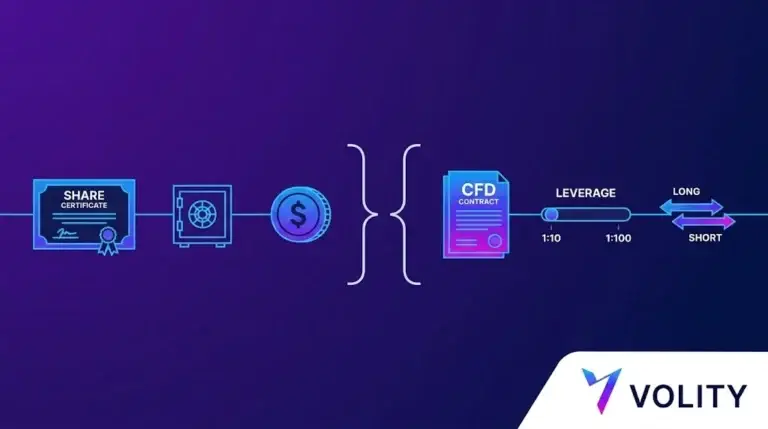
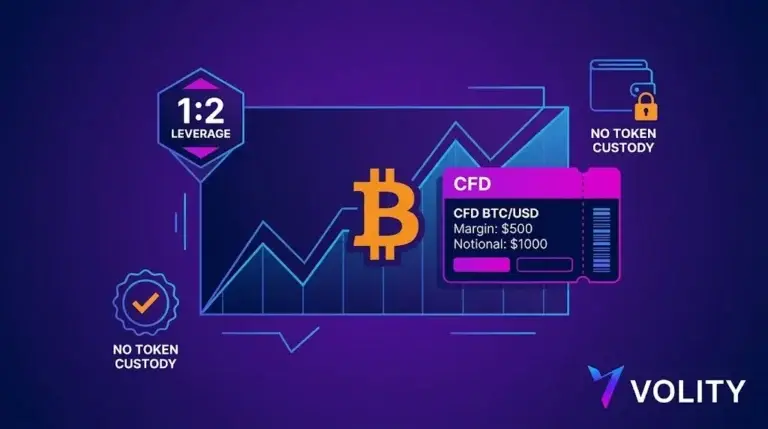
Les contrats pour la différence (CFD) permettent aux marketeurs de spéculer sur les transactions de valeurs d’indices sans préserver les ressources cachées.
Les avantages clés des CFD tels que les capacités de traiter à la fois temporairement et de manière permanente, les sélections d’effet de levier et l’accès à des experts mondiaux auprès d’un seul agent. Cependant, le marketing des CFD inclut des désastres étendus en raison de l’effet de levier et du prix d’expansion.
Options sur indices
La sélection offre aux marketeurs la capacité d’acheter ou de vendre avec précision et obligatoirement un indice à une valeur unique avant une période particulière.
Les marketeurs qualifiés présentent souvent la sélection pour protéger les positions, gagner des techniques et le marketing spéculatif.
Comme les choix engagent des cadres d’évaluation plus critiques, ils sont normalement consultés par des marketeurs qualifiés.
Meilleurs indices pour le day trading
Toutes les préfaces ne sont pas traitées de la même manière. Certaines offrent des situations idéales pour le marketing de la même journée en raison d’une liquidité ou d’une volatilité plus élevée.
Par exemple, le S&P 500 est l’un des marchés économiques les plus liquides au monde.
Pourquoi les marketeurs le choisissent : volume de marketing massif, spreads serrés, modèles techniques clairs. Il est largement considéré comme l’indice de référence pour les marchés américains.
NASDAQ-100
Le NASDAQ-100 est extrêmement valorisé dans les industries des appareils ou de l’électronique.
Caractéristiques : volatilité plus élevée, forte réaction aux nouvelles du secteur technologique, mouvements de prix rapides. En raison de sa volatilité, il est populaire parmi les scalpers et les traders de momentum.
Dow Jones Industrial Average
Le Dow Jones Industrial Average comprend 30 entreprises majeures et évolue souvent plus régulièrement que d’autres indices.
Il y a certains avantages à l’action de prix fluide du Dow Jones, une forte corrélation avec les données économiques. Certains traders préfèrent le Dow car il peut être plus facile à analyser techniquement.
DAX
Le DAX allemand est connu pour ses grandes fluctuations de prix intrajournalières.
Caractéristiques : volatilité élevée, actif pendant les sessions européennes et grandes plages quotidiennes. Cela fait du DAX un favori parmi les day traders européens.
Meilleur moment pour le day trading d’indices
Dans la gloire du marketing intrajournalier, la gestion du temps joue un rôle crucial. Quelques périodes au cours de la journée de marketing tentent de générer de puissantes fluctuations de valeur.
Session de Londres
Dans les marchés économiques mondiaux, l’assemblée de Londres est la période la plus opérationnelle.
Les indices européens comme le DAX et le FTSE 100 connaissent de puissantes fluctuations au cours de cette période en raison de la démonstration de vues financières, de la mobilité du marketing institutionnel.
Session de New York
La session de New York est particulièrement primordiale pour les indices américains. La plupart de l’activité de marketing se produit pendant que la Bourse de New York est ouverte.
Caractéristiques clés : volatilité élevée à l’ouverture du marché, forte participation institutionnelle et annonces économiques majeures. Donc, par ce processus, cela a été fait au sein d’un agent.
Chevauchement du marché
Le chevauchement entre les sessions de Londres et de New York produit souvent les plus grands mouvements de prix de la journée.
Les traders observent généralement trois phases : mouvements directionnels forts, volume plus faible et ajustements de position institutionnels.
Percevoir ces phases aide les traders à choisir le meilleur moment pour entrer dans les trades.
Stratégies de day trading populaires pour les indices
Les day traders efficaces dépendent généralement de techniques formatives plutôt que de sélections de marketing indiscriminées. Voici plusieurs approches largement utilisées.
Stratégie de suivi de tendance
Le suivi de tendance implique d’identifier la direction du marché et de trader dans la même direction.
Les traders utilisent souvent des moyennes mobiles, des lignes de tendance et des indicateurs de momentum. Par exemple, si un indice atteint systématiquement des sommets plus élevés et des creux plus élevés, les traders peuvent se concentrer sur l’achat de replis au sein de la tendance.
Trading de cassure
Le trading de cassure se concentre sur la fluctuation des prix au-delà des niveaux d’assistance ou de résistance principaux.
Lorsqu’un indicateur s’immisce au-dessus du seuil, les marketeurs espèrent le bon moment pour procéder vers le haut.
Les cassures sont simples lors de l’ouverture du marché, de plusieurs déclarations et de l’expansion des réunions.
Scalping
Le scalping comprend la direction et le maintien de minuscules marchés tout au long de la journée.
Caractéristiques : périodes de détention très courtes, petits objectifs de profit, fréquence de trading élevée. Les scalpers comptent fortement sur une exécution rapide et des spreads serrés.
Retour à la moyenne
Les techniques de retour à la moyenne supposent que les valeurs reviendront à leur milieu de gamme après des mouvements intenses.
Les indicateurs souvent utilisés incluent l’indice de force relative (RSI), les moyennes mobiles et les bandes de Bollinger.
Lorsqu’un indice devient suracheté ou survendu, les traders anticipent un renversement.
Gestion des risques pour le day trading d’indices
La gestion des risques est l’un des problèmes les plus importants dans un marketing efficace. Même les techniques idéales peuvent échouer si le désastre n’est pas contenu.
Utiliser des ordres stop loss
Un stop loss ferme automatiquement un trade si le marché évolue contre votre position. Cela aide à protéger les marketeurs contre des pertes importantes lors de changements de marché inattendus.
Dimensionnement de la position
Les marketeurs qualifiés allouent généralement seulement 1 % – 2 % de leur capital de trading au risque. Cela garantit qu’une série de pertes n’endommage pas de manière significative le compte de trading.
Maintenir un ratio risque-récompense
L’objectif de plusieurs marketeurs est un ratio risque-récompense inférieur à 1,2. Cela signifie que les profits potentiels doivent être au moins deux fois supérieurs à la perte potentielle.
Éviter le surtrading
Le surmarketing est une faute générale parmi les débutants. Ouvrir trop de trades conduit souvent à des décisions émotionnelles, à des coûts de transaction plus élevés et à une discipline réduite. Développer la patience et s’en tenir à un plan de trading est essentiel.
Meilleurs outils pour le day trading d’indices
Les agents de marketing de mise à jour offrent des instruments puissants qui aident les marketeurs à interpréter les traders et à mener les transactions avec compétence.
Deux agents très tendance, par exemple, TradingView et MetaTrader 5. Ces plateformes fournissent : des outils graphiques avancés, des indicateurs techniques, des scripts de trading personnalisés et des alertes de marché.
D’autres outils utiles incluent : des calendriers économiques pour suivre les communiqués de presse, des journaux de trading pour le suivi des performances et des outils de backtesting pour tester les stratégies.
L’utilisation des bons outils peut améliorer considérablement l’efficacité et l’analyse du trading.
Meilleurs courtiers pour le trading d’indices
Choisir un agent digne de confiance est important pour le succès du marketing de la même journée. De nombreux agents mondiaux célèbres proposent des services de marketing d’indices.
Les exemples incluent Interactive Brokers, IG Group et Plus500. Lors du choix d’un courtier, pensez aux problèmes suivants : provision et sécurité, paiement marketing, caractéristiques de l’agent, vitesse de conduite et effet de levier atteignable. Un courtier digne de confiance garantit une tarification équitable et une exécution fiable des ordres.
Erreurs courantes commises par les nouveaux traders d’indices
Plusieurs débutants commettent des fautes évitables en commençant par le marketing d’indices. Certaines erreurs courantes incluent des techniques de marketing qui ont été accédées sans un plan défini, ce qui conduit souvent à des résultats incohérents.
De plus, ignorer les nouvelles économiques, les principales déclarations financières peuvent provoquer des fluctuations rapides du marché.
De plus, l’utilisation d’un effet de levier énorme qui améliore les profits importants entraîne des pertes.
Mais le marketing de vengeance est une autre erreur qui tente de récupérer les pertes rapidement, ce qui a des conséquences de multiples erreurs.
Enfin, l’atténuation de la maintenance des risques ne parvient pas à gérer le risque qui cause la perte. Éviter ces erreurs peut améliorer considérablement les performances à long terme.
Avantages et inconvénients du day trading d’indices
Comme toute approche de trading, le day trading d’indices présente à la fois des avantages et des inconvénients.
Les avantages du marketing d’indices quotidien sont une liquidité élevée, une diversification entre plusieurs entreprises et des tendances fortes et prévisibles.
Alors que les inconvénients du catalogue de marketing quotidien nécessitent de l’expérience et de la discipline, une forte volatilité lors d’événements d’actualité majeurs, et l’effet de levier peut amplifier les pertes.
Percevoir les deux côtés aide le marketeur à améliorer ses désirs pratiques.
Foire aux questions
Le day trading d’indices est-il rentable ?
Évidemment, le profit dépend de la compétence, de la gestion, de la discipline et de l’atténuation des risques. Bien qu’avec une combinaison d’expérience, cela puisse être rentable.
Quel indice est le meilleur pour les débutants ?
Le S&P 500 est souvent suggéré pour les débutants en raison de sa fluctuation fluide et de sa transaction de valeur comparativement stable.
De combien d’argent avez-vous besoin pour faire du day trading d’indices ?
L’investissement demandé repose sur les outils de marketing. Le marketing futur demande simplement une marge plus élevée, tandis que les ETF et les CFD peuvent permettre un solde d’entrée plus petit.
Les indices sont-ils meilleurs que les actions pour le day trading ?
Plusieurs marketeurs choisissent les indices car ils reflètent l’ensemble des marchés plutôt que les industries personnelles, minimisant les conséquences des informations basées sur l’entreprise.
Quel est le meilleur indicateur pour le trading d’indices ?
Il n’y a pas de meilleur indicateur unique. De nombreux traders combinent des outils tels que les moyennes mobiles, le RSI et le VWAP pour analyser les tendances du marché et le momentum.
Ce que nos analystes surveillent : Le manuel intrajournalier pour les indices fonctionne sur trois bandes. La cassure de la plage d’ouverture (les 30 premières minutes après l’ouverture au comptant), la poche de liquidité de milieu de session (généralement de 10h30 à 11h30, heure de New York, lorsque le volume diminue) et la fenêtre de déséquilibre de clôture (les 20 dernières minutes lorsque les ordres MOC dominent). Nous ajoutons des catalyseurs macroéconomiques : événements de la Fed et de la BCE, IPC américain, impressions ISM PMI. Le profil de volume et le VWAP sont les deux ancres techniques qui comptent le plus ; trader sans eux est la façon dont les nouveaux day traders perdent du capital.
Foire aux questions
Quel indice est le meilleur pour un day trader débutant ?
Le S&P 500 (futures SPX ou ES) et le Nasdaq 100 (futures NDX ou NQ) sont les points de départ standard en raison de leur liquidité profonde, de leurs spreads serrés et de leur structure technique claire. Le DAX 40 est une bonne alternative européenne avec des mouvements intrajournaliers plus nets. Évitez les indices à faible capitalisation et les indices de référence des marchés émergents exotiques jusqu’à ce que vous ayez construit un réel avantage. Investopedia couvre le timing des sessions.
Quel effet de levier est approprié pour le day trading d’indices ?
Inférieur à ce que la plupart des traders de détail utilisent. Le plafond d’effet de levier de détail de l’ESMA sur les indices majeurs est de 20:1, mais les professionnels utilisent généralement un effet de levier effectif beaucoup plus faible (3:1 à 5:1) afin qu’une seule mauvaise session ne menace pas le compte. Le dimensionnement de la position basé sur l’ATR et 1 % de risque par trade est l’approche durable.
Comment gérer le risque d’écart sur les indices ?
Le day trading clôture explicitement les positions avant la fin de la session au comptant, mais les CFD sur indices basés sur les futures se négocient presque 24 heures sur 24, de sorte que les écarts de nuit peuvent toujours vous toucher si vous restez ouvert. Les ordres stop loss ne peuvent pas garantir des exécutions à travers les écarts. La FCA et d’autres régulateurs exigent des divulgations claires sur le risque d’écart de la part des fournisseurs de CFD ; lisez-les avant de dimensionner une position.
Comment Volity soutient-il le day trading d’indices ?
Volity offre un accès réglementé aux principaux indices mondiaux via CFD par l’intermédiaire d’UBK Markets (licence CySEC 186/12) avec nos entités de Sainte-Lucie et Chypre. Vous bénéficiez de spreads serrés sur les indices phares, d’une protection contre les soldes négatifs sur le niveau de détail et de l’option de couvrir les positions sur indices avec des devises ou des matières premières sur le même compte.
Guides connexes
Volity exploite une plateforme de trading et publie également du contenu éducatif et analytique sur le trading. Le contenu de cette page est uniquement à des fins éducatives et ne doit pas être considéré comme un conseil financier. Volity peut bénéficier commercialement lorsque les lecteurs ouvrent des comptes de trading via les liens présents sur ce site.
Notre contenu est produit et révisé selon des standards éditoriaux documentés ; consultez notre méthodologie de comparaison et de revue.