Buying gold carries investment risk and price volatility exposure. Counterfeit metals exist in the market and can bypass initial verification. Storage in home safes creates theft and insurance complications. Professional storage fees can erode returns during flat price periods. Gold does not generate dividends or yield, returns depend entirely on price appreciation. Credit card purchases may incur processing fees that increase acquisition costs. 24K investment jewelry carries wide bid-ask spreads at secondary markets. Not all dealers offer transparent buyback guarantees or lifetime price locks. Past performance is not indicative of future results. Capital at risk.
Buying gold is the strategic acquisition of precious metal assets to protect wealth from currency debasement. In 2026, the market has reached a record daily volume of $536 billion, driven by central bank purchases of over 800 tonnes. This activity provides an essential “defensive anchor” for 560 million investors in the current inflationary regime.
Buying gold functions as the primary gateway for investors seeking to secure their purchasing power outside of the traditional banking system. This process identifies the most efficient vehicles, ranging from physical bullion to Inflation Protection tokenized blockchain assets, to gain exposure to the $14 trillion gold market. It serves as a foundational component for modern “All-Weather” portfolio construction in 2026.
The 2026 market landscape is characterized by the “Costco Effect” and a generational shift toward “wearable wealth” among younger investors. Gold Trading for Beginners traders utilize these diverse acquisition channels to optimize their entry costs and to ensure their holdings meet high-purity investment standards.
While understanding How to Buy Gold is important, applying that knowledge is where the real growth happens. Create Your Free Forex Trading Account to practice with a free demo account and put your strategy to the test.
What are the primary ways to buy gold in 2026?
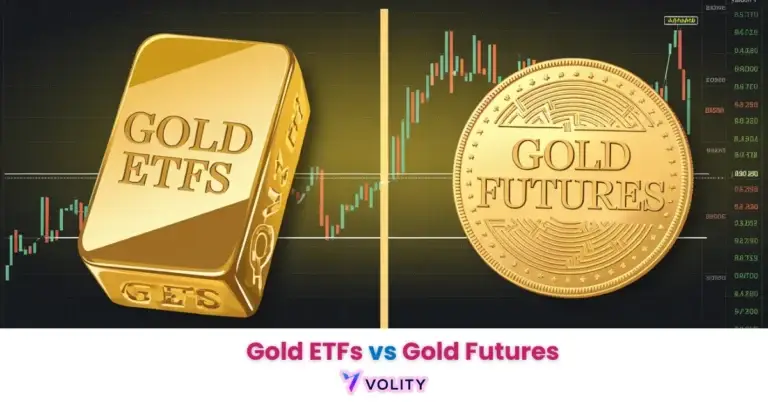
The four primary routes to gold ownership identify the specific financial vehicles used to gain exposure to the precious metals market. Physical bullion (coins and bars) offers direct ownership with zero counterparty risk, while gold ETFs provide instant trading liquidity without storage complications. Tokenized gold on blockchain platforms like PAXG reveals a 24/7 settlement mechanism accessible even during traditional market closures. Gold mining equities represent high-leverage operating plays where investors gain exposure to spot gold through company operational leverage and exploration upside. A well-known fund-based example is the Vanguard gold fund (VGPMX), which leans on mining and capital-cycle equities rather than physical bullion.
Comparing physical bullion with physical-backed ETFs shows why many diversified portfolios combine the two: ETFs as the core holding for instantaneous price discovery and physical bars for tail-risk hedging. The role of gold mining equities identifies them as a volatile alternative for traders seeking 2-3x leverage on gold price moves, but with additional operational and management risks that pure bullion does not carry. Introduction to tokenized gold (PAXG/XAUT) for 24/7 blockchain settlement reveals a fundamental shift in how younger investors (“Gen Z”) access gold exposure, they demand constant accessibility matching their stock-trading habits. Before buying, it is worth weighing whether gold is a good investment for your goals.
A common institutional approach pairs physical-backed ETFs for core liquidity with a smaller holding of allocated bullion bars for vault-level security, creating a hybrid structure that balances instantaneous tradability with tangible ownership.
Physical vs. Paper Gold: The Counterparty Risk Trade-off
Counterparty risk is the probability that the institution holding your gold-linked asset will fail to fulfill its contractual obligations. Zero counterparty risk of bullion identifies physical metal as the only form of gold ownership that cannot evaporate through institutional failure, a critical distinction in an environment where major banks face de-risking pressures. The systemic risks of brokerage-held ETFs, while historically minimal, create residual counterparty exposure that physical bars eliminate entirely.
Ready to Elevate Your Trading?
You have the information. Now, get the platform. Join thousands of successful traders who use Volity for its powerful tools, fast execution, and dedicated support.
Create Your Account in Under 3 MinutesWhere can I buy physical gold safely in 2026?
Tier-1 bullion dealers identify the verified commercial entities that offer LBMA-certified gold products with insured shipping and transparent pricing. The primary channels for purchasing physical gold, online dealers, retail giants, and sovereign mints, each serve different buyer personas and risk tolerances. Analysis of leading 2026 online dealers reveals that APMEX and JM Bullion dominate retail volume through competitive premiums and transparent pricing models, with APMEX averaging 2.5% premiums on 1oz coins and JM Bullion averaging 2.8% (APMEX: Real-Time Gold Premiums and Dealer Ratings, 2026).
The “Costco Effect” identifies why retail giants now account for $100M-$200M in monthly gold sales across North America. Costco members can achieve a net price “below spot” in 2026 by stacking 2% Executive membership rewards with 2% Citi Visa cashback on 1oz bar purchases, creating a combined 4% discount that brings acquisition costs below the global benchmark (Kitco, 2026). Comparison of local coin shops versus sovereign mints shows that coin shops provide personalized verification and instant possession, while mints like the Royal Canadian Mint and U.S. Mint offer absolute authenticity but limited availability and higher premiums.
Spot Gold Price and Buying Gold Bars resources help traders verify real-time dealer premiums before committing capital. The selection of dealer-insured storage versus personal custody represents the fundamental choice between convenience (institutional handling) and absolute security (home possession).
Before moving savings into gold, compare the two directly: our gold vs savings account guide shows five years of results in euros, including gold’s 2026 fall.
How much gold should a beginner own in a 2026 portfolio?
Strategic gold allocation identifies the percentage of total investment capital dedicated to precious metals to optimize risk-adjusted returns. The recommendation of a 5% to 10% “Defensive Anchor” allocation for standard portfolios reveals that even modest gold positions measurably reduce drawdowns during equity bear regimes. Analysis of the “15% Inflation Hedge” for investors concerned with the $38 trillion US debt shows that larger allocations make sense for those with explicit debasement fears.
Comparison of gold’s role in Boomer “Wealth Preservation” strategies versus Gen Z “Wearable Wealth” approaches identifies a generational shift in why investors buy gold. Older cohorts view gold as a vault asset providing strategic stability, while younger investors treat gold as a portable, tradeable asset class matching their lifestyle (fractional bars worn as jewelry or held in digital wallets).
Real trading example: An investor purchased a 1oz American Gold Eagle Coin in May 2026 at a $4,750 spot price with a 4.5% dealer premium, bringing total acquisition cost to $4,963. The investment provided 100% price exposure to the Q2 gold rally while maintaining zero counterparty risk, unlike a traditional bank deposit that yields 4.25% but carries systemic banking risk. Past performance is not indicative of future results.
Real Yields dynamics determine whether gold outperforms cash, when real yields turn negative, gold’s zero-yield characteristic becomes attractive because investors prioritize capital preservation over yield generation.
Is 24K investment jewelry a viable alternative to bullion?
Investment jewelry benchmarks identifies the quantitative price and liquidity differences between bullion and wearable 24K gold.
| Asset Type | Typical Premium | Resale Liquidity | Portability Rank |
| Gold Bars | 1% – 5% | Very High | Moderate |
| Gold Coins | 3% – 10% | Very High | High |
| Mene 24K Jewelry | ~30% | High (Buyback) | Ultra-High |
| 14K Mall Jewelry | 200% – 300% | Low (Melt Only) | High |
| Tokenized Gold | < 0.5% | Instant (24/7) | Digital Only |
Source: Data compiled from retail market averages and Mene transparency reports (May 2026).
The premium structure reveals that 24K investment jewelry like Mene rings and bracelets carry a 30% markup over spot price, reflecting the design and branding costs inherent in finished jewelry. This premium is significantly lower than traditional 14K mall jewelry (200-300% markup), yet higher than pure bullion bars. The resale liquidity advantage shows why Mene has achieved 150% year-over-year growth among young investors, the brand’s buyback guarantee and online-first platform eliminate the hassle of finding local jewelers willing to test purity.
Portability differences indicate that 24K wearable jewelry excels for international travelers and individuals seeking to disguise their gold holdings as fashion accessories. However, the resale premium makes jewelry suboptimal for pure wealth preservation, bars and coins always retain better percentage recovery of spot value.
The Gen Z “Gold Rush”: Fractional and Digital Trends
Fractional gold ownership represents the modern trend of purchasing tiny 1g to 5g units to build wealth without large upfront capital commitments. Analysis of “Gold Beans” and charms identifies a cultural shift where Gen Z views gold as a “savings account” alternative to bank deposits or cash holdings. The role of mobile apps like OWNx in facilitating $25 recurring gold purchases reveals how fintech platforms have democratized gold acquisition, investors can now achieve dollar-cost averaging in gold just as easily as they invest in fractional stock shares.
Comparison of digital-native gold tokens (PAXG on Ethereum) versus traditional vault certificates shows that blockchain-settled gold brings 24/7 markets to retail traders. PAXG trading occurs continuously while traditional gold markets (COMEX) operate defined hours, allowing holders to exit positions during geopolitical shocks before traditional market opens.
[Green note content about Gen Z gold buying]
The Gold vs S&P 500 comparison reveals why younger investors increasingly prefer fractional gold, they view it as a hedge against perceived equity market manipulation and inflation erasure, rather than as a conservative “boring” asset for retirees.
Turn Knowledge into Profit
You have done the reading, now it is time to act. The best way to learn is by doing. Open a free, no-risk demo account and practice your strategy with virtual funds today.
Open a Free Demo AccountStep-by-Step Checklist for Your First Gold Purchase
The 2026 gold buying checklist represents the essential verification and storage steps required for a secure acquisition. Verification steps include insisting on LBMA refiners (which use NFC-embedded chips), requesting “Multi-Purpose Tap” NFC verification via smartphone app, and confirming purity with independent assay reports. Storage decisions revolve around choosing between a high-grade home safe (convenience but limited insurance) and professional segregated storage (higher cost but audited security and full coverage).
Step 1: Select a Tier-1 dealer (APMEX, JM Bullion, Costco, or sovereign mint) and verify their LBMA accreditation. Step 2: Check live dealer premiums against Spot Gold Price benchmarks to ensure fair pricing. Step 3: For physical metal, verify the product includes NFC security chips and request the assay card. Step 4: Choose allocated storage (professional vault with audit trails) or home possession (direct responsibility but zero counterparty risk). Step 5: Maintain insurance documentation and register allocated metal with your homeowner or specialized precious metals insurer.
Safe Haven Asset classification requires that your gold holdings meet high purity standards (minimum 99.5%) and originate from LBMA-accredited sources. The importance of Portfolio Diversification integration means positioning your gold purchase as a specific allocation percentage rather than a speculative trade.
Key Takeaways
- [Buying gold] in 2026 serves as a critical defensive anchor, protecting 5% to 15% of an investor’s portfolio from systemic financial risk.
- [Physical bullion] (coins and bars) offers the purest form of ownership with zero counterparty risk, ideal for long-term wealth preservation.
- [Gold ETFs] provide the most efficient price exposure and instant liquidity for traders seeking to capitalize on short-term market moves.
- [The 4% Costco reward hack] has made retail giants a dominant and cost-effective channel for first-time gold buyers in 2026.
- [24K investment jewelry] (Mene) offers a unique hybrid of “wearable wealth” and portable liquidity, especially useful for international travel.
- [NFC-embedded verification] is the new security standard for 2026, allowing buyers to confirm a bar’s authenticity with a simple smartphone scan.
Frequently Asked Questions
This article contains references to gold buying, gold dealers, and Volity, a regulated CFD trading platform. This content is produced for educational purposes only and does not constitute financial advice or a recommendation to purchase any gold product. Always verify the credentials of bullion dealers and the authenticity of physical metal before purchase. Some links in this article may be affiliate links.
For a full walkthrough, see our guide to trading gold.