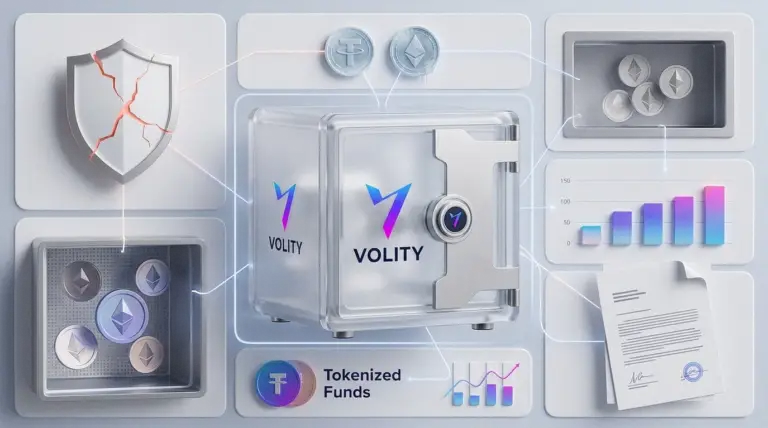
Bitcoin Hovers Near $80,000 as Policy Hopes Meet Hack Headlines
Bitcoin pushed above $80,000 again on Thursday, then slipped back below the line.
The move was not dramatic. However, it mattered because the market has started treating $80,000 as a referendum. Bulls see it as a launchpad. Sellers see it as a cash register.
By late trading, BTC was near $79,675, down 1.26%. Meanwhile, Ether held around $2,263, off 0.65%. Traders pointed to ETF outflows, profit-taking and a jumpy macro backdrop.
The wider crypto market also softened. Geopolitical tension around Hormuz kept energy traders alert. Risk desks had one more reason to trim exposure before the weekend.
Still, the tape was not simply bearish. Under the surface, tokenised finance kept drawing institutional money. In Washington, crypto legislation kept moving. And, as usual, hackers found fresh ways to spoil the mood.
Tokenisation Reaches a New Treasury Milestone
Tokenised U.S. Treasuries hit $15.35 billion in value, marking another record for blockchain-based real-world assets.
That number now matters beyond crypto circles. Fund managers want yield, settlement speed and cleaner collateral plumbing. Meanwhile, banks increasingly see tokenisation as infrastructure, not decoration.
Fidelity International launched FILQ, a Moody’s-rated tokenised fund. The rating gives cautious institutions something familiar to hold. It also nudges tokenised funds closer to the mainstream fixed-income shelf.
NUVA also brought Figure’s $19 billion of tokenised assets onto Ethereum. That move strengthens Ethereum’s case as a settlement layer for regulated finance. However, it also increases scrutiny on fees, uptime and compliance checks.
- Tokenised U.S. Treasuries: $15.35 billion, a record level.
- Bitcoin: about $79,675, down 1.26%.
- Ether: about $2,263, down 0.65%.
- Figure assets on Ethereum: $19 billion through NUVA.
- XRP open interest: nearing $475 million.
Washington Keeps Traders Watching the Calendar
Policy news gave crypto bulls something to hold besides charts.
Coinbase chief Brian Armstrong backed the CLARITY Act before Senate markup. Supporters argue the bill could reduce offshore migration by defining market roles more clearly.
DeFi executives also watched closely. Aave’s leadership has said the proposal could reshape decentralised finance regulation. However, traders remain wary of amendments that could narrow exemptions or raise compliance costs.
The confirmation of Kevin Warsh as Federal Reserve chair added another policy variable. Crypto traders quickly folded that into rate expectations, liquidity assumptions and dollar forecasts.
Across the Atlantic, the Bank of England considered softer treatment for UK stablecoin issuers. That would matter for sterling rails, payment firms and offshore liquidity pools.
Prediction markets also received relief from the CFTC in a separate regulatory fight. Political contracts and event-based markets may remain a live theme for exchanges.
There was political theatre too. Donald Trump’s possible pardon list, said to include about 250 names, drew crypto attention. Separately, Nigel Farage faced scrutiny in Britain after a ban on crypto donations tied to a billionaire gift.
Corporate Moves Show Ambition, but Balance Sheets Hurt
Coinbase teamed with Hyperliquid to push USDC further into treasury operations. The partnership gives the stablecoin another distribution route among active traders.
Bitget Wallet appointed former Uber executive Jack Zhai to lead Americas growth. KDDI’s $65 million Coincheck deal also gave Japan’s crypto market another corporate foothold.
Yet market conditions still punished expansion plans. Ledger paused IPO work, blaming fragile market conditions. That decision signals caution among private crypto firms hoping for public-market multiples.
Earnings offered a mixed picture. BitGo revenue doubled to $3.8 billion, but first-quarter losses widened. Nakamoto posted higher revenue, yet still reported a $238.8 million loss.
Solana-linked corporate treasuries looked especially exposed. DeFi Development reported 108% growth in SOL holdings, while still losing money. Forward Industries moved near a $1 billion paper loss on Solana after its first-quarter hit.
Metaplanet also took a $725 million Bitcoin markdown. As a result, equity investors are getting a messy reminder. Crypto treasury strategies work brilliantly on the way up, then become earnings events on the way down.
Security Scares Put a Ceiling on Confidence
Hack headlines returned just as Bitcoin tried to settle above $80,000.
North Korean hacking groups were linked to major South Korean crypto thefts dating back to 2018. The pattern is familiar, but the persistence still matters. Exchanges now face state-backed adversaries with patience and scale.
Tether froze $213 million tied to Gurhan Kiziloz in a Brazilian tax dispute involving gambling and crypto sales. Stablecoin freezes often calm law-enforcement concerns. However, they also remind users that centralised tokens have off-chain pressure points.
Ripple executive David Schwartz warned XRP holders about fake airdrops. Fraudsters tend to swarm whenever liquidity returns. Token holders should treat unexpected wallet prompts as hostile until proved otherwise.
Roaring Kitty’s X account was also hacked, according to market chatter around RKC coin. The token briefly pulled in about $2.8 million from traders before the scheme unravelled.
There was one happier wallet story. A user recovered 5 BTC from an old wallet search with help from Claude. Meanwhile, Anthropic voided PreStocks tokens that claimed to represent its shares.
Altcoins Trade Like a Pinball Table
Altcoin flows remained scattered, fast and unforgiving.
Binance removed 20 Alpha tokens, forcing holders to check exposure quickly. Upbit’s NKN delisting added another pressure point for smaller listings.
Solana buyers defended the $90 area, though a bearish crossover kept technicians cautious. Chainlink tested the $10 zone, with bulls trying to reclaim momentum from a stubborn support line.
Cardano’s ADA flashed a bullish indicator after a 73% crash. That may attract bottom-fishers. However, sharp rebounds after deep drawdowns often punish late entries.
Matchain’s MAT jumped 349% during an altcoin rotation. XRP open interest approached $475 million, raising the chance of a leverage-driven move in either direction.
Elsewhere, ZachXBT criticised LAB insiders over control of exchange-promoted tokens. Myriad also tapped Chainlink for automated prediction-market payouts, adding another use case for oracle infrastructure.
Macro Signals Still Lean Both Ways
Traditional-market signals offered no clean answer.
The copper-gold ratio echoed a pattern that preceded Bitcoin’s 2020 bull run. That comparison will tempt macro traders looking for a liquidity turn. However, today’s rate backdrop is different.
Ray Dalio warned again about fading fiat dominance and a changing global money order. Those views usually support hard-asset narratives, including Bitcoin. Yet they do not prevent short-term liquidations.
Anduril’s $5 billion raise at a $61 billion valuation also showed risk capital is far from dead. Defence technology is not crypto, of course. Still, large private rounds can stiffen animal spirits across growth markets.
For context on the broader week, see How to Navigate Crypto and Investment Hype for Smart Returns, Bitcoin Holds $80k as Fed Cut Fears Return in May 2026 and UK Small Cap Stocks Outpace Big Tech: IWM Beats SPY & QQQ.
The thread continued the next day with Bitcoin eyeing $100k as the CLARITY Act passed Senate Banking markup and UK investors rotating into safer yields amid the crypto market wobble.
Key Takeaways
- Bitcoin: $80,000 remains the line to watch for momentum and ETF-flow sentiment.
- Ether: $2,400 is the nearby resistance zone after recent profit-taking.
- Tokenised funds: Treasury growth suggests institutional demand is becoming durable.
- Policy: CLARITY Act progress could move exchange, DeFi and custody stocks.
- Altcoins: delistings and high open interest make position sizing more important than conviction.