Crypto Digest: Bitcoin Clings to $80,000 as Fed Nerves Return
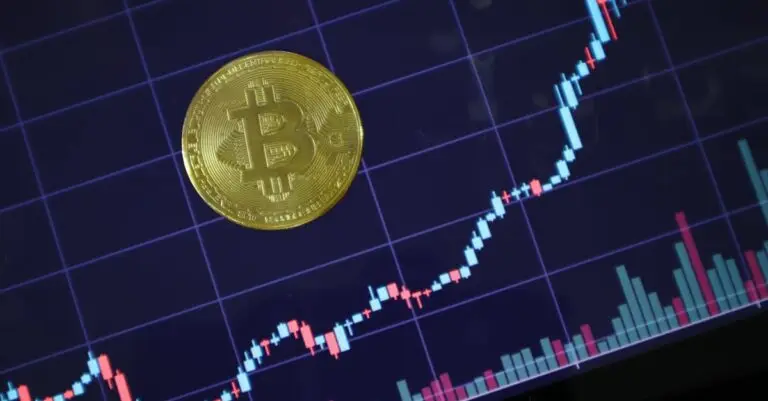
Bitcoin spent the session near $80,000, and that number now carries more weight than elegance.
Hot United States producer-price data landed after a firm CPI print, trimming hopes for quick Federal Reserve cuts. However, crypto traders did not run for the exits. They leaned into the old habit of defending round numbers when the macro tape turns sour.
BTC held around the $80,000 area, while bulls watched $85,000 as the first serious test above. Meanwhile, a clean move through that level would put $90,000 back on dealing screens. A failure, however, would make $76,000 the level that decides the mood.
On-chain signals also helped steady nerves. CryptoQuant’s broad cycle signal turned green for the first time since March 2023. Traders read that as early bull-market territory, though inflation can still spoil the party fast.
Washington added another layer. The CLARITY Act is heading towards Senate work after attracting more than 100 amendments. Market structure remains both a price catalyst and a paperwork swamp. For crypto desks, that is almost normal now.
By the Numbers
- $80,000 – the key Bitcoin area bulls defended after the inflation double hit.
- $85,000 – the near-term upside level traders want reclaimed.
- $90,000 – the next obvious target if macro pressure fades.
- 100+ – amendments tied to the CLARITY Act before Senate markup.
- March 2023 – the last time CryptoQuant’s cycle signal flashed green.
Price Watch: Solana, Ether and the Crowded Trade
Solana kept pulling attention as it pushed towards the $100 zone. Yet that level has already rejected buyers once. A fresh P-Token upgrade promises up to 20 times better efficiency on mainnet. So, the technical story and the upgrade story now point in the same direction.
Still, SOL looks warm, not cheap. Momentum traders may chase a clean break above $100. However, late buyers risk getting caught if the token stalls again near resistance.
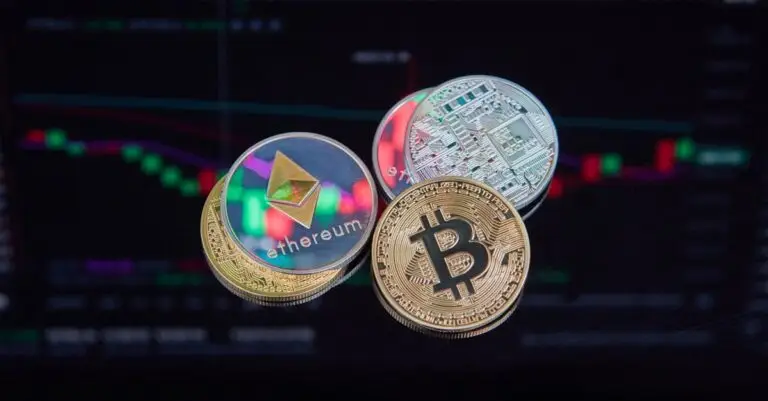
Ether looked steadier. ETH formed a bullish simple moving average crossover inside an ascending channel. Traders are watching $2,600 as the upside marker. Meanwhile, a new security feature aimed at reducing blind signing may help the network’s everyday trust problem.
BNB is trying to complete a double-bottom pattern above $700. XRP has drawn whale interest, with large-holder counts at record levels. The $1.50 area has become the level bulls casually mention, then pretend not to watch.
TON was the weaker corner. A bearish crossover left the token at risk of a drop below $2. In this market, laggards receive little patience.
Tradfi Crashes the Crypto Party
Wall Street is no longer tapping the glass. It is reaching into the tank.
Schwab Crypto went live with direct Bitcoin and Ether access for retail clients. Square reached 1 million Bitcoin-enabled merchants in the United States. Meanwhile, eToro reported a 37 percent profit jump, even as crypto trading volumes softened.
The institutional flow was more interesting than the headlines. Jane Street trimmed Bitcoin ETF holdings but increased Ether exposure. Wells Fargo’s first-quarter filings also showed larger ETH ETF bets. The rotation into Ether is becoming harder to dismiss.
JPMorgan launched JLTXX, an Ethereum-based reserve fund. Franklin Templeton and Kraken’s Payward joined forces on tokenised money markets. LMAX also opened Kiosk for crypto collateral across foreign exchange and metals trading.
Binance, meanwhile, expanded into traditional finance perpetuals. That gives crypto-native traders a cleaner way to express macro views. It also makes the border between crypto and everything else feel less useful by the week.
Institutional Moves: Miners, Wallets and Collateral
The sharpest corporate move came from MARA Holdings. The miner sold $1.5 billion of Bitcoin and shifted capital towards AI infrastructure. Even after that sale, MARA remains the fourth-largest public holder of BTC.
Exodus also sold coins, unloading 1,076 BTC to fund a $175 million payments acquisition. So far, investors have treated these sales as treasury choices, not panic signals.
Infrastructure names kept building. DTCC and Chainlink rolled out Collateral AppChain, with 24-hour collateral management planned by the fourth quarter. If it works, the dull back office could become one of crypto’s most profitable lanes.
Elsewhere, 21Shares debuted United States Hyperliquid ETFs with staking. tZERO chose Aptos for tokenised asset issuance. Galaxy and SharpLink are also eyeing a $125 million DeFi yield fund.
Those moves share one theme. Big money wants crypto rails, but it wants them wrapped in recognisable products.
Global Green Lights Meet Old-fashioned Hacks
Asia stayed busy on regulation. Vietnam is targeting the third quarter for a regulated crypto market launch. Bhutan has opened a fast-track licensing path for global firms. Meanwhile, Japan Open Chain is preparing B2B services, with EJPY plans in view.
Payments firms kept joining the queue. Alchemy Pay entered Mastercard’s programme, aiming to widen crypto payment access. In Switzerland, one town launched Hedera-powered biodiversity vouchers, a small but telling test of tokenised public incentives.
However, the crime blotter stayed active. Transit Finance lost $1.88 million in a cross-chain exploit. Aave is voting on whether to claw back $71 million tied to a Kelp DAO dispute. Legend, a DeFi superapp, will shut down in July after two years.
The message is familiar, but still useful. Adoption grows in daylight. Risk often arrives through the side door.
AI Trading Tools and Scam Warnings
AI trading bots are spreading across stocks, crypto and foreign exchange. Some free tools are already being pitched for 2026 portfolios. Meanwhile, Poly Truth is pushing an AI prediction market that turns data feeds into tradable bets.
That excitement has a darker twin. CoinMarketCap warned users about a fake CMC token. Pi Network also kept pressing its KYC campaign, though PI’s price action remains limp.
For traders, the rule is simple. If a token borrows a trusted logo, verify it twice. Then verify it again.
Quick Hits
- Metaplanet’s chief executive said preferred shares were delayed to refine the structure.
- ECB official Denis Beau pushed for euro stablecoins, putting pressure on Christine Lagarde’s cautious line.
- Ronin L2 completed its Ethereum homecoming hard fork.
- Hyperliquid whale positions reached $4.23 billion, while derivatives stayed broadly neutral.
- Legendary Labs merged with Jinlian to build Web3 prediction markets.
For context on the broader week, see UK Small Cap Stocks Outpace Big Tech: IWM Takes the Lead, UK Investors Guide: Crypto, Tech Earnings & AI in 2026 and Crypto Clarity Act Vote: Banks Push Back, BTC at $80k.
The week continued with Bitcoin testing $80,000 as tokenised Treasuries crossed $15bn and a guide to sifting earnings-backed winners from crypto and tech hype.
Key Takeaways
- Bitcoin needs to hold $80,000 to keep momentum traders engaged.
- Ether is gaining institutional attention through ETFs, security upgrades and tokenised funds.
- Solana has a clean setup, but $100 remains a dangerous chase zone.
- TradFi adoption is moving from headlines into collateral, payments and treasury products.
- Regulation may support the next leg, but hacks still punish uninformed risk-taking.
The market is not calm. It is simply learning to breathe while inflation, regulation and Wall Street all crowd the same room.