Investing in financial products involves risk. Losses may exceed the value of your original investment.
Quick answer
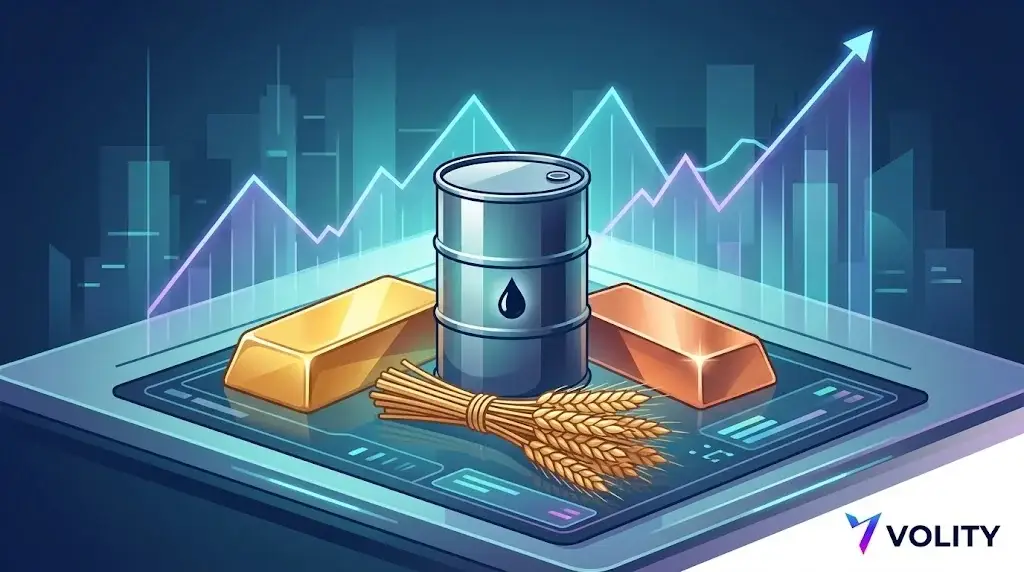
Commodity trading is the buying and selling of raw materials like oil, gold, silver, copper, and wheat to profit from price movements. Traders typically use futures contracts, options, or CFDs rather than physical delivery. Commodities act as inflation hedges and diversification tools alongside stocks, bonds, and crypto in a balanced multi-asset portfolio.
Commodity trading is where you buy and sell raw materials in an attempt to make a profit. This could include things such as oil, gold, silver, and wheat, and you do not have to own the commodities themselves to be a commodity trader. This means that you can take out leveraged contracts and positions that allow you to adopt much larger positions than you otherwise would be able to.
Key Points
Trading commodities is a form of financial trading that does not require you to own the commodities themselves.
Commodities are raw materials such as copper, steel, oil, wheat, gold, and silver that are used by industries all over the world.
Commodities traders speculate on future commodity prices and take out structured contracts that allow them to adopt strategic positions.
Many commodities traders use their strategies to hedge against inflation because commodities tend to cost more when inflation is higher.
How Commodity Trading Works
If you want to become a commodity trader, you will need to have a relationship with a trusted commodity trading broker who is tightly regulated. This is the person with whom you will draw up the contract, which you will then use to speculate. There are three main types of contracts that every commodity trader needs to be aware of:
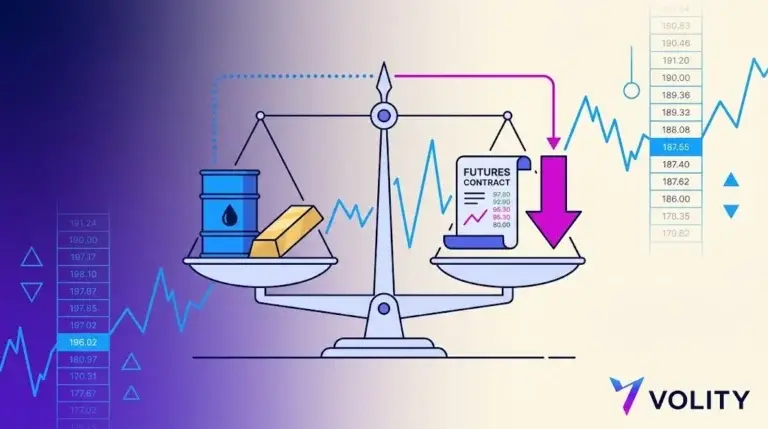
Futures Contracts: These are financial agreements with a strong legal basis to buy or sell a commodity in the future. The date and price will be predetermined.
Options Contracts: The buyer will have the right to sell at a specific price at a stated time in the future, but they are not obligated to do so.
CFDs: Contracts For Difference are carefully structured financial bets on whether the price of a commodity will go up or down in the future.
Commodity traders can significantly derisk their positions by working across different assets and using various types of contracts. This allows them to create a highly diverse portfolio, which means any single event will typically not lead to large losses.
What Determines Commodity Prices?
As with any class of assets, commodity prices are determined by a large number of interconnected factors. For example, the cost of oil can be affected by armed conflicts in oil-producing regions, new investments in other fuel sources, and a loss of confidence in oil companies, to name just a few factors.
The Advantages of Commodity Trading
Financial traders don’t have to own the commodities they are trading, which means they can be highly flexible with what they trade. Many elite traders and investors choose to hold commodity positions to safeguard their other investments against inflation. This is the reason why commodity trading is part of a diverse, robust portfolio rather than a distinct skill that is practised by itself.
Many analysts will point to the fact that commodity prices tend to be more stable long-term than cryptocurrencies or shares in a specific public company. This is because while businesses can fail, the world will always need raw materials. Critics may say that commodity trading doesn’t generally offer the same potential for highly lucrative returns, but that misses the point.
A smart trader will take out positions across a diverse range of commodities at the same time as opening riskier but potentially more lucrative positions with other asset classes. This adds a more stable, lower-risk return to the wider portfolio.
Ready Trade Commodities?
The Volity platform allows anyone to start commodity trading while mastering the basics. Our guide on how to start commodity trading is a great example of this approach and is designed to accelerate your learning curve quickly and efficiently.
Connect with our experts today, and they will guide you through everything you need to know to get started. It’s the exact same move that many of the world’s elite traders have already made.
Common questions
What asset classes count as commodities?
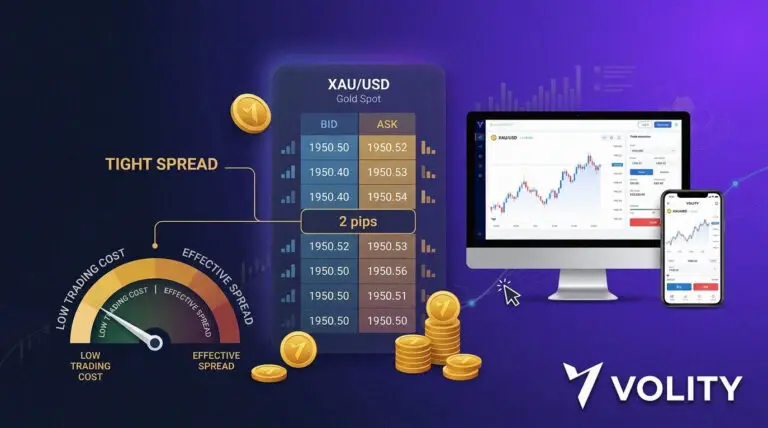
Four main groups: precious metals (gold, silver, platinum), energy (crude oil, natural gas, gasoline), industrial metals (copper, aluminium, zinc), and agriculture (corn, wheat, soybeans, coffee). Each has its own supply-demand drivers and seasonal patterns. Volity offers CFDs across the major commodities; spot precious metals are separately traded as XAU/USD and XAG/USD.
How are commodity prices set?
Through global futures markets (CME Group, ICE, LME) where producers, consumers, and speculators meet. Spot prices follow the front-month future plus or minus carry. Macro drivers include real interest rates, the dollar, geopolitical risk, weather (for agriculture), and OPEC policy (for oil). Volity CFD prices track the underlying spot or front-future continuously.
Can retail traders profit from commodity trading?
Yes, with the same caveats as any leveraged market. The commodities complex tends to trend more cleanly than equity indices, which suits trend-followers and swing traders. CySEC retail leverage caps at 20:1 on gold and 10:1 on most other commodities. CFDs are complex instruments and come with a high risk of losing money rapidly due to leverage.
Volity operates a trading platform and also publishes educational and analytical content about trading. The content on this page is for educational purposes only and should not be considered financial advice. Volity may benefit commercially when readers open trading accounts through links on this site.
Our content is produced and reviewed under documented editorial standards; see our comparison and review methodology.