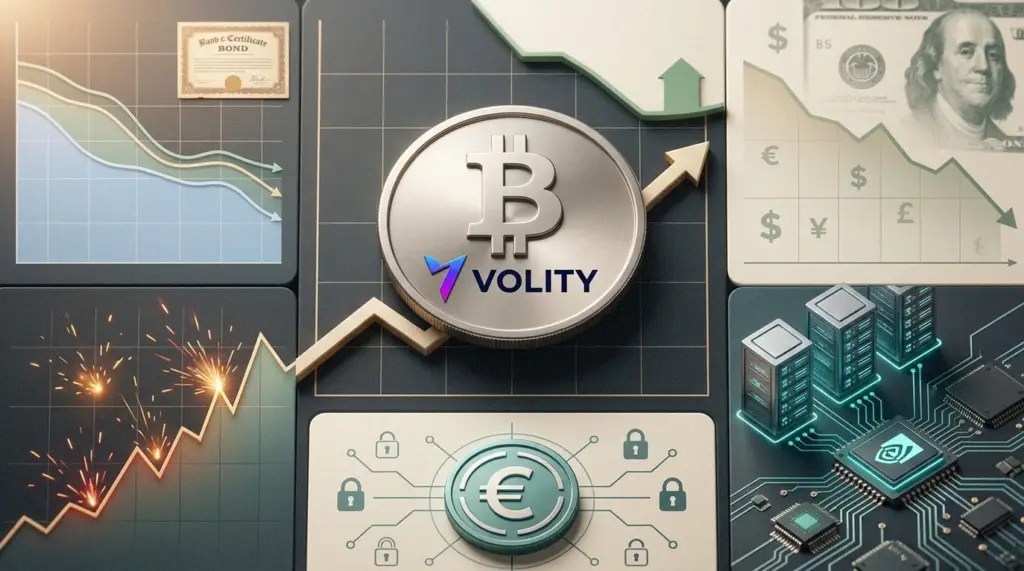
Bitcoin follows the bond market
Thursday’s crypto trade has an unusually sober driver: the United States Treasury market.
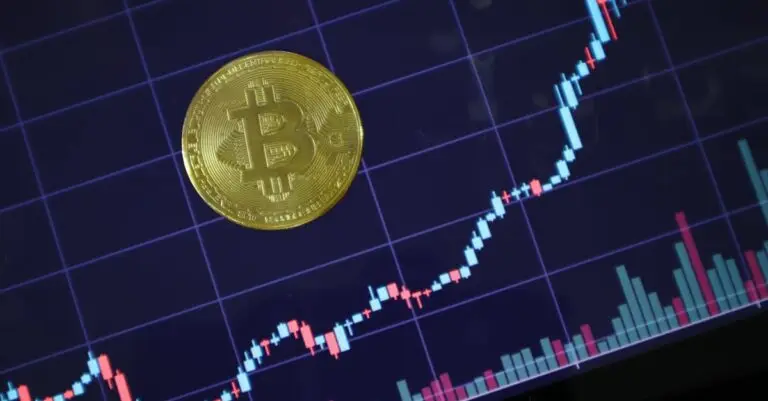
Bitcoin pushed towards $80,000 as longer-dated Treasury yields eased and the dollar softened. However, the move also exposed how quickly macro positioning can spill into digital assets.
The Treasury plans to increase buybacks of 10- to 30-year government bonds. Operations could rise from roughly $2 billion to at least $4 billion each.
Those purchases matter because they support bond prices and can restrain long-term yields. Assets sensitive to liquidity and lower discount rates often receive a lift.
Bitcoin has increasingly joined that group. It traded like a high-beta macro asset during Thursday’s session, rather than a standalone speculative market.
Still, Treasury buybacks are not quantitative easing. Officials use them mainly to improve market liquidity and manage the government’s vast debt stock.
Yet traders rarely wait for the footnotes. As yields fell, leveraged bearish bitcoin positions began to crack.
More than $3.5 billion in crypto short positions reportedly closed through liquidations during the squeeze. Forced purchases added speed to an already strong advance.
The distinction matters for the next move. A short squeeze can propel bitcoin sharply higher, although it rarely supplies durable support by itself.
Markets will now watch Treasury operation details, long-end yields and the dollar index. Meanwhile, any rebound in real yields could test the rally’s foundations.
Nvidia keeps the AI spending boom alive
Nvidia provided the day’s other major jolt. The chipmaker reported fiscal second-quarter revenue of about $96.2 billion, up 106% from a year earlier.
That figure would have looked implausible only a few years ago. Now it shows the extraordinary scale of global spending on artificial-intelligence infrastructure.
The data-centre division generated around $89 billion in sales. Revenue in that business also rose roughly 117% year on year.
Nvidia forecast approximately $108 billion in revenue for the following quarter. Investors took that guidance as evidence that hyperscalers have not yet reached their spending limits.
Shares of NVDA rose about 7% after the results. In turn, the company’s gains helped reinforce risk appetite across technology and crypto-linked markets.
The connection is not purely rhetorical. Exchanges, market makers, analytics providers and AI-focused blockchain projects rely on the same computing supply chain.
However, crypto investors should avoid treating every token mentioning AI as an Nvidia proxy. Many small projects have little revenue, scarce users and no meaningful link to GPU demand.
The cleaner trade remains broader. Strong Nvidia guidance supports the belief that capital expenditure, cloud capacity and computational demand remain elevated.
That belief can favour listed infrastructure companies and liquid crypto assets during a risk-on period. Conversely, a future Nvidia slowdown could hit both crowded AI trades and speculative tokens.
Europe narrows Tether’s regulated routes
Europe’s stablecoin market is changing with less drama, but potentially greater permanence.
Revolut has begun offering EURR, a euro-backed token issued by Bridge, Stripe’s stablecoin unit. The rollout initially covers users in Denmark, Poland and Portugal.
Its importance lies in the regulatory plumbing. EURR operates within the European Union’s Markets in Crypto-Assets regime, known as MiCA.
Meanwhile, USDT has disappeared from regulated trading venues across much of the European Economic Area. Tether has not pursued the required e-money token authorisation.
MiCA places strict demands on reserve backing and issuer safeguards. In particular, issuers face requirements around holding a substantial share of reserves with European banks.
Revolut has moved in the opposite direction. It has removed USDT for affected European users and plans to convert remaining balances after August 31.
For traders, this is not merely a compliance detail. Stablecoins determine collateral, settlement routes, trading pairs and the cost of moving capital between venues.
European liquidity may slowly migrate towards regulated euro tokens and compliant dollar alternatives. USDT will remain influential globally, especially in Asia and offshore markets.
Yet regional fragmentation creates practical complications. Price gaps, funding rates and cross-border arbitrage can behave differently when traders use different settlement assets.
Levels and events to watch
- Bitcoin: $80,000 remains the immediate psychological level after the short-covering rally.
- Treasuries: Watch 10-year and 30-year yields around scheduled Treasury buyback operations.
- Dollar: A weaker dollar supports the current risk trade, while a sharp rebound could unsettle it.
- Nvidia: The market will test whether its $108 billion quarterly revenue outlook justifies current AI valuations.
- Stablecoins: Track EURR volumes and euro-denominated pairs on regulated European platforms.
Trading implications
- Do not confuse liquidity management with stimulus. Treasury buybacks can help sentiment, but they do not guarantee easier monetary policy.
- Respect the squeeze. Bitcoin’s rise included forced short covering, which can reverse sharply after leverage clears.
- Use Nvidia as a sentiment barometer. Its results now influence far more than semiconductor shares.
- Check stablecoin exposure by region. A token available offshore may not provide usable liquidity on regulated European venues.
Crypto’s Thursday rally came from three different places: Washington’s debt mechanics, Silicon Valley’s spending machine and Brussels’ rulebook.
That combination makes for a lively tape. More importantly, it shows that bitcoin, chips and stablecoins now share the same trading weather.
Related coverage on Volity
- How to Avoid Crypto Scams: A Beginner Safety Checklist
- How to Choose a Trading Platform: A 10-Point Checklist
- Demo vs Live Trading Account: A 7-Step Checklist Before You Go Live
- How to Size a Trade: Position Sizing and Risk Per Trade for Beginners
- Risk-Reward Ratio Explained: How to Set It and Why It Matters
- ETF vs Index Fund: The Difference and Which to Pick