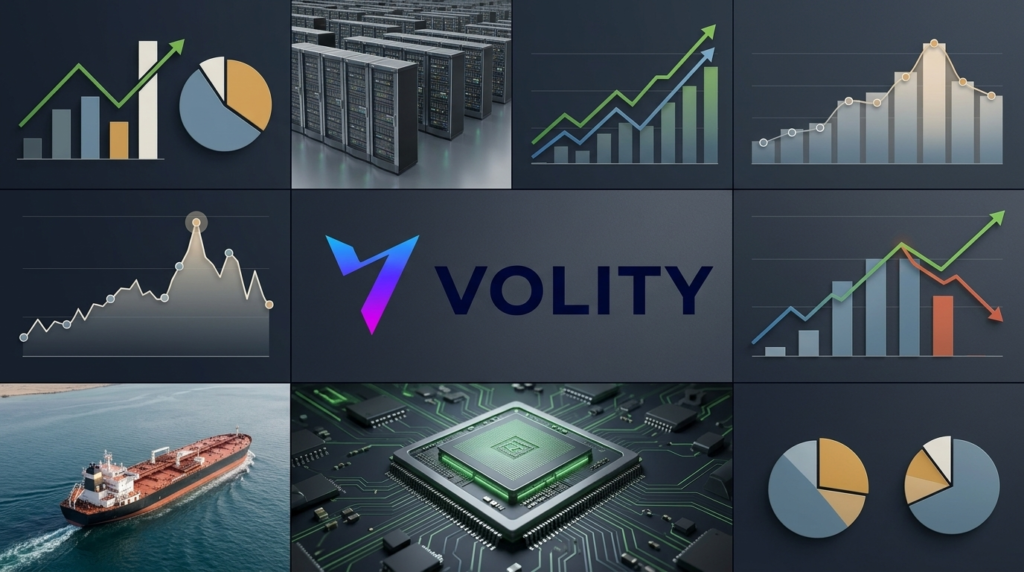
Daily trading and investing ideas: Catalysts worth watching
Markets rarely turn on one headline. They move when several pressures arrive at the same time.
A technical break can meet crowded positioning. An insider filing can collide with softer guidance or a geopolitical supply scare.
The useful question is not simply what looks bullish or bearish. It is what could force investors to change their minds.
This watchlist centres on that question. Each name or sector carries a visible catalyst, but confirmation still matters.
Intel needs buyers to prove the turnaround
Intel remains caught between a credible transformation plan and limited market patience. Investors have heard the pitch and now want evidence.
A possible death cross deserves attention if it becomes confirmed. That would place Intel’s 50-day moving average below its 200-day average.
Yet the crossover alone would not settle the investment case. Price support, trading volume and semiconductor-sector leadership matter more.
If Intel breaks support on expanding volume, optimism may be draining from the shares. A recovery through resistance would challenge that bearish reading.
Peer performance also offers a useful test. Strength across chipmakers could show that Intel faces company-specific concerns rather than a sector retreat.
For now, Intel looks like a confirmation trade. Traders should wait for the chart to choose its direction.
Nvidia faces the burden of exceptional expectations
Nvidia still sits at the heart of the artificial-intelligence investment cycle. Its commercial position remains formidable, but expectations leave little room for disappointment.
The immediate debate is not whether AI demand vanishes. Investors are asking whether data-centre spending can keep exceeding ambitious forecasts.
Hyperscalers have poured billions into computing capacity. They must now demonstrate rising returns from those investments.
A period of consolidation would not automatically damage Nvidia’s longer-term case. It could simply give earnings time to catch up with valuation.
However, a weak reaction to strong results would carry a warning. It could signal that excellent numbers have already entered the share price.
- Watch: Revenue and earnings revisions after results.
- Watch: Hyperscaler capital-spending plans for 2027.
- Watch: Gross-margin trends and customer concentration.
- Watch: Signs that AI customers are monetising new capacity.
Broadcom offers a cleaner rotation test
Broadcom provides a useful comparison for investors weighing semiconductor leadership beyond Nvidia. Its custom-chip and networking exposure gives the AI trade another route.
Micron, by contrast, remains more exposed to memory pricing and supply discipline. All three can rise together, but their drivers differ sharply.
If Broadcom outperforms while Nvidia consolidates, capital may be rotating within the AI complex. That would look healthier than a broad retreat.
If Nvidia, Broadcom and Micron weaken together, the message changes. Investors may be reducing semiconductor exposure across the board.
Relative returns, forward multiples, operating margins and estimate changes offer a better scorecard than headlines.
Corpay’s sale needs context
Corpay chief executive and chairman Ronald Clarke sold 193,464 shares worth roughly $85.3 million on Nov. 24.
He retained a substantial direct holding after the transaction. That detail makes the sale notable, but not automatically bearish.
Executives sell for tax, diversification, liquidity and personal-planning reasons. The market should judge the pattern rather than one filing.
Further sales, heavy volume and weaker guidance would make the signal more meaningful. A stable share price would suggest investors view it as routine.
Traders should watch the stock’s nearest support level. A break alongside fresh selling would change the tone quickly.
Medline faces supply pressure, not necessarily pessimism
Medline’s recent share sales involved major holders, a secondary offering and an issuer repurchase. That represents holder supply rather than a simple management verdict.
Large investors often monetise successful positions without losing faith in a business. Still, extra float can weigh on shares after a strong run.
Investors should establish who sold and how much stock they retained. The offering’s absorption will matter more than the initial headline.
A firm post-offering trading range would show willing demand. Continued weakness could indicate that supply still exceeds buyer appetite.
Software valuations face a sharper test
The software debate has moved past broad fears about AI disruption. Investors now want to know which companies can charge for AI.
Businesses with recurring revenue, improving margins and durable customer relationships may gain from wider adoption. Companies reliant on seat-based pricing face a tougher question.
Customers may demand productivity gains before renewing expensive software contracts. That pressure could reshape budgets even without an outright spending downturn.
Net retention, free-cash-flow margins, contract duration and pricing commentary deserve close attention. A falling revenue multiple offers little comfort when growth also slows.
Retail’s holiday test will focus on margins
Black Friday and Cyber Monday should provide an early reading on consumer resilience. Yet sales growth alone will not settle the retail argument.
Walmart, Target and Best Buy carry very different exposure to groceries, electronics and discretionary purchases. Their promotions and online economics also differ.
Heavy discounting can lift traffic while damaging profits. Investors should follow average order values, inventory levels and management’s margin commentary.
The most revealing disclosures may arrive after the crowds disappear. Retailers will then explain what customers bought and what they refused to pay for.
Hormuz risk requires verification
The Strait of Hormuz remains a live catalyst for crude, tankers, refiners and energy shares. Reported shipping activity and oil flows have recently declined.
Yet vessel data can arrive late or carry gaps. Transponder problems and spoofed signals can also produce dramatic, unreliable claims.
A sustained traffic reduction, confirmed across independent shipping measures, could support crude prices and tanker rates. Quick normalisation would remove much of that premium.
Social-media alerts should not substitute for evidence. Oil traders have learned that a loud shipping headline can fade before the next session.
Quality remains valuable, but price still matters
Arista Networks, AutoZone, Cadence Design Systems, Copart, Intuitive Surgical, JPMorgan, Williams-Sonoma and AerCap remain quality watchlist candidates.
Each has attributes associated with long-term compounding. None becomes an automatic purchase at any valuation.
Better entries often appear when earnings revisions, valuation and price action align. A pullback can create value, while weaker fundamentals can create a trap.
- Intel: Wait for a confirmed technical move and volume confirmation.
- Semiconductors: Track Broadcom and Micron against Nvidia for rotation clues.
- Software: Focus on retention, cash flow and credible AI pricing.
- Retail: Treat margins as more important than festive sales headlines.
- Energy: Demand verified shipping evidence before chasing a Hormuz premium.
The best opportunities remain conditional rather than absolute. Markets reward investors who distinguish a catalyst from a completed change in trend.