Commodity trading involves substantial risks including rapid capital loss due to leverage, margin calls, geopolitical shocks, and regulatory changes. Futures and CFD contracts for commodities can result in total loss of margin deposits if prices move sharply against your positions. Physical commodity storage involves counterparty risks and insurance costs not present in traditional securities. Commodity markets are often illiquid during crises or low-volume periods, preventing orderly exits at fair prices. Past performance is not indicative of future results. Capital at risk.
Commodity trading identifies the process of buying and selling raw materials, ranging from precious metals to energy resources, that underpin global industrial and consumer demand. In 2026, this market is defined by a “Commodity Supercycle” driven by the electrification of AI and the global transition to renewable energy. By utilizing futures, ETFs, and CFDs, traders can gain exposure to high-demand assets like Copper and Gold while hedging against currency fluctuations and systemic inflation.
While understanding Commodity Trading Strategies is important, applying that knowledge is where the real growth happens. Create Your Free Forex Trading Account to practice with a free demo account and put your strategy to the test.
Commodity trading functions as the backbone of global trade and industrial production in 2026. This methodology identifies specific raw materials, ranging from “Energy Transition” metals to agricultural “Softs”, that exhibit high price sensitivity to geopolitical events and weather-driven supply shocks. It serves as a primary vehicle for diversifying away from traditional equity and bond markets.
The 2026 economic environment is defined by a structural shift toward “Hard Assets” as investors seek protection from persistent inflation. Traders utilize sophisticated platforms to access the deep liquidity of the Copper, Crude Oil, and Natural Gas markets. This evolution marks a fundamental reorientation toward tangible assets in an era of monetary instability.
What are commodities and why trade them in 2026?
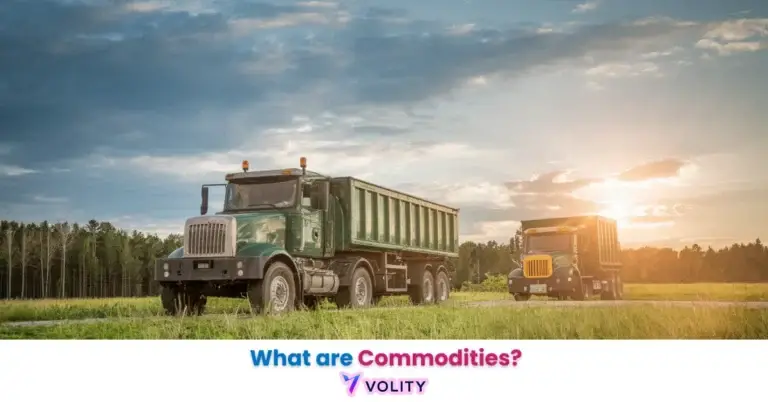
Commodities are standardized raw materials that are interchangeable with other goods of the same type, identifying the foundational inputs of the global economy. Unlike stocks or bonds, commodities represent direct ownership of tangible resources, oil in the ground, gold in vaults, wheat in elevators.
Two primary commodity classifications guide market participants. Hard commodities include energy products (crude oil, natural gas) and minerals (gold, copper, lithium) extracted from the earth. Soft commodities encompass agricultural products (wheat, cocoa, coffee) grown and harvested seasonally. The 2026 supercycle emerges from artificial intelligence infrastructure demand and the global green energy transition, driving permanent structural deficits in industrial metals. The 2026 commodity market is shaped by tight copper supply, with demand from AI data centres and grid build-out competing for output that new mine development has been slow to add. Inflation hedging provides a critical secondary rationale, commodity prices historically rise alongside consumer price inflation, protecting purchasing power when currency devalues.
The “Energy Transition” Metals: Copper and Lithium
Industrial metals identify the critical components of the global electrification movement, with copper now referred to as “the new oil” of the 2026 economy. Wind, solar and grid infrastructure are far more copper-intensive per megawatt than conventional thermal generation, which is why electrification shows up directly in refined copper demand. The International Copper Association tracks end-use demand by sector.
Copper exhibits a structural supply deficit as new mine development cannot keep pace with accelerating AI data center construction and grid modernization projects. Lithium faces similar dynamics, with EV battery demand and grid storage installation consuming available supply years into the future. The price discovery mechanism for these metals now incorporates multi-year supply scarcity, justifying premium valuations that appear extreme to observers relying on historical precedent.
Ready to Elevate Your Trading?
You have the information. Now, get the platform. Join thousands of successful traders who use Volity for its powerful tools, fast execution, and dedicated support.
Create Your Account in Under 3 MinutesCore Commodity Sectors: Energy, Metals, and Agriculture
Sectoral analysis identifies the three primary categories of commodity trading: Energy, Precious/Industrial Metals, and Agricultural Softs. Understanding this segmentation reveals which commodities respond to different macro drivers and which offer unique diversification benefits.
Energy commodities, crude oil, natural gas, and coal, respond immediately to geopolitical risk, supply disruptions, and demand shocks from economic cycles. Precious metals like gold drive higher during currency devaluation and geopolitical stress, while industrial metals like copper track economic growth expectations and technology adoption cycles. Agricultural “soft” commodities respond to weather patterns, policy changes, and regulatory pressures. How to Trade Gold as an inflation hedge demonstrates the most accessible commodity strategy for retail investors, offering both fundamental value and safe-haven characteristics. Gold set successive records through 2025 and into 2026 on central-bank buying and geopolitical risk. The benchmark itself is published daily by the LBMA Precious Metal Prices, and official-sector demand is reported quarterly in the World Gold Council’s Gold Demand Trends.
How to Trade Commodities: Futures, ETFs, and CFDs
Market access identifies the specific financial instruments, such as futures contracts and CFDs, that allow investors to speculate on commodity price movements. Each vehicle presents distinct tradeoffs between leverage, accessibility, and complexity.
Futures contracts represent the institutional standard, allowing traders to lock in future delivery prices or speculate on price movements using significant leverage. Commodity ETFs like GLD (gold), USO (oil), and DBC (diversified commodities) provide simple brokerage account access without managing physical delivery or futures roll mechanics. CFDs (Contracts for Difference) utilized on MT4/MT5 platforms offer extreme leverage and 24-hour trading but carry counterparty risk from brokers.
Worked illustration (not a record of a real trade):
Precious metals can dislocate intraday when forced covering meets thin liquidity. A trader watching that setup would define the support zone in advance, size the position so a further leg down is survivable, and set the exit before entering rather than after. The mechanism is what matters: an intraday dislocation is a liquidity event, not a change in the supply-demand balance, so the trade thesis has to be about the snap-back and not about the fundamentals. Past performance is not indicative of future results.
Key Drivers of Commodity Prices in 2026
Price volatility identifies the external factors, ranging from weather patterns to geopolitical shifts, that drive commodity market cycles. Understanding these drivers reveals why certain commodities exhibit 10-20% annual price swings.
| Commodity | Price benchmark | Primary Driver | 2026 Outlook |
| Gold (XAU) | LBMA Gold Price (USD/oz) | De-dollarization | Bullish |
| Copper (HG) | LME Copper Grade A (USD/tonne) | AI / Data Centers | Structural Deficit |
| Crude Oil (WTI) | NYMEX WTI front month (USD/bbl) | Geopolitical Risk | Moderate-High |
| Cocoa | ICE London Cocoa (GBP/tonne) | EUDR Regulation | Extreme Volatility |
| Carbon Credits | EU ETS allowance (EUR/tonne) | CBAM Implementation | Mainstreamed |
Price benchmarks per contract specification. Monthly price data for every commodity above is published in the World Bank Commodity Markets “Pink Sheet”.
The evidence reveals that 2026 commodity prices increasingly reflect long-term structural imbalances rather than short-term cyclical swings. Official-sector gold buying remains historically elevated even as it slows: the World Gold Council reports central-bank net purchases of 1,092.4 tonnes in 2024 and 863 tonnes in 2025. Energy markets stay sensitive to Middle East geopolitical risk, with escalation events feeding straight into the crude curve.
Risks and Limitations of Commodity Trading
Supply chain disruptions indicate that commodity markets are highly sensitive to sudden regulatory changes and physical delivery bottlenecks. Understanding these limitations reveals why commodities demand disciplined position sizing and risk management.
Contango and backwardation risk describes the “roll yield” effect where futures curves that slope upward (contango) force traders to sell near-term contracts and buy distant contracts at a loss repeatedly. Geopolitical risk emerged as the dominant driver in 2026, with new trade regulations (CBAM carbon pricing) causing wild cocoa and coffee price swings. Weather risk intensifies commodity volatility as crop failures or unexpected heat waves trigger supply shocks months or years into the future.
Diversification strategies that allocate 5-10% to commodities provide inflation protection without creating concentration risk. Most investors benefit from commodity exposure through diversified indexes rather than concentrated bets on individual commodities with high volatility and leverage risk.
Turn Knowledge into Profit
You have done the reading, now it is time to act. The best way to learn is by doing. Open a free, no-risk demo account and practice your strategy with virtual funds today.
Open a Free Demo AccountIntegrating Commodities into a 2026 Portfolio
Portfolio diversification represents the strategic allocation of commodities to reduce a portfolio’s overall correlation to equity market corrections. The optimal commodity allocation varies by individual risk tolerance and investment horizon.
The 5-10% allocation rule identifies that most retail investors should hold commodities representing 5-10% of total portfolio value, with the remainder in equities and fixed income. This allocation captures the inflation-hedging benefits while limiting exposure to commodity-specific crises. Commodity-linked stocks like BHP Billiton, Exxon Mobil, and Barrick Gold provide alternative exposure through equities, avoiding the complexity of futures trading.
How to Hedge Stocks with commodity allocation works through negative correlation, when equities crash on economic slowdown, bonds stabilize your portfolio and gold appreciates, creating natural rebalancing. This multi-asset approach proves superior to concentrated equity exposure in times of financial system stress.
Key Takeaways
- [Commodity trading] identifies the buying and selling of raw materials such as energy, metals, and agricultural products on global exchanges.
- [The 2026 Supercycle] is driven by a structural supply deficit in industrial metals like Copper, which are critical for AI and grid modernization.
- [Gold] serves as the primary safe-haven asset in 2026, setting record highs on sustained central-bank buying and reserve diversification.
- [Futures and CFDs] are the most common instruments for trading commodities, allowing for both long-term price locks and short-term speculation.
- [Geopolitical risk] is a major driver of commodity price volatility, especially in energy markets and agricultural sectors affected by new regulations like EUDR.
- [Inflation protection] is a hallmark of “hard assets,” as commodity prices typically rise during periods of currency devaluation and rising consumer costs.
Frequently Asked Questions
This article contains references to commodity trading, metals, energy, and Volity, a regulated CFD trading platform. This content is produced for educational purposes only and does not constitute financial advice or a recommendation to buy or sell any financial instrument. Always verify current regulatory status and platform details before using any trading service. Some links in this article may be affiliate links.