Quick answer
Forex swing trading holds currency-pair positions for days to weeks to capture larger price swings, rather than trading intraday. It needs less screen time than day trading and relies on technical and fundamental analysis to find trends and turning points. Swing traders use wider stops and accept overnight risk and swap costs, so position sizing matters.
Investing in financial products involves risk. Losses may exceed the value of your original investment.
Forex swing trading means holding a position for several days to a few weeks, looking to capture the middle 60-80% of a directional move on a currency pair. Not minutes, not months. The sweet spot is three to ten trading days. Forex swings are driven by macro flow: rate-differential shifts, carry-trade unwinds, central bank meetings, and structural USD demand. The framework is mechanical: setup, entry, stop, target, risk-per-trade.
Why swing the FX market
Three reasons swing trading fits forex better than scalping for most retail accounts:
- Spread is a smaller fraction of the move. A 1.5-pip spread on EUR/USD is 15% of a 10-pip scalp, and 1.5% of a 100-pip swing.
- Macro pays bigger. Swings ride central bank repricings, which deliver 50-300 pip moves over days, not the 5-15 pip noise of intraday flow.
- Less screen time. Daily charts. One check in the morning, one before bed. Compatible with a job.
Step 1: define the setup
Three setup families dominate swing trading flow on majors:
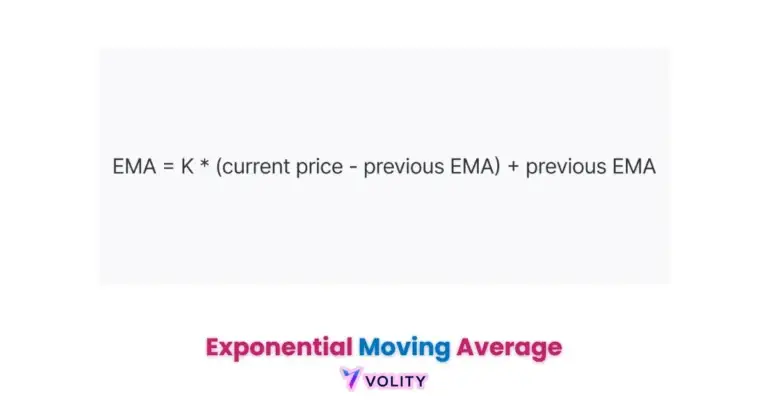
- Pullback to moving average in trend. Pair trends up on the daily, retraces to the 20-day or 50-day exponential moving average, holds, and rebuilds. Entry on the bounce confirmation candle.
- Breakout from consolidation. A 2-4 week range on the daily, then a clean break of the upper or lower band on a daily close, ideally aligned with a macro driver (rate decision, CPI print, employment number).
- Carry-driven trend. Long the high-yielder against the low-yielder when risk sentiment is supportive. Roll the position daily; the swap pays you while the trend works.
Step 2: define the entry
Two non-negotiables on a swing entry:
- Wait for the daily candle to close. Intraday wicks lie. A daily close above resistance is a different signal than a 4-hour wick.
- Pre-define the price band. If your trigger is a daily close above 1.0950 on EUR/USD, do not chase 1.0980 the next morning. The risk-reward deteriorates fast on chase entries.
Step 3: define the stop
The stop comes before the entry, not after. Three stop logics:
- Structure stop: just beyond the recent daily swing low (long) or swing high (short), plus a 10-15 pip buffer for stop-hunt wicks.
- ATR stop: 1.5-2x the daily ATR below entry. Volatility-adjusted. Useful when the chart structure is messy.
- Time stop: if the position has not moved more than 0.5R in 5 trading days, close it. Capital is rented; charge it for non-performance.
Step 4: size the position
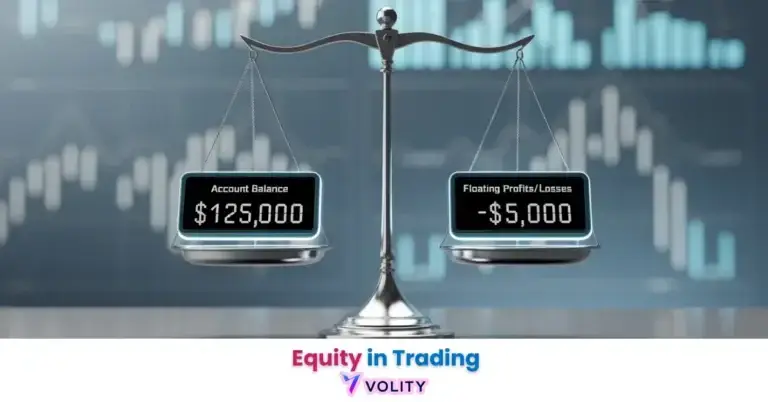
Risk no more than 1% of account equity per swing trade. Worked example: EUR 10,000 account, 1% risk = EUR 100, EUR/USD long with a 60-pip stop. Pip value EUR 9.20 per standard lot. Position size = 100 / (60 x 9.20) = 0.18 standard lots, or 18,000 units. Notional exposure EUR 18,000, leverage 1.8x. Inside the ESMA retail cap of 1:30 on majors.
Step 5: manage the trade
Three management rules that compound over a quarter:
- Never widen a stop. You can trail it tighter as the trade works. You cannot pull it further from entry.
- Take partial profit at 1R. Half off when the trade is up by your initial risk. Now the worst case is breakeven, the best case is a runner.
- Trail the runner on a daily-low basis. Move the stop to the most recent daily swing low (long) every two to three days. Let the chart tell you when the move is done.
Forex-specific watchpoints
- Swap charges. Holding a long-yielding currency against a low-yielding one earns swap. The reverse pays. A 5-day swing on a -8 pip per night swap pair costs 40 pips. Track it.
- Central bank calendar. Never enter a fresh swing 24 hours before a major rate decision unless that decision is your thesis. Spreads widen, slippage spikes.
- Friday close. Close exposure that does not have a clear edge over the weekend. Sunday open gaps eat stops.
- Correlation. Long EUR/USD and short USD/CHF is the same trade. Cap correlated open risk at 2-3% of equity.
What to track
For each trade: setup family, entry, stop, target, position size, R-multiple at exit, lesson. After 50 swings you will know which setup family pays you. Cut the rest.
Forex swing trading at Volity
Volity provides MT4 and MT5 with daily-chart tooling, custom alerts, and one-click pip-value position sizing. Retail leverage on majors is capped at 1:30 (ESMA), 1:20 on non-majors. Negative balance protection applies. Execution is by UBK Markets Ltd (CySEC 186/12). For risk framework see our forex risk management guide; for tighter horizons see our day trading material.
About Volity
Volity is your all-in-one hub for money movement, market access, and financial clarity. Trading is executed by UBK Markets Ltd, a Cyprus Investment Firm authorised by CySEC under licence 186/12.
Risk disclosure
CFDs are complex instruments and come with a high risk of losing money rapidly due to leverage. Between 70% and 80% of retail investor accounts lose money when trading CFDs.
Volity operates a trading platform and also publishes educational and analytical content about trading. The content on this page is for educational purposes only and should not be considered financial advice. Volity may benefit commercially when readers open trading accounts through links on this site.
Our content is produced and reviewed under documented editorial standards; see our comparison and review methodology.