Crypto digest: Bitcoin holds $95,000 as politics, AI and fees collide
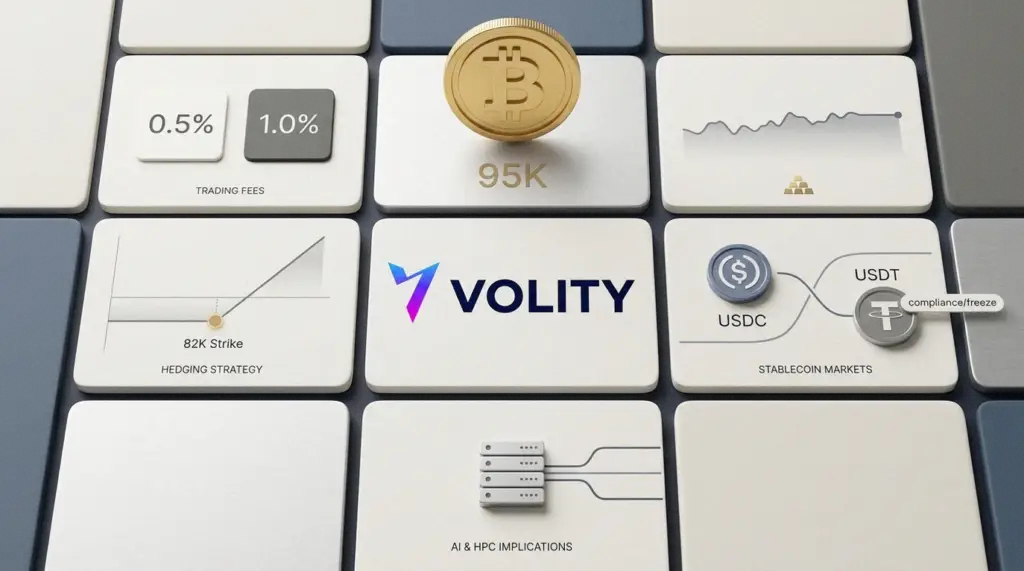
Bitcoin traded above $95,000 over the weekend, despite ETF outflows and a jumpier geopolitical tape. Reports of an Iranian strike near the Strait of Hormuz unsettled oil markets, however crypto traders mostly kept buying dips.
That calm looked striking because the usual risk gauges were already busy. The S&P 500 was quoted near 7,400, while gold lagged bitcoin by 36% since the latest Middle East escalation began. Some investors again treated BTC-USD as a geopolitical hedge, not only a speculative chip.
Still, the market did not look sleepy. Options desks showed interest around $82,000 downside strikes, suggesting traders wanted cheap air bags. Meanwhile, spot prices sat about 40% above prediction contracts that asked whether bitcoin would top $68,000. That line now looked like last week’s umbrella in bright sun.
Forecasts also grew hotter. Some crypto commentators put late-2026 bitcoin targets between $150,000 and $250,000. However, the more useful question for traders is simpler. Can ETF flows stabilise while volatility rises, or will the next rally need fresh institutional money?
Wall Street cuts the toll booth
Morgan Stanley’s E*Trade moved into crypto trading with a 0.5% fee, roughly half Coinbase’s standard retail rate. The move matters because E*Trade brings a familiar front door for mainstream investors. It also gives Wall Street another way to compress crypto’s once-fat spreads.
Coinbase, ticker COIN, now faces pressure on two fronts. First, cheaper brokers can attack fees. Second, Washington can reshape which tokens reach regulated platforms. Coinbase has pushed the Senate Banking Committee for a CLARITY Act vote next week, seeking easier rules for smaller tokens.
Meanwhile, Coinbase is also trying to be infrastructure, not just an exchange. Its x402 payments stack is being tied to Amazon’s AI-agent payments work, with USDC used for machine-to-machine settlement. If that plumbing works, bots could pay for data, compute or services without card rails.
That sounds technical, but the commercial point is plain. Stablecoins are starting to move from trading accounts into software workflows. The contest over crypto fees may soon sit beside a larger contest over programmable payments.
By the numbers
- $95,000: bitcoin’s weekend trading level, despite ETF outflows.
- 0.5%: E*Trade’s new crypto trading fee.
- $268 million: reported bitcoin ETF outflows during the latest wobble.
- $1.26 billion: Tether’s reported 2025 blacklist total.
- $82,000: a watched downside area in bitcoin options.
Stablecoins get useful, then uncomfortable
Stablecoins had another mixed week. On one side, USDC found louder uses in payments and AI commerce. On the other, lawmakers kept circling the sector’s weakest point – trust.
Senator Elizabeth Warren criticised Meta’s USDC pilot and demanded more transparency. That scrutiny followed fresh attention on Tether, which reportedly froze more than $500 million of USDT last month. Its blacklist total for 2025 was put at $1.26 billion.
Those freezes will split the market. Compliance teams may welcome faster asset blocking. However, crypto purists will see another reminder that the largest stablecoins are not cash in a mattress. They are corporate liabilities with switches attached.
Kraken also sued the chief executive of Etana Custody over an alleged $25 million theft of client funds. The case adds a familiar warning. In crypto, counterparty risk often hides in boring operational corners, not in the chart.
AI money floods the next trade
The AI boom kept feeding the crypto conversation because data centres need power, chips and payment rails. TeraWulf, ticker WULF, now makes more from high-performance computing than bitcoin mining, after leaning into AI workloads. That pivot shows how miners can reprice when they own cheap energy access.
OpenAI’s annualised revenue was said to have crossed $25 billion, with an IPO eyed for late 2026. Anthropic, meanwhile, was linked to a possible $900 billion valuation this summer. SoftBank reportedly cut an OpenAI-backed loan to $6 billion after lenders pushed back.
These numbers are enormous, even by late-cycle standards. Still, banks are behaving as if AI has moved from experiment to utility. JPMorgan has treated AI as core infrastructure, while large technology firms keep building tools into browsers, ad systems and cloud services.
However, the legal risks are also getting louder. Meta faced an unfavourable US court ruling tied to AI-enabled advertising fraud claims. Separately, complaints about Google Chrome installing a 4GB AI model raised fresh privacy worries. Investors should not assume every AI product will earn a software multiple.
Altcoins catch a bid, then meet sellers
Several smaller tokens outpaced bitcoin, though liquidity looked patchy. SIREN rose 22% before sellers appeared around $1.22. PROS jumped 48% after Upbit and Bithumb listings, a familiar Korean-exchange effect that can fade quickly.
Ondo broke above $0.30 as real-world-asset tokens regained attention. Cardano, ticker ADA, also watched the $0.30 area, while Pi Network hovered near $0.19 amid token unlock pressure. Traders should separate listing momentum from lasting demand.
Prediction markets stayed busy too. Kalshi was valued at $22 billion after a $1 billion raise led by Coatue. That valuation says something about the appetite for tradable opinions. It also says investors want venues that turn politics, sport, inflation and elections into liquid contracts.
Policy remains the awkward guest at the table. Connecticut’s SB5 AI law worried companies because of its broad compliance burden. At the same time, the Federal Reserve debate sharpened, with Senator Bernie Sanders pressing for rate cuts. A softer Fed path would likely help crypto, but timing remains the whole trade.
Key takeaways
- Bitcoin: holding $95,000 keeps momentum intact, but ETF outflows deserve attention.
- Coinbase: E*Trade’s 0.5% fee raises pressure on retail trading economics.
- Stablecoins: USDC gains payment use, while Tether freezes keep regulatory heat high.
- AI miners: WULF shows how compute revenue can alter mining valuations.
- Altcoins: ONDO and PROS have momentum, but liquidity risk remains high.
The trade now sits at an odd intersection. Bitcoin has geopolitical buyers, Wall Street has lower fees, AI firms need payment rails, and regulators want a firmer hand on the wheel. For now, that mix keeps volatility alive and keeps crypto firmly on the macro desk.
For the days that followed this E*Trade fee cut, see how spot ETF inflows pushed Bitcoin toward $81,000 and how Bitcoin then held $82,000 as US Clarity Act odds jumped. Traders looking for actionable setups during this volatility can compare eight trading strategies for the 2026 market.