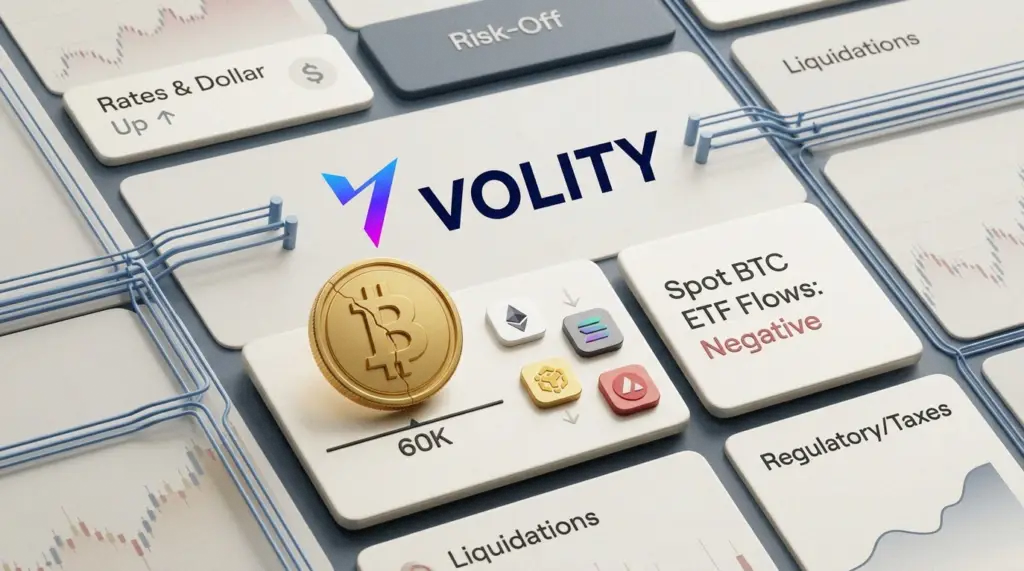
Crypto Searches for a Floor as Leverage Snaps
Crypto has entered the capitulation phase, and it has done so without much ceremony.
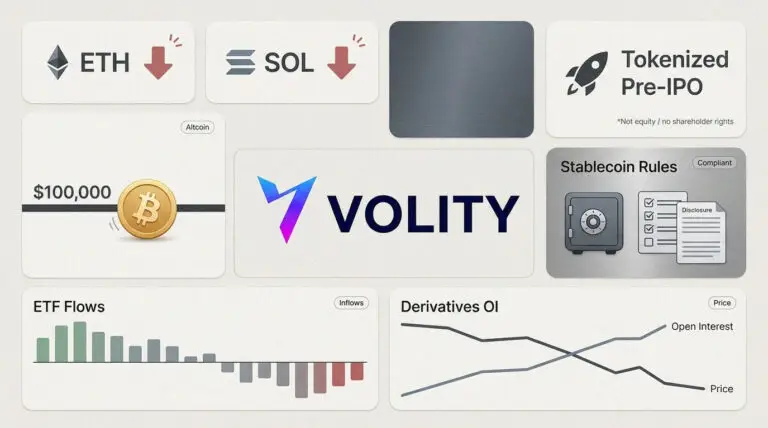
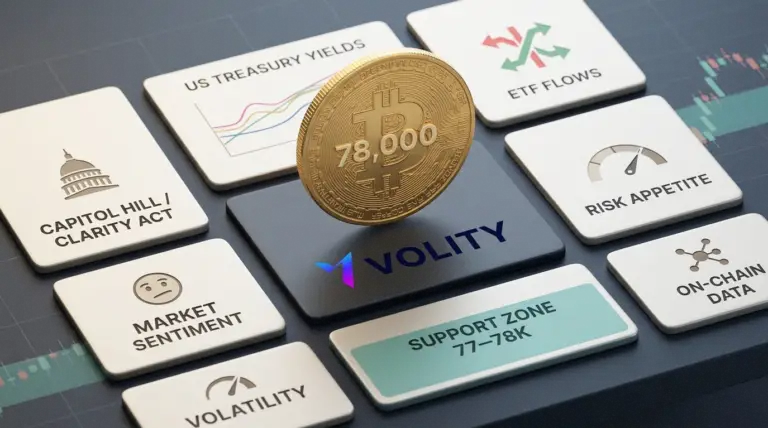
Bitcoin fell back below $60,000 after a stronger US jobs report dented hopes for quick Federal Reserve cuts. Meanwhile, Treasury yields firmed, the dollar caught a bid and risk assets lost their shine. Crypto, once again, traded less like digital gold and more like a crowded tech trade.
Spot Bitcoin ETF flows have turned negative, with BlackRock’s IBIT among the closely watched gauges of institutional appetite. That matters because this cycle’s strongest argument rested on professional demand. However, when allocators reduce risk, they usually start with the most liquid winners.
The mood has also turned political. Jim Cramer criticised Michael Saylor’s role in pulling retail enthusiasm towards Bitcoin. Saylor hit back with a call for “ideological balance” and broader adoption. Yet the tape offered a colder verdict. If Bitcoin cannot hold bid support during macro stress, traders will treat the safe-haven story with care.
Ethereum Breaks Support
Ethereum has slipped towards $1,500, a level traders had treated as a rough line in the sand. Now, that line looks porous. Chart watchers point to a failed bullish structure, with some eyeing $1,000 if forced selling accelerates.
That target may sound dramatic. Still, crypto tends to move in gaps after leverage clears. Traders are watching liquidation clusters more than elegant chart patterns.
Other large tokens look equally bruised.
- Solana (SOL) faces selling from large holders after a long run of outperformance.
- BNB is testing a key support zone, with buyers yet to show conviction.
- Avalanche (AVAX) has returned to levels last seen in early 2021.
- Dogecoin (DOGE) is flirting with a bearish head-and-shoulders pattern.
None of these moves proves a multi-year bear market has begun. However, they do show that the easy phase of the cycle has ended. Momentum now cuts both ways, and passive faith is getting expensive.
Privacy Coins Get Punished
The sharpest pain sits in the corners of the market where trust matters most.
Worldcoin (WLD) dropped more than 25% after Arthur Hayes, one of its best-known backers, exited his position. The market quickly turned a technical selloff into a referendum on the project itself. Was Worldcoin building global identity infrastructure, or was it another narrative trade with biometric packaging?
Support near $0.35 now carries symbolic weight. A clean break could deepen the sense that retail buyers are being left with the story after famous traders leave with the liquidity.
Zcash (ZEC) has suffered even more. The token fell about 50% after concerns around an Orchard circuit bug and more selling linked to Hayes. Developers moved to contain the issue, but traders showed little patience. In this tape, protocol risk does not receive a careful hearing. It gets sold first and debated later.
Cameron Winklevoss has defended Zcash and argued that the market overreacted. Even so, privacy coins face a double bind. They must satisfy users who prize secrecy and regulators who dislike it. That tension becomes harder to ignore when prices crack.
SpaceX Tokens Stir a New Trade
Even as major tokens fall, speculation has not disappeared. It has simply found a fresh costume.
SpaceX’s reported IPO ambitions and a high-profile interest in AI infrastructure have drawn attention across markets. Kraken has now offered SpaceX IPO-linked tokens, giving crypto traders synthetic exposure to a company they cannot yet buy on a public exchange.
The pitch feels obvious: fractional access, round-the-clock trading and a chance to front-run a coveted listing. However, the risks are just as plain. These instruments add counterparty exposure, valuation uncertainty and regulatory ambiguity to an already volatile asset class.
Some traders argue that money rotated from Bitcoin into SpaceX-linked speculation. That claim is hard to prove. Still, the episode highlights a larger shift. Crypto markets increasingly behave like a global casino for everything scarce, private or hard to access.
Tax Authorities Close in
Regulators are moving faster while prices move lower. That combination rarely feels pleasant.
- Greece has proposed a flat 15% tax aimed at closing its crypto reporting gap.
- Illinois has approved rules that can attach felony penalties to some evasion cases.
- Washington lawmakers are discussing clearer treatment for DeFi rewards, airdrops and DAO income.
- Brad Sherman continues to criticise stablecoin-based tax refunds as a possible evasion route.
For active traders, the message is simple. The old habit of treating on-chain gains as invisible income is becoming reckless. Exchanges, bridges and stablecoin issuers create records. Meanwhile, tax agencies are learning how to read them.
Clean books will not improve a bad entry. However, they can stop a losing trade becoming a legal problem.
Banks Keep Building
Here lies the oddity of this downturn. Token prices look fragile, yet financial plumbing keeps improving.
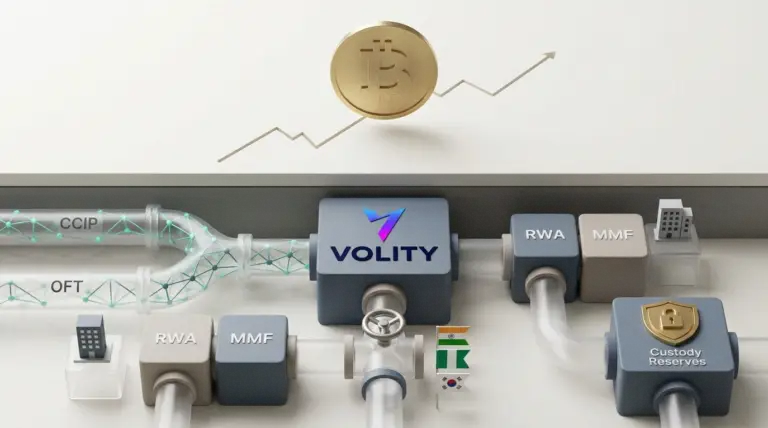
JPMorgan and HSBC have joined tokenised bond work in Hong Kong, placing serious balance-sheet assets closer to blockchain rails. Visa is testing private stablecoin settlement on the Canton Network with Brale, a structure built for institutions rather than public-chain theatre.
Grayscale continues to explore a Canton Coin ETF after a token debut on Hyperliquid. At the same time, UK regulators have warned about Hyperliquid, even as traditional exchanges study parts of its model. Securitize, backed by BlackRock, is also edging closer to a public listing.
So the split is widening. Investors are rejecting weak tokens. Meanwhile, banks and payment networks are absorbing useful tokenisation infrastructure. That is not a contradiction. It is the market separating rails from carnival rides.
DeFi Fights for Relevance
Decentralised finance has its own test. It must prove that fee generation can outlast speculative emissions.
Part of that fee generation now comes from on-chain perpetuals, where positions are margined in a dollar stablecoin rather than in the asset being traded. Our guide to USDC margin covers why that structure removes a second price risk without removing the risk itself.
Uniswap has recorded its largest UNI token burn, a move founder Hayden Adams framed as evidence of real activity flowing back to holders. That message matters in a market suddenly obsessed with cash flows, not vibes.
The XRP ecosystem is pressing a more careful argument. Banks may use the XRP Ledger for tokenisation and settlement without holding XRP as an investment. That distinction matters. Infrastructure adoption does not automatically translate into token appreciation.
Meanwhile, XRP and Stellar supporters are competing for the same broad prize: real-world assets, cross-border payments and institutional settlement. The opportunity is large. Yet token holders still need proof that value accrues to them, not merely to the network brand.
Retail Changes Shape
Retail energy has not vanished. It has moved into stranger rooms.
Pump.fun has launched GO, using gamified bounties to draw users into meme-driven activity. Polymarket has faced questions over influencer payments for prediction-market promotion. Hyperliquid continues to attract derivatives traders, despite regulatory scrutiny.
Older retail favourites look much weaker. Pi Network has touched a fresh low. Helium’s HNT remains down roughly 96% from its peak, with the resignation of long-serving chief executive Amir Haleem adding to doubts.
The lesson is not subtle. Communities can support prices for a while. Eventually, sustainable economics must arrive.
By the Numbers
- $60,000 – Bitcoin’s broken psychological line.
- $1,500 – Ethereum’s stressed support area.
- 25% – Worldcoin’s reported one-day slide.
- 50% – Approximate Zcash collapse during the latest panic.
- 15% – Greece’s proposed flat crypto tax rate.
Related coverage on Volity
- AI Stocks Today: AVGO Drops as AI Trade Spreads Beyond Chips
- Bitcoin Price Eyes $60k as Banks Build Tokenisation Rails
- Stocks to Watch: AVGO, CIEN, MARA as Clean Catalysts Win
- Bitcoin Price Dips as ETF Outflows Hit Crypto Markets
- CrowdStrike (CRWD) Leads AI Cyber Rally as Funding Risk Bites
Key Takeaways
- Respect macro first. Crypto remains highly sensitive to rates, yields and dollar strength.
- Treat support as a zone, not a promise. Forced sellers rarely respect neat chart lines.
- Separate tokenisation infrastructure from speculative tokens. Banks are building, but not buying everything.
- Reduce leverage where narratives depend on celebrity holders or thin liquidity.
- Keep tax records current. Enforcement risk is now part of the trade.
This market is not dead. It is being repriced. Impatient money is leaving, and disciplined capital is waiting with a shorter shopping list.