A stop-sell limit is a crucial order type that automatically liquidates a trading position when it reaches a specific price. This mechanism helps traders protect capital by limiting potential losses or locking in existing profits, ensuring a predefined exit strategy. Widely used across equities, commodities, and forex, it’s an essential tool for systematic risk management, especially in volatile markets.
While understanding Stop Sell Limit is important, applying that knowledge is where the real growth happens. Create Your Free Forex Trading Account to practice with a free demo account and put your strategy to the test.
Understanding Stop-Sell Limits
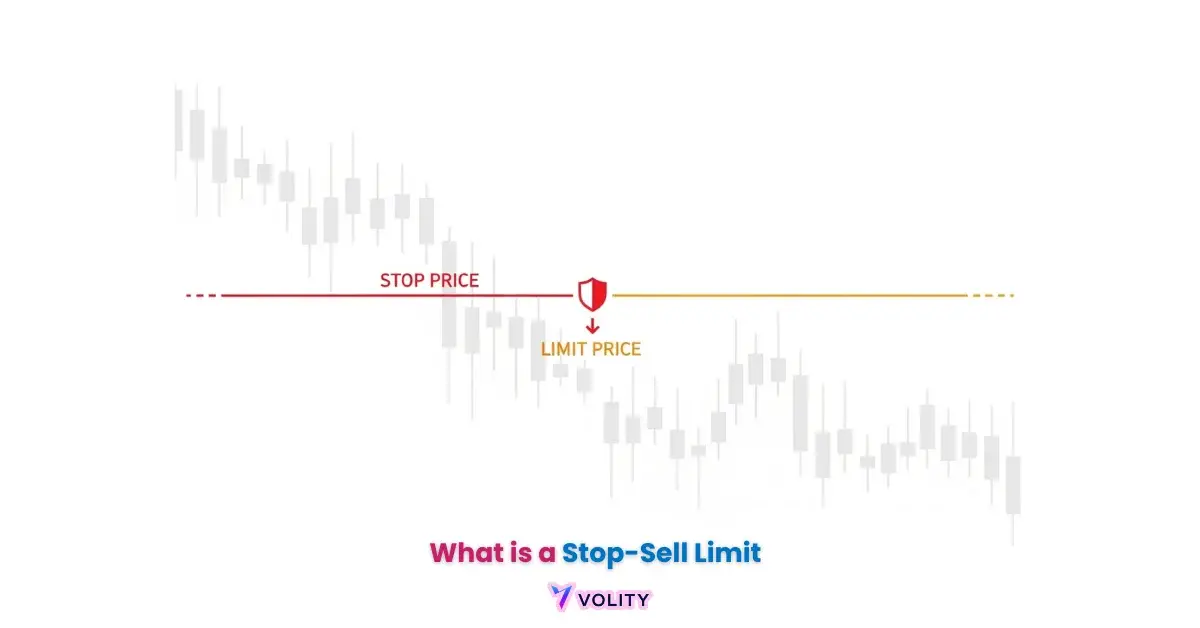
A stop-sell limit is an order placed with a broker to liquidate a position when it hits a certain value. This order helps protect traders from large losses or lock in profits. When triggered, the position is sold at the predetermined price, even if it is lower than the current market price.
Stop-sell limits are also called stop limits, executing only when the security reaches a predetermined stop price. The order activates if the price falls to or below this stop price. This helps traders manage losses and protect gains.
Stop-sell limits are widely used across markets such as equities, commodities, and forex. They are an essential part of any structured risk management approach — particularly for those involved in short-term trading or day trading where price movements can be swift and unpredictable.
When choosing a stop-sell limit, traders need to consider their risk level:
- Conservative approach — A wider stop-sell limit leaves more room for price movement but lowers the chance of being stopped out too soon.
- Aggressive approach — A tighter stop level reduces losses quickly but increases the chance of exiting a trade early.
What is an Example of a Stop-Sell Limit?
Imagine an investor bought 10 shares of Company ABC at $10.00 per share. They set a stop-sell limit of $9.50.
- If the price drops below $9.50 — The 10 shares are automatically sold, helping to limit losses.
- If the price rises to $11.00 — The investor could set a profit-taking limit, so the shares are sold automatically at that level, locking in profit.
Stop-sell limits are also helpful in broader markets such as indices, where investors can manage exposure to multiple companies within a sector at once. They’re equally valuable in derivative trading and leveraged positions where risk can escalate quickly.
Ready to Elevate Your Trading?
You have the information. Now, get the platform. Join thousands of successful traders who use Volity for its powerful tools, fast execution, and dedicated support.
Create Your Account in Under 3 MinutesHow to Use a Stop-Sell Limit
Effective use of a stop-sell limit depends on the market you’re trading in. For example:
- Commodities — Traders often set tighter stops because of high volatility in products like oil and gold. Those involved in energy trading or investing in precious metals should pay close attention to how their stop levels align with typical price swings.
- Digital assets — Cryptocurrency markets are known for sudden, sharp drops. Applying stop-sell limits is critical to protect against these moves, especially during periods of market correction.
- Forex — In global currencies, stop-sell limits help manage risk in fast-moving exchange rates, particularly when economic indicators or central bank decisions trigger volatility.
Understanding leading vs lagging indicators can also help you set more informed stop-sell levels by identifying when a trend may be losing momentum before it fully reverses.
Turn Knowledge into Profit
You've done the reading, now it's time to act. The best way to learn is by doing. Open a free, no-risk demo account and practice your strategy with virtual funds today.
Open a Free Demo AccountWhat is the Difference Between Sell-Stop and Sell-Limit?
Both sell-stop and sell-limit orders are used to control when a trade is executed, but they work in very different ways. The table below highlights the key differences.
| Feature | Sell-Stop Order | Sell-Limit Order |
| Execution Price | At or below the stop price (lower) | At or above the limit price (higher) |
| Trigger Condition | Activated if the price falls to the stop level | Activated only if the price rises and stays above the limit |
| Market Effect | Can trigger on a short dip in price | Requires sustained upward movement |
| Final Execution | May execute at the stop price or slightly lower (market liquidity affects) | Usually executes at the limit price or slightly higher (market liquidity affects) |
This distinction is especially important for those exploring price action trading, where entry and exit precision directly impacts profitability.
Bottom Line
Stop-sell limits are a fundamental tool for any trader looking to manage risk systematically. Whether you are engaged in momentum trading, swing trading, or positional trading, incorporating stop-sell limits into your strategy provides a predefined exit plan, removing emotion from the equation and keeping your capital protected.
If you’re still building your trading foundation, our guide on how to become a trader covers the essential steps to get started the right way.
Key Takeaways
- Stop-sell limits protect traders by automatically selling a position at a predetermined price.
- They are crucial for managing risk, limiting losses, and locking in profits across various markets.
- Understanding the distinction between stop-sell and sell-limit orders is vital for precise trade execution.
- Effective use depends on market volatility and aligning stop levels with your risk tolerance.