FuelCell’s AI pitch meets a difficult balance sheet
FuelCell Energy returned to focus after a fiscal third-quarter report exposed the gap between its AI ambitions and present finances.
Revenue fell nearly 30% year on year to about $33 million. Meanwhile, the company posted a loss of roughly $0.64 a share.
That result landed well below Wall Street expectations. Adjusted EBITDA also declined to about negative $36 million.
Margins remain heavily negative, partly because legacy production costs exceed prices in newer contracts. Therefore, each large promise still needs funding.
Management is selling a more ambitious future. It says data centres now represent around 97% of its sales pipeline.
The company also cites committed and awarded backlog of about $3.6 billion. That figure gives bulls something tangible to study.
However, backlog is not revenue, and revenue is not cash flow. Investors will want evidence that FuelCell can convert contracts profitably.
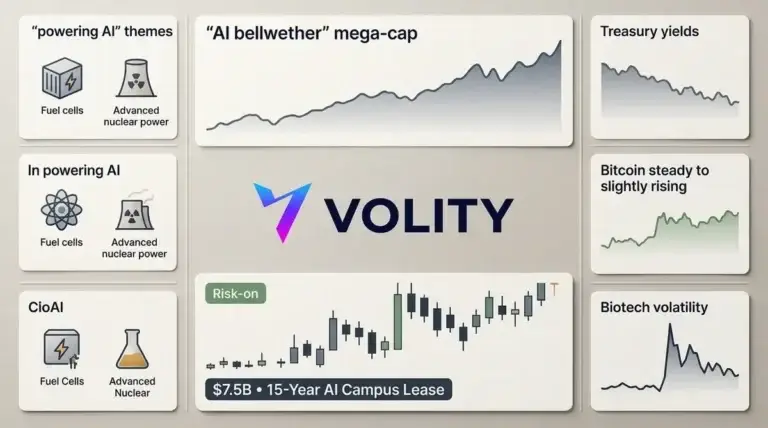
The AI power theme remains potent across markets. Yet FCEL sits in the high-beta, high-risk corner of that trade.
- Revenue: about $33 million, down nearly 30% year on year
- Loss per share: roughly $0.64
- Adjusted EBITDA: about negative $36 million
- Data-centre share of pipeline: approximately 97%
- Committed and awarded backlog: around $3.6 billion
GameStop gets another Cohen catalyst
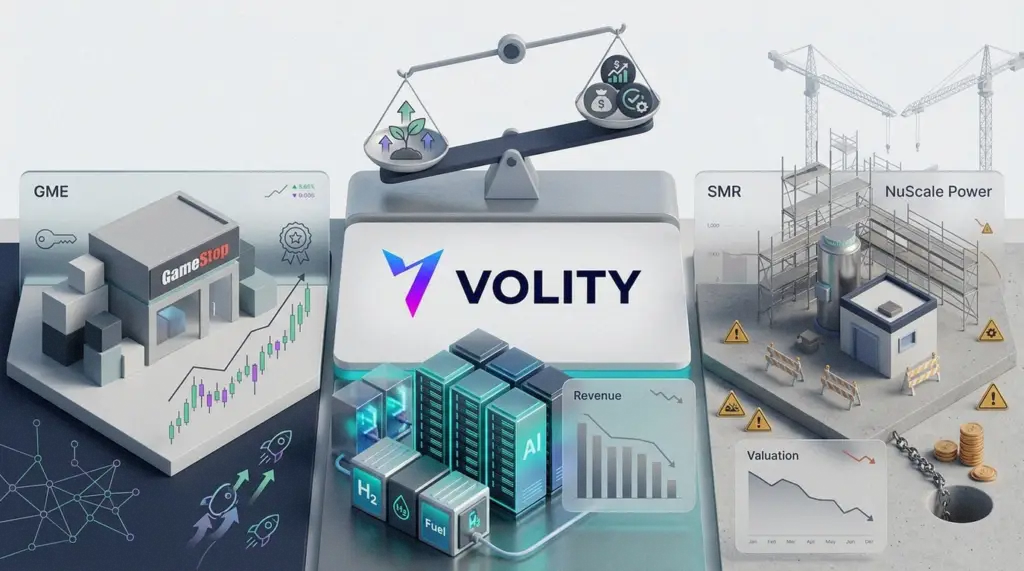
Ryan Cohen has given GameStop traders a familiar reason to lean forward. The chief executive bought 1 million GME shares on September 10.
His weighted average purchase price was about $20.38. The cash outlay came to roughly $20.4 million.
The transaction lifted Cohen’s direct holding to around 39.35 million shares. His total beneficial ownership now stands near 8.5%.
Consequently, GME rose about 4% in after-hours and early Friday trading. The move revived the old insider-confidence argument.
It is not merely a symbolic purchase. Cohen spent real cash while GameStop holds a far stronger financial position than during its meme-stock peak.
The retailer reported operating income of about $160 million in the second quarter. That marked its best second quarter on record.
Still, the stock trades on sentiment as much as operating results. Retail flows and options activity can overwhelm conventional valuation work within minutes.
Traders should therefore distinguish a catalyst from a confirmed trend. Cohen’s purchase strengthens the narrative, but it does not set a floor.
NuScale faces a harsh lesson in duration
NuScale Power dropped in premarket trading after UBS cut the small-reactor developer to Sell. The bank reduced its target price to $6 from $10.
The downgrade turns on time, capital and customer commitments. Those three variables have unsettled infrastructure investors throughout 2026.
UBS expects construction timelines exceeding five years. It also sees limited firm customer commitments behind NuScale’s projected build-out.
More importantly, the analyst expects cumulative cash burn approaching $700 million during the next three years. That estimate puts financing risk back in view.
UBS models revenue rising from about $185 million in 2028 to more than $900 million by 2030. However, it still expects negative earnings through 2030.
That is the uncomfortable arithmetic behind long-duration growth shares. A distant revenue ramp can look impressive while the funding gap keeps widening.
For SMR holders, the downgrade does not settle nuclear power’s long-term role. It does, however, put a price on delays.
Inflation steadies the wider tape
August consumer prices rose about 0.4% from July and 3.4% from a year earlier. The figures broadly matched expectations.
That outcome helped avoid an immediate macro shock. Consequently, equity futures found steadier footing early Friday.
An in-line inflation reading does not settle the Federal Reserve debate. It simply reduces the risk of a sudden repricing from an ugly surprise.
Higher rates still hurt companies whose cash flows sit far in the future. NuScale offers the clearest example in Friday’s news.
Meanwhile, FuelCell shows that investors still pay for credible AI-related optionality. They are simply becoming less patient with losses.
What matters for traders
- GME: Cohen’s $20.4 million purchase may keep volume and options demand elevated.
- FCEL: Watch contract conversion, project margins and cash consumption, not only data-centre pipeline claims.
- SMR: The $6 UBS target highlights dilution and execution risk in long-cycle nuclear projects.
- Rates: In-line CPI supports risk appetite, although future inflation readings still matter more than one quiet month.
Friday’s tape offers a useful sorting exercise. Near-term cash flow is gaining value, while distant promises require much harder proof.
Related coverage on Volity
- What Is a P/E Ratio and How to Use It
- Fundamental Analysis in Stock Trading: A Working Definition
- Growth Investing vs Value Investing: Which Style Fits You?
- Fractional Shares Explained: How to Start Investing With $50
- How to Start Stock Trading: A 2026 Beginner Guide
- Dividend Investing for Beginners: How to Start