The CPI shock has rewritten the market’s playbook
Wall Street got the number it did not want, and perhaps the one it needed.
Consumer prices rose 0.6% in September, lifting annual inflation to 3.7%.
Economists had expected a 3.6% annual reading.
Core CPI rose 0.3% during the month and 2.6% from a year earlier.
Those figures also exceeded forecasts, puncturing hopes for an easy path towards lower interest rates.
The report did not trigger a fresh market crash. Instead, it reset the terms of the debate.
Inflation has slowed dramatically from its 2022 peak. Yet it has not agreed to leave quietly.
Treasury yields jumped after the release, while Nasdaq futures, gold and Bitcoin fell.
The move followed a familiar script. Higher yields reduce the appeal of distant profits and non-yielding assets.
Markets had leaned towards a gentler rate outlook. The September reading revived the higher-for-longer trade.
Investors now face a harder question. Can corporate earnings grow quickly enough to offset rising discount rates?
Growth stocks face a sharper test
The equity market is not one trade. It contains businesses with very different exposures to rates and demand.
That split leaves the Nasdaq-100 tracker QQQ more exposed than the Dow-focused DIA.
Technology companies can remain excellent businesses during inflationary periods. Their valuations, however, often depend on profits expected years ahead.
Higher bond yields make those future earnings worth less in today’s money.
The S&P 500 tracker SPY sits between the two camps. It holds technology giants, industrial firms, energy producers and defensives.
A hot CPI print does not automatically make SPY bearish. It does raise the standard for further gains.
Relative performance now matters more than broad market confidence.
If QQQ lags DIA, investors may be rotating towards value, dividends and nearer-term earnings.
If QQQ holds firm as yields rise, buyers may still trust artificial intelligence and cloud spending to overpower the macro drag.
Neither outcome deserves blind faith. Price action must settle the argument.
Bonds, gold and Bitcoin lose easy shelter
The sell-off in Treasuries, gold and Bitcoin showed how one release can redraw the risk map.
Gold fell as yields climbed, placing immediate pressure on an asset that pays no income.
Long-duration Treasury funds such as TLT faced an even clearer problem.
Newly issued bonds become more attractive when investors expect higher rates. Existing lower-coupon bonds then lose value.
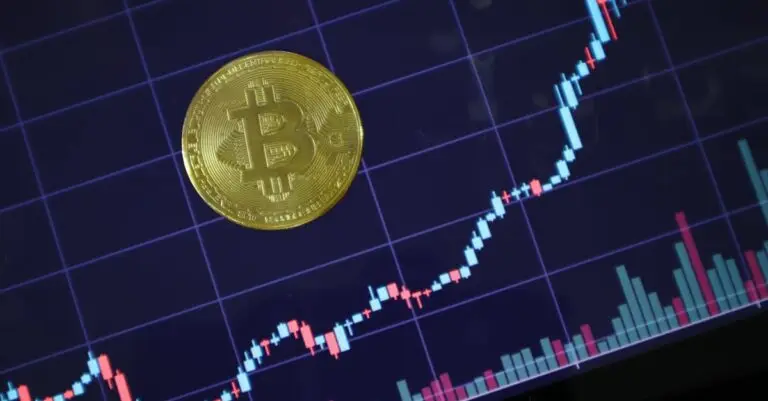
Bitcoin dropped by roughly $1,000 within minutes before finding some stability.
The move did not disprove Bitcoin’s long-term case. It did underline its sensitivity to liquidity, real yields and risk appetite.
GLD, TLT and Bitcoin now form a useful rates-sensitive basket for traders.
Continued yield gains would probably weigh on all three. A meaningful yield reversal could produce equally sharp rebounds.
One red candle means little on its own. Traders should watch whether yields make higher highs as these assets fail to recover.
Energy gets support, but refiners look crowded
Energy adds a complication to the inflation picture.
Higher fuel costs helped lift headline CPI. They can also support revenue at oil producers and integrated energy companies.
Companies with production, refining operations and strong cash flow may weather the shift better than long-duration growth stocks.
Still, refiners can become crowded trades when momentum accelerates.
CVR Energy, HF Sinclair and Phillips 66 demand discipline after strong runs.
A high relative strength index can show a stretched share price. It does not create an automatic short sale.
Strong trends often remain overbought longer than impatient traders expect.
A cleaner bearish signal would include a failed breakout, a lower high or a decisive loss of support.
Until then, strength remains strength, even when it feels uncomfortable.
Selective setups replace blanket calls
This market rewards watchlists built around confirmation rather than slogans.
Johnson & Johnson may draw buyers near technical support. Support only matters if the shares hold it and form a higher low.
Domino’s Pizza presents a different puzzle. A company can beat quarterly estimates while analysts cut future price targets.
That combination can signal good execution today and greater concerns about valuation or demand tomorrow.
JPMorgan also belongs in the mixed category. Higher targets cannot erase an earnings disappointment or weakening credit trends.
Loan growth, credit quality and management guidance matter more than a cluster of optimistic analyst notes.
Meta Platforms and Albemarle require similar caution. Target prices are forecasts, not trading signals.
Meta depends on advertising demand, spending discipline and returns from artificial-intelligence investment.
Albemarle remains tied to lithium prices, supply additions and electric-vehicle demand.
Catalysts need evidence
Some tempting stories sit in the market’s most volatile corner.
GameStop insider purchases could matter, but investors need confirmed filings, transaction prices and ownership details.
Insider buying is a reason to investigate. It is not a complete investment case.
An Enovix order announcement could validate battery demand. Investors still need the customer, order size, delivery dates and margin terms.
CoreWeave may benefit from AI infrastructure spending. Yet an OpenAI revenue headline does not automatically become cash flow.
Signed contracts, backlog, installed capacity and free-cash-flow progress carry more weight.
Take-Two Interactive faces a related test. A major game release can command attention, but launch dates can move.
Bookings, player engagement and execution offer a sturdier thesis than a calendar countdown.
Thinly traded resource shares require the strictest standard. Large premarket moves can reflect news, rumours, sparse liquidity or wide spreads.
Without confirmed disclosures and dependable prices, precise targets become theatre.
The new rule is simple: prove it
- QQQ: Growth must show it can withstand higher yields.
- TLT and GLD: Sellers must show signs of exhaustion before a durable rebound.
- Energy: Cash flow matters more than momentum alone.
- AI infrastructure: Bookings and recurring revenue matter more than theme-driven headlines.
The CPI report has not killed equities, technology or crypto. It has raised the price of certainty.
A mildly defensive stance makes more sense than reflexive pessimism.
Favour relative strength, wait for confirmation and reduce exposure when liquidity vanishes.
The market still pays for growth. It no longer accepts every promise at yesterday’s price.
Related coverage on Volity
- What Is a P/E Ratio and How to Use It
- Fundamental Analysis in Stock Trading: A Working Definition
- Growth Investing vs Value Investing: Which Style Fits You?
- Fractional Shares Explained: How to Start Investing With $50
- How to Start Stock Trading: A 2026 Beginner Guide
- Dividend Investing for Beginners: How to Start