Investing in financial products involves risk. Losses may exceed the value of your original investment.
Bitcoin price falls is a core topic for traders in 2026. The complete guide follows.
Bitcoin’s tumble, altcoins follow: The rate cut paradox
On the last Thursday of October 2025, the digital markets faced a frigid chill, far removed from Halloween thrills. Central banks, ETF tremors, and unpredictable headline events loomed large. Traders, hold tight: here’s your cutting-edge pulse across crypto and Wall Street.
Fed’s rate cut triggers a crypto sell-off. not a rally
The Federal Reserve’s latest quarter-point rate cut. the second this year. rippled across both traditional and digital assets. However, instead of igniting Bitcoin and Ethereum, it triggered a wave of selling pressure. Bitcoin swooned, dragging altcoins down and painting price tickers red for hours.
- Bitcoin dropped swiftly after the announcement. Analysts say this could be a classic case of “buy the rumor, sell the news.” With the rate cut widely anticipated, it lacked a dovish forward signal.
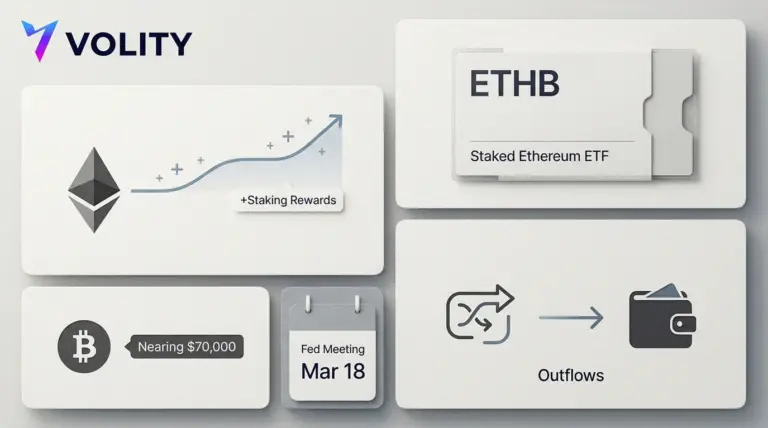
- Ethereum followed suit, slipping below $4,200. Investors shifted capital into cash or sought safer assets amidst the ETF outflows.
Both Wall Street and the crypto arena now share a singular sentiment: uncertainty reigns. According to analysts, even major institutional players are reconsidering whether Bitcoin-backed credit is a wise portfolio addition, following S&P’s milestone rating for a Bitcoin treasury company.
Fed chair contenders endorse Bitcoin: Mining fever on Ethereum Classic
In a twist, every major Federal Reserve Chair candidate has expressed support for Bitcoin integration into the economy. This unexpected consensus has ignited a gold rush. but not exclusively on Bitcoin’s blockchain. Ethereum Classic (ETC) mining has surged, with hashrates rising sharply as miners seek new profits amid potential pro-Bitcoin monetary policies.
Beyond Bitcoin: Hot moves in the altcoin ecosphere
- Solana: Following the launch of the first Solana ETFs, predictions for SOL’s market cap have surged. Some analysts project a staggering $6 billion ETF inflow by year-end, even as Solana’s price flirts with the $200 breakout point, creating FOMO across social media.
- XRP: Interest in XRP is on the rise, driven by new mining and payment programs. Price forecasts are becoming increasingly ambitious as liquidity shifts from riskier to more “enterprise-ready” tokens.
- Zcash: The privacy coin Zcash hit a remarkable seven-year high at $370, hinting at institutional adoption and regulatory clarity breathing new life into privacy coins.
- Pi Network and Linea: Both faced abrupt rejections at key resistance levels, demonstrating the divided opinions among retail and institutional investors regarding their immediate future.
Stablecoins and geopolitics: Asia and Latin America deploy digital currency strategy
- Bank Indonesia disclosed plans for a national stablecoin, signalling a shift in traditional central banking’s view on programmable money as a means to enhance global competitiveness.
- Brazil’s central bank is hastening preparations for a government Bitcoin reserve, potentially paving the way for monetary reform in Latin America, especially given ongoing currency volatility.
Wall Street and Main Street: Partnerships, IPOs, and regulatory drama
- BNY Mellon and Securitize have teamed up to launch a tokenized fund backed by AAA-rated credit, highlighting a significant move towards mainstream blockchain finance.
- ConsenSys, known for Metamask, has enlisted Wall Street giants JPMorgan and Goldman Sachs for its forthcoming IPO, a decisive moment for both institutional DeFi and regulatory scrutiny.
- Mastercard is reportedly eyeing a $2 billion acquisition of Zerohash, placing a strategic bet on the infrastructure underpinning stablecoins and digital asset transfers.
Artificial intelligence: Blockchain’s new chess player. but still flawed
The intersection of AI and crypto is getting an upgrade. Start-up Avalon is building an AI-driven real-world asset marketplace on BNB Chain. Nevertheless, critics are raising concerns about AI’s ability to distinguish fact from noise, cautioning against the risks when machine-learning models drive critical decisions, trades, and even regulations that may blur the lines of truth.
Key trends for Volity’s watchlist
- ETF flows: Both Bitcoin and Ethereum ETFs have ended their four-day inflow streak; outflows indicate a search for new narratives and safer options.
- Mining sector transformation: The surge in ETC mining is a direct result of Fed signals and regulatory support.
- Tokenization of traditional assets: Players like BNY Mellon and Securitize are betting on the transition of traditional bonds into digitised tokens, a trend poised to accelerate as rates diverge globally.
- Stablecoin geopolitics: Central banks are transitioning from pilot schemes to launching national stablecoins, significantly impacting cross-border payments.
- AI-powered trading and infrastructure: The popularity of decentralized AI platforms on TON and Hedera is rising, though glaring blind spots in machine judgment remain a concern.
And finally: Volity’s flyby for the day
- SpaceX discreetly transferred another 281 BTC among its wallets, igniting speculation on corporate treasury strategies in an evolving digital asset landscape.
- Memecoins made headlines again, with Ethereum founder Vitalik Buterin offloading for $14,000, reminding us that opportunistic profit-taking knows no bounds.
Today’s drama: A central bank plot twist, wild altcoin swings, and institutions laying the groundwork for tokenised credit. In this landscape, every day feels like an opening night.
For more on this topic see our deep-dives on Bitcoin Bollinger Band Squeeze: Reading Volatility Compression in BTC, Bitcoin ETF Flows and the Crypto Outlook: What Traders Watch, and Bitcoin Pulls Back as Hayes Rotates Into DeFi Yield Tokens.
By Volity Editorial, Volity research desk.
What our analysts watch: Three reads anchor a serious post-FOMC crypto view that filters retail-feed noise. Net spot-ETF flow in the 48-hour window after each rate decision tells whether institutional positioning is leaning in or unwinding into the move, and the BTC and ETH ETF prints have diverged more than once across the 2025 cut sequence. Stablecoin supply expansion against exchange net-inflow data signals where the dry-powder cohort is sitting, with USDC and USDT issuance functioning as a leading indicator for the next leg of accumulation. And altcoin breadth metrics (the share of the top-100 altcoins outperforming Bitcoin on a rolling 30-day basis) flag genuine rotation versus narrative-driven single-name pumps that fade inside the same week.
Frequently asked questions
How does the Federal Reserve frame the recent rate-cut sequence?
The Federal Reserve monetary policy hub publishes the FOMC statement, dot plot, and post-meeting press-conference transcript that institutional desks parse for forward-guidance signal. The structural read for crypto traders: rate cuts that arrive at fully-priced expectations behave differently from rate cuts that surprise the consensus, and the October 2025 print sat at the upper end of pre-meeting probability distributions, which is precisely the regime where “sell the news” reactions dominate the first 48-hour window.
What does CoinDesk publish on post-FOMC crypto behaviour?
The CoinDesk markets coverage hub tracks BTC and ETH price action, derivatives-positioning metrics, and ETF flow data through every FOMC window, with regular columns dissecting the gap between the macro narrative and the actual flow tape. The practical implication for active traders: the 30-minute window around the FOMC statement is dominated by algorithmic rebalancing and futures-basis adjustment, and durable directional moves typically emerge in the second 24-hour window once the post-meeting press conference and dot-plot context are absorbed by institutional desks.
How does the FCA framework apply to retail crypto-CFD trades through Fed events?
The UK FCA framework for CFDs applies leverage caps (2:1 on cryptocurrency CFDs for retail clients in the UK and EU under the equivalent ESMA framework), mandatory negative-balance protection, segregated client funds, and standardised risk warnings across all retail trades. The structural implication for traders positioning into FOMC: gap risk on Bitcoin and major-altcoin CFDs widens materially in the 30-minute statement window, and conservative retail position sizing inside the regulated leverage cap defines whether the account survives an adverse macro print. Volity, accessed via UBK Markets under CySEC licence 186/12, applies the full ESMA retail framework with segregated client funds.
Related guides
Volity operates a trading platform and also publishes educational and analytical content about trading. The content on this page is for educational purposes only and should not be considered financial advice. Volity may benefit commercially when readers open trading accounts through links on this site.
Our content is produced and reviewed under documented editorial standards; see our comparison and review methodology.