Crypto market’s late-summer reset: bitcoin steadies, ether lags, and Wall Street keeps coming
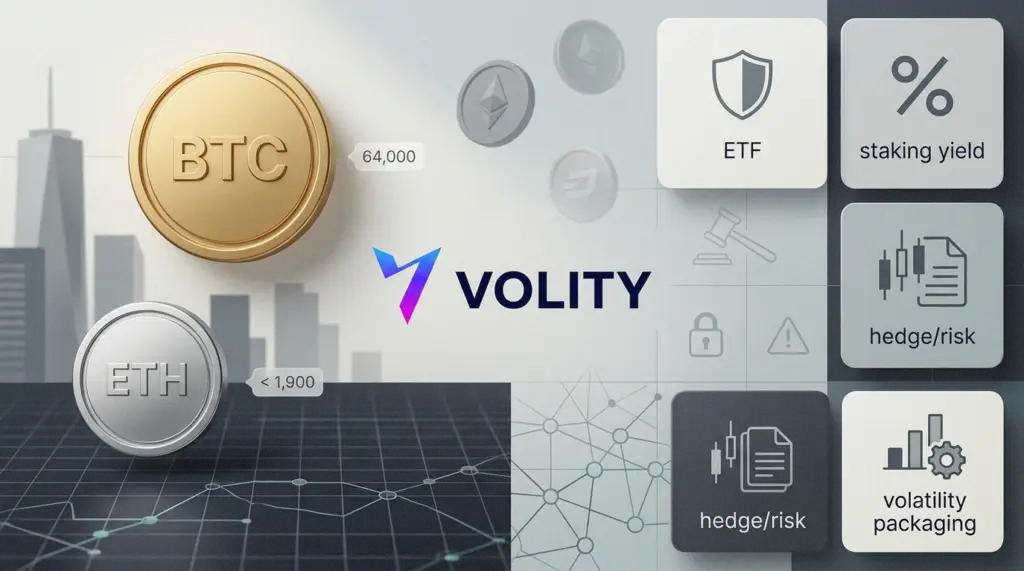
The crypto tape has turned oddly tidy. Bitcoin is holding near $64,000, ether is hovering below $1,900, and Wall Street keeps adding pipes, wrappers and custody tools. However, the mood is not quite bullish. Regulation, security scares and patchy liquidity are doing as much work as the macro calendar.
Bitcoin was recently quoted around $63,768, after a session that looked more like a Treasury market shrug than a crypto sprint. Meanwhile, ether changed hands near $1,886.51, sitting in a rough band between $1,850 and $1,920. That gap matters. Bitcoin has become the market’s reserve asset. Ether, for now, must keep explaining its story.
After the latest inflation data, bitcoin briefly caught a bid. Yet the follow-through faded quickly. The old trade looks weaker: softer inflation, buy bitcoin, repeat. Macro still matters, of course. But crypto no longer behaves like a clean inflation surprise machine.
Market pulse
Bitcoin’s resilience near the low $63,000s to mid $64,000s suggests buyers are still defending the range. However, they are not chasing strength with much urgency. Volumes feel more selective, and the market is waiting for a cleaner catalyst.
Ether looks more complicated. It has underperformed bitcoin on price, even as it dominates the product conversation. That split is important for traders. Price traders see a laggard. Product teams see a yield platform with a large addressable market.
Meanwhile, altcoins are offering little broad encouragement. The market favours liquidity, recognisable tickers and instruments that institutions can explain to committees. In that setting, bitcoin remains the easiest yes.
Wall street keeps building
The largest structural story is still institutional adoption. Goldman Sachs agreed to buy ETF manager NEOS for $2.25 billion. The deal includes exposure linked to about $1 billion in a bitcoin covered-call fund.
That is not just another asset-management bolt-on. It gives Goldman an immediate position in crypto-linked ETF income products. It also shows where the next race may sit. Plain spot exposure was the first round. Income, options and packaged volatility may be the next one.
Fidelity is pushing in the same direction from a different angle. The firm has filed to let its Ethereum ETF stake up to 100% of its ETH. It also wants to distribute staking rewards to holders as quarterly cash.
The proposal still needs SEC approval. Still, the direction is clear. Investors do not want crypto products that merely sit there. Increasingly, they want products that pay, hedge or transform risk.
Charles Schwab has also reportedly added bitcoin and ether trading to its $13 trillion platform. Meanwhile, Copper is expanding in the United States with regulated custody and trading services. Those are dry plumbing stories, but traders should not ignore them. Better plumbing often comes before deeper liquidity.
Ethereum is the quieter battleground
Ether is not winning the morning tape. However, it may be winning the institutional design contest. One report showed ether ETFs beating bitcoin ETFs for the first time in a month, with about $365 million in ETH-related inflows.
That does not mean investors have abandoned bitcoin. Instead, it points to a narrower rotation. Some allocators already own the bitcoin trade. They are looking for the second layer: staking, decentralised finance exposure and token revenue.
For now, traders should treat ETH less like a momentum rocket and more like a funding base. Its upside case rests on product approvals, fee economics and staking design. However, its downside still looks familiar: weak risk appetite and disappointment on regulation.
Regulation moves to the front seat
Regulators are no longer working at the edge of the market. They are now shaping its lanes. Monaco is moving towards a MiCA-aligned framework, while the United States and Britain have outlined a crypto pact. The pact sets direction, though it does not create binding rules.
In Washington, the SEC’s reported 400-page crypto proposal is being read as a major reset. The focus includes token exemptions and safe-harbour style treatment. However, the market will care less about page count than enforceable detail.
Meanwhile, the banking-access fight is still alive. The Blockchain Association is pressing for review of Custodia Bank’s master-account denial. That battle matters because crypto firms still need reliable access to dollars.
Retail protection is also hardening. Arizona now lets crypto ATM scam victims seek reimbursement. Hawaii will ban crypto ATM cash deposits from October 1. Separately, officials there are moving against crypto ATMs and trading terminals from the same date.
That shift is revealing. Regulators increasingly see kiosks not as neutral infrastructure, but as tools scammers can exploit. Expect more state-level action before federal rules settle.
Security is still the industry’s tax
Security headlines remain the sector’s permanent drag. Trezor said a ShipMonk breach exposed data belonging to 13,689 customers. Meanwhile, a newly described “Zoomsday” exploit raised concerns about zero-click attacks against crypto users.
There are also fresh worries around self-custody. Coldcard-related concerns were said to expose $116 million in risk. Hardware wallets reduce certain dangers. However, they do not remove operational mistakes, supply-chain exposure or social engineering.
South Korea delivered a sterner reminder. A court reportedly sentenced the Delio chief executive to 15 years over a $49 million crypto fraud case. At the same time, the country is tightening transfers to overseas exchanges.
For traders, these stories can feel far from the screen. Yet they affect spreads, custody rules and investor willingness to allocate. In crypto, security news often becomes liquidity news.
By the numbers
- $63,768 – bitcoin’s recent quoted level after a subdued session.
- $1,886.51 – ether’s recent level, with intraday trade near $1,850 to $1,920.
- $2.25 billion – Goldman Sachs’s agreed purchase price for NEOS.
- $365 million – recent ETH-related ETF inflows in a stronger month for ether products.
- October 1 – Hawaii’s start date for banning crypto ATM cash deposits.
Other moves worth watching
- Solana stayed online even as 102 of 699 validators stopped voting.
- Binance bStocks reportedly crossed $610 million, overtaking xStocks within two months.
- Metaplanet launched BitBonds with a ¥200 million private sale.
- BitGo reported Q2 revenue of $4.3 billion, but still posted a $19 million loss.
- Mirae Asset injected fresh capital into Korbit after its takeover.
Key takeaways
- Bitcoin’s range near $64,000 remains the main risk barometer.
- Ether needs staking and ETF headlines to offset weak spot momentum.
- Institutional product launches favour liquid, regulated exposure over speculative tokens.
- ATM restrictions and custody breaches may keep retail sentiment cautious.
- Security headlines remain tradable when they affect exchange flows or custody confidence.
The market is split between two forces. Wall Street is building patiently, and regulators are tightening the bolts. Meanwhile, traders are watching bitcoin’s range and ether’s lag for the first real sign of a September trade.
Related coverage on Volity
- How to Avoid Crypto Scams: A Beginner Safety Checklist
- How to Choose a Trading Platform: A 10-Point Checklist
- Demo vs Live Trading Account: A 7-Step Checklist Before You Go Live
- How to Size a Trade: Position Sizing and Risk Per Trade for Beginners
- Risk-Reward Ratio Explained: How to Set It and Why It Matters
- ETF vs Index Fund: The Difference and Which to Pick