Crypto markets enter November with Binance under siege and Bitcoin searching for footing
November opens with crypto traders weighing a modest price rebound against a painful test of exchange security. Bitcoin recovered towards $78,000 after falling 7.3% in October. Ether rose above $2,260, while XRP held near $1.25.
Prices have steadied, but confidence remains brittle. The market now faces a larger question: can investors trust the platforms holding their coins?
Binance restores withdrawals
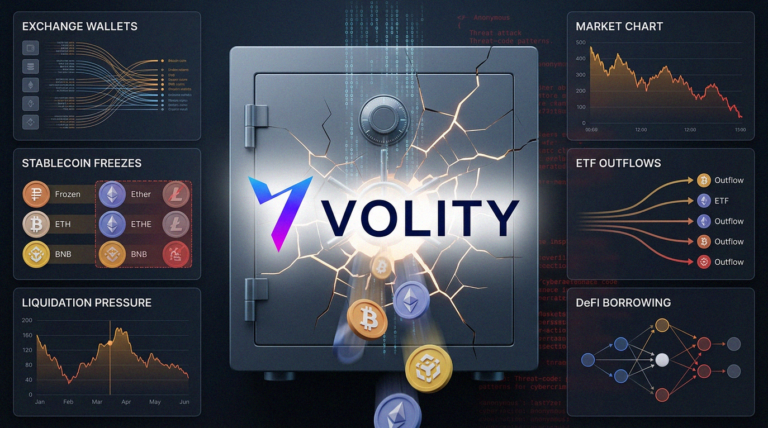
Binance began restoring withdrawals on Sunday after hackers stole roughly $6.3 billion in digital assets. The theft ranks as the largest reported crypto heist.
Bitcoin withdrawals returned first. Selected transfers of Ether, BNB, USDT and USDC followed across supported networks.
The exchange says corporate reserves, its Secure Asset Fund for Users and futures insurance funds cover 90% to 95% of affected assets. Binance has also pledged to absorb customer losses rather than impose account-holder haircuts.
Yet the reopening remains partial. Some transfer routes remain restricted as security teams examine the breach and rebuild controls.
Investigators believe hackers exploited an internet-connected hot wallet and bypassed established approval procedures. That combination turned a familiar vulnerability into a multibillion-dollar failure.
North Korean group faces blame
The FBI has attributed the attack to TraderTraitor, a North Korean-linked hacking group. The group has also been associated with the $1.5 billion Bybit theft.
Investigators say the stolen holdings were converted largely into Ether. The attackers then moved funds through decentralised-finance services and instant-swap platforms.
Blockchain analysts have tracked large transfers from wallets connected to the theft. One cluster moved nearly 971,000 SOL, valued near $95.9 million.
About $46.4 million of that sum headed towards Bitcoin conversions through Relay Protocol. The transactions show how quickly stolen assets can cross networks and change form.
The ledger remains public, but recovery becomes harder with every bridge, swap and intermediary wallet. Freezing assets requires speed, co-operation and a little luck.
Bitcoin finds buyers, but not conviction
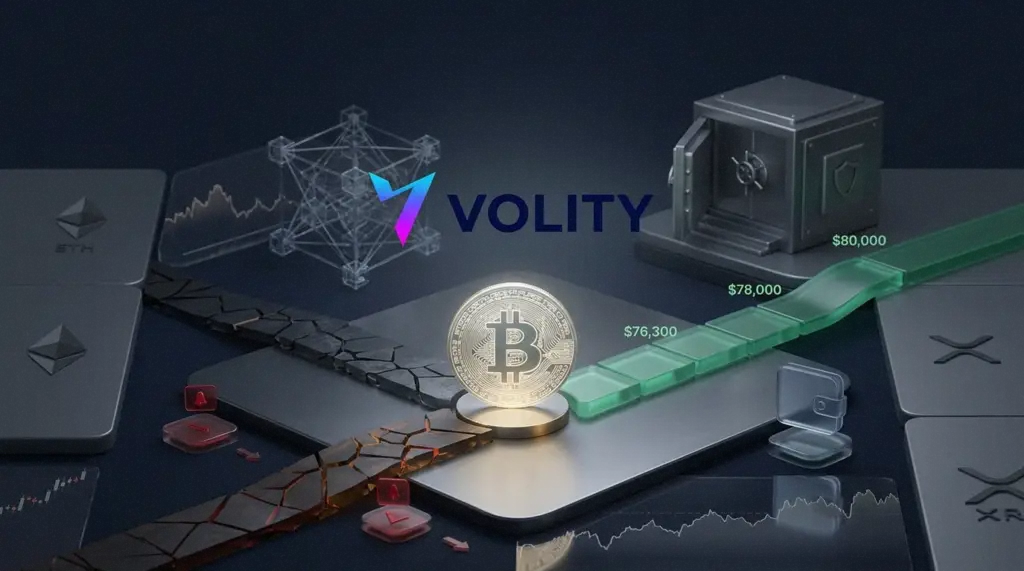
Bitcoin briefly slipped to about $76,300 during the initial selling. It later stabilised around $77,800 as traders judged Binance capable of meeting customer obligations.
Ether fell to roughly $2,178 before recovering near $2,268. XRP, often vulnerable during exchange stress, stayed close to $1.25.
That resilience matters, although it does not settle the wider concerns. Traders still want evidence on reserve liquidity, wallet security and the exchange’s ability to halt stolen funds.
October had already left Bitcoin bruised. The token closed the month well below its opening level near $83,550.
US spot Bitcoin exchange-traded funds added another source of pressure. Those products reportedly suffered $643 million in outflows during their largest daily withdrawal since June.
Institutional appetite has not disappeared entirely. Earlier in the week, the same funds drew $440.8 million of net inflows.
The conflicting flows suggest buyers remain willing to purchase weakness. Still, they appear less patient and more sensitive to bad news.
- Bitcoin: $78,000 is the immediate line traders are watching.
- Downside level: A break below $76,300 would revive attention on October lows.
- Ether: $2,300 remains the first recovery target after the sell-off.
- ETF flows: Daily inflow data may now move sentiment more than forecasts.
Ether becomes both conduit and trade
Ether’s recovery has been one of the session’s stranger features. It sat at the centre of the investigation, yet its market held up better than expected.
Part of the move may reflect positioning rather than fresh conviction. Traders often buy heavily sold liquid assets once forced selling slows.
However, hacker-linked wallets could create fresh volatility if they continue using Ether as an intermediary currency. A price bounce should not be mistaken for clean organic demand.
Liquidity has also returned to ETH markets because investigators are watching those transfers closely. Attention can support trading volumes, but it cannot remove selling risk.
Trust becomes the trade
The Binance breach has revived crypto’s oldest custody argument. Investors want exchange convenience, but they also fear another withdrawal freeze or security lapse.
Self-custody removes some exchange risk, though it shifts every operational responsibility to the holder. A leaked seed phrase or compromised phone can empty a wallet just as effectively.
For active traders, the practical response need not be dramatic. It should be deliberate.
- Keep only active trading capital on an exchange.
- Store longer-term holdings in hardware wallets.
- Use separate devices for trading and transaction signing.
- Check wallet addresses and transfer networks manually.
- Treat emergency support messages and recovery offers with suspicion.
Three tests for the week ahead
Bitcoin now needs ETF demand to return if it is to challenge $80,000. Binance needs to show that restored withdrawals remain smooth and fully funded.
Investigators, meanwhile, need to prevent stolen assets from slipping through further swap routes. Each successful freeze would ease fears around the exchange.
For now, this looks less like a full panic than a nervous negotiation. Buyers are defending the high-$76,000 area, while Ether is again probing $2,300.
Still, every rally carries the same qualification. Crypto is trading on liquidity and momentum, but also on confidence in the machinery moving the money.
Related coverage on Volity
- How to Avoid Crypto Scams: A Beginner Safety Checklist
- How to Choose a Trading Platform: A 10-Point Checklist
- Demo vs Live Trading Account: A 7-Step Checklist Before You Go Live
- How to Size a Trade: Position Sizing and Risk Per Trade for Beginners
- Risk-Reward Ratio Explained: How to Set It and Why It Matters
- ETF vs Index Fund: The Difference and Which to Pick