Market bounces, but traders still need proof
Wall Street found some oxygen on Monday, although nobody mistook it for a victory lap.
Major exchange-traded funds rose, volatility eased and battered market corners attracted buyers.
Still, the session looked like a bounce rather than a durable turn.
SPY gained about 0.9% to trade near $741.68. QQQ rose 0.9% to $661.99.
Meanwhile, DIA climbed 1.23% to roughly $518.51, outperforming the broader benchmarks.
Gold joined the advance, with GLD near $377.87. Long-dated Treasuries remained weak, with TLT around $82.24.
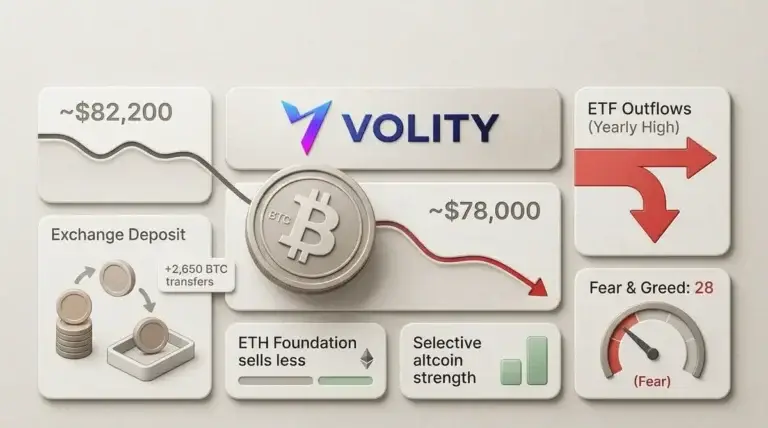
Bitcoin changed hands near $74,400 in early trading. That price action suggested risk appetite remained selective.
Investors bought weakness, yet they have not forgotten why shares fell in the first place.
That distinction separates a tradeable rally from a recovery. One green session can interrupt selling without ending it.
Traders should focus on catalysts, clear invalidation levels and manageable downside. Hope rarely survives the next earnings call.
Semiconductors remain a conditional trade
Chip stocks remain the market’s most tempting dip-buying opportunity. Their long-term link to artificial intelligence spending still attracts believers.
However, low valuations alone do not make a sector investable. A falling group can look cheap for weeks.
Semiconductor shares need to stop making lower lows before traders should trust the rebound.
They also need to reclaim nearby resistance and outperform QQQ. Rising volume would provide another useful confirmation.
Without those signals, buying the dip means buying a deteriorating chart. That is a different trade entirely.
Nvidia’s results on 17 November offer the group’s next serious test. The company reports fiscal third-quarter figures after the closing bell.
Investors will scrutinise data-centre revenue, gross margins, supply availability and orders from major cloud customers.
Guidance matters more than a headline beat. Strong past-quarter sales may not protect the shares from softer projections.
A powerful move higher on heavy volume could revive confidence across the group. A weak outlook could expose lingering excess optimism.
Trade Desk and Rocket Lab bring event risk
The Trade Desk and Rocket Lab report after Monday’s close. Neither offers an ordinary swing-trading setup.
Options prices implied moves of roughly 15.4% in either direction for both stocks.
Other estimates placed expected moves near 13.9% for TTD and 12.4% for RKLB. Either range demands respect.
For The Trade Desk, earnings per share will not settle the debate. Advertising demand and forward revenue guidance will carry greater weight.
Traders will also watch margins, customer retention and evidence of durable spending from major advertisers.
A solid quarter could still disappoint if management tempers its growth outlook. Shares often punish even minor doubts after rich valuations.
Rocket Lab faces a different examination. Its investors care about launches, backlog, cash usage and progress on the Neutron rocket.
The Space Systems business also deserves close attention. It gives Rocket Lab revenue beyond launch activity, but execution still drives the valuation.
Management could post weak quarterly figures and still satisfy investors with credible Neutron milestones. Conversely, cost overruns or delays could eclipse better revenue.
These trades suit investors who define risk before the announcement. Position size matters more than a colourful thesis.
- SPY: near $741.68, up about 0.9% on Monday.
- QQQ: near $661.99, also up about 0.9%.
- DIA: near $518.51, up 1.23%.
- GLD: near $377.87 as gold moved higher.
- Bitcoin: near $74,400 in early trading.
Utilities need a better bearish signal
Utilities remain worth watching for short opportunities, particularly if Treasury yields resume their climb.
Higher yields can hurt the sector in two ways. They make dividend income less distinctive and raise companies’ funding costs.
Yet Monday offered no clean bearish confirmation. Utility shares gained about 1.18%, signalling continued demand for defensive holdings.
A broad sector short therefore carries obvious risk. Falling yields could quickly bring buyers back into the group.
Traders should seek weaker individual charts instead. Lower highs, failed breakouts and heavy selling volume offer better evidence.
Relative weakness against the wider market would add conviction. The trade improves if those signals appear alongside rising bond yields.
Until then, utilities belong on a watchlist rather than in a blanket bearish position.
Dividend investors should read beyond the yield
Health-care dividend shares offer a calmer route for longer-term investors. Still, a generous yield does not guarantee safe income.
Investors should inspect payout ratios, free cash flow, debt and earnings stability. Reimbursement changes also deserve attention.
A company can sustain a dividend temporarily through borrowing or asset sales. That payment may look reliable until it suddenly is not.
Strong candidates generate enough cash to fund dividends, investment and debt reduction. They often yield less than the market’s flashy alternatives.
That trade-off matters. A modest yield with room to grow beats an oversized payment under financial strain.
Momentum requires a measurable trigger
Technology momentum remains attractive, but a stock “ready to explode” is not an investment framework.
Better watchlists include established resistance, average trading volume, earnings revisions and a clear exit level.
A breakout matters more when volume expands sharply. Positive analyst revisions can strengthen the case further.
If shares fall back into their former range, the breakout has failed. Traders should treat that move as evidence, not an insult.
Monday improved the market’s mood, but it did not resolve its larger argument.
TTD and RKLB now face immediate earnings tests. Nvidia follows on 17 November with a verdict on the chip trade.
Semiconductors need confirmation, utilities need clearer weakness and dividend investors need balance-sheet discipline.
The market has opened the door. Sellers will decide whether the rally can keep it open.
Related coverage on Volity
- What Is a P/E Ratio and How to Use It
- Fundamental Analysis in Stock Trading: A Working Definition
- Growth Investing vs Value Investing: Which Style Fits You?
- Fractional Shares Explained: How to Start Investing With $50
- How to Start Stock Trading: A 2026 Beginner Guide
- Dividend Investing for Beginners: How to Start