Quick answer
How much capital you need for commodity trading depends on the market and leverage: trading commodity CFDs can start with a few hundred dollars thanks to margin, while futures and physical commodities need far more. Beyond the minimum, you need enough capital to size positions sensibly and survive drawdowns, so most traders start small and scale with experience.
Investing in financial products involves risk. Losses may exceed the value of your original investment.
The global commodities market, valued over $142 trillion, offers lucrative investment opportunities for traders with sufficient capital. This guide provides a clear picture of the liquidity required to actively participate in the commodities sector. You will learn about contract types, broker minimums, and trading fees, understanding how your investment goals influence capital needs. Approach commodity trading with confidence by knowing your realistic starting requirements.
While understanding Commodity Trading Capital is important, applying that knowledge is where the real growth happens. Create Your Free Forex Trading Account to practice with a free demo account and put your strategy to the test.
What Factors Determine Capital Requirements When Trading Commodities?
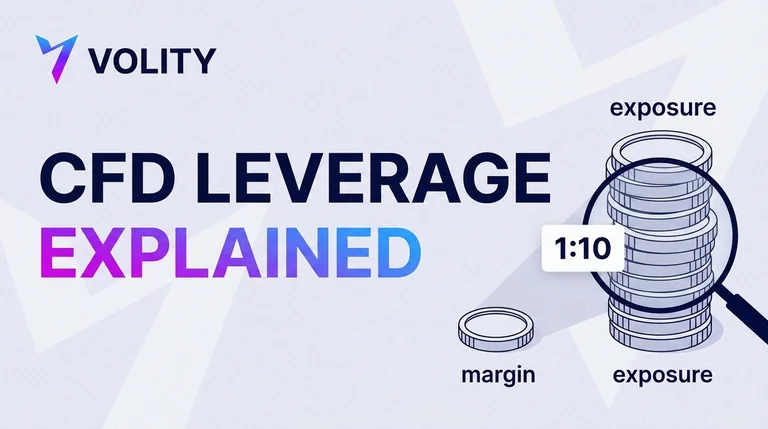
Commodity trading differs slightly from other underlying assets such as blue-chip stocks. Entry-level requirements are often based on margins. Although there is not normally any fixed minimum, brokers will stipulate specific margin thresholds associated with the contract. These can range from 5% to 10% of the aggregate value. In other words, larger positions will require a more substantial capital outlay. Additional variables will be discussed below, as they can also affect the costs associated with a specific position.
The Types of Contracts and Their Costs
Contract sizes will directly correlate to the price that investors can expect to pay. Thankfully, rough guidelines can be used to provide a general estimate of the associated entry-level costs. Here is a summary of the three types of commodity contracts that are generally available:
- Micro contracts. The smallest and most affordable option, ideal for beginners testing the waters.
- Mini contracts. A middle ground offering moderate exposure without the full capital commitment.
- Standard contracts. Full-size positions that require significantly more capital but offer the greatest exposure.
As this hierarchy suggests, the costs of a mini contract are higher than those of a micro position but lower than those of a full standard contract. One issue here is that prices vary between brokers, which is why it is important to perform research well in advance.
Another point to mention involves the terms and conditions attached to a specific contract. Entry-level thresholds, the time the asset needs to be held, and the presence of mechanics such as stop-loss orders are all examples. Not only might these impact the profitability of the position, but they could also appeal to certain types of investors. Be certain to read the contract terms carefully to understand the fine print.
Broker Minimums and Exchange Requirements
One of the most relevant concerns involves the minimum amount of capital required to open a commodities position. In this respect, there is no golden rule. Different trading platforms cater to specific types of investors, offering a wide array of options.
For example, platforms designed for entry-level traders may advertise minimum deposits as low as £10 (or the currency equivalent). Those associated with institutional trades could raise the thresholds considerably higher, perhaps into the hundreds of pounds. However, it is equally important to note that higher minimums may indicate additional benefits such as high liquidity and lower spreads.
Exchanges have also been known to charge fees. Some factors that apply include transaction charges, contract type, and trading volume.
Region-Specific Capital Concerns
Some readers may be surprised to learn that contract costs can vary between different regions of the world. While there are many metrics that may cause such fluctuations, one predominant underlying factor involves regulations. Furthermore, exchange rates can directly affect the value of a position depending on the currency used in the transaction.
Another variable is associated with areas of the world that are focused on commodity exports, as transportation costs may impact the price of a contract. These include Africa, land-locked portions of Asia, and Oceania.
Those who wish to fully appreciate the total value of a position before executing a trade are encouraged to use an exchange rate calculator. These provide real-time currency conversions according to the latest Forex data. It could also be wise to determine the physical headquarters of the brokerage platform.
Fees, Spreads, and Cost Considerations
Several other metrics will often enter into the equation beyond entry-level obligations and exchange rates. The spread of the position will also impact the ultimate cost. Spreads determine entry and exit points, so wider spreads could reduce overall profitability. especially for traders who wish to employ scalping as a short-term strategy.
It is now clear that the costs associated with commodity trading are not static in nature. Investors should clarify the points mentioned above to accurately determine how much capital will be required to enter into a position. These must then be balanced against potential profit margins. Wide spreads likewise signify that the trader is paying more to enter a position and receiving less once the position is closed, resulting in higher costs per transaction.
Understanding the distinction between CFDs vs futures is also important here, as each instrument carries different fee structures, margin requirements, and cost implications for commodity traders.
Position Sizing and Risk Management
We mentioned the total value of commodities holdings previously, and this is another way of describing a term known as position sizing. the number of units associated with a commodities trade. Why is position sizing important? The size of a position will often determine the underlying levels of risk.
Larger contracts can incur substantial profits or equally detrimental losses. This is also when risk-mitigating strategies such as setting conservative stop-loss points represent powerful tools.
There are likewise instances when the size of a position. and therefore the cost. should be reduced. For example, it is prudent to limit your overall exposure during periods of high market uncertainty or if a major commodity-related announcement is expected. Professional guidance can be invaluable during times of heightened volatility.
Alternative Entry Via Mini Accounts or Proprietary Trading Firms
Another useful approach is to consider opening a mini commodities trading account. These offer several notable advantages including:
- Lower margin requirements
- Less risk exposure
- Smaller contract sizes
- A greater degree of diversification due to less capital needed to open a contract
Some commodity investors may likewise choose to work with a proprietary (prop) trading firm. As the term suggests, these firms use their own capital to execute commodities transactions. The only issue here is that prop trading is generally limited to larger institutions such as banks, building societies, and hedge funds. Existing clients may receive a small portion of the profits derived from a commodities position in the form of longitudinal payments such as dividends.
Therefore, prop trading is sometimes preferred by those who are more interested in securing a long-term position with guaranteed yields as opposed to a liquid contract that may be subject to periods of volatility.
Ready to Elevate Your Trading?
You have the information. Now, get the platform. Join thousands of successful traders who use Volity for its powerful tools, fast execution, and dedicated support.
Create Your Account in Under 3 MinutesTrading Goals: The Elephant in the Room
A final point to mention involves what it is that you are hoping to achieve. Similar to other investments, commodities can be approached in many different ways. For example, those who are primarily interested in generating short- to medium-term profits will often utilise commodity CFDs to avoid being locked into a position for an extended period of time. Understanding how CFDs compare to spread betting can help you decide which instrument better suits your trading style.
Long-term holds could instead be preferred by traders hoping to take advantage of sustained price trends. an approach that is inherently more conservative in nature. Note that this strategy is yet another way to create a balanced portfolio and offset sudden movements associated with more liquid assets.
The Use of Derivatives for Hedging Versus Speculation
Turn Knowledge into Profit
You have done the reading, now it is time to act. The best way to learn is by doing. Open a free, no-risk demo account and practice your strategy with virtual funds today.
Open a Free Demo AccountWhile these two approaches do not necessarily impact the ancillary fees discussed earlier, hedging through the use of derivatives trading has been known to mitigate financial risk. In other words, one position within the marketplace can be used to offset potential losses in another. For example, a strong United States dollar will often lead to decreased commodity prices. Rising bond prices may likewise hint at lower interest rates, signalling more bearish commodity conditions.
While some investors may consider speculation, this is normally not the best approach in terms of stability. Although there can be times when betting on price fluctuations may result in short-term profits, the volatile nature of such positions frequently contributes to a higher degree of inherent risk. Simply stated, speculation should only be employed by those who have significant experience and are not averse to risk. Understanding the differences between CFDs and futures can help you choose the right derivative instrument for your hedging or speculative strategy.
Bottom Line
Did this article pique your interest in commodities trading? Take the time to explore the different contract types and instruments available to you. If you’re weighing up your options, our comparison of CFDs vs futures and CFD vs spread betting can help clarify which approach best fits your trading goals and capital.
Key Takeaways
- Commodity trading typically requires £1,000+ to start, varying by contract size and broker.
- Costs are influenced by contract type (micro, mini, standard), broker minimums, fees, and regional factors.
- Effective position sizing and risk management are crucial for managing potential profits and losses.
- Mini accounts or proprietary trading firms can help lower initial capital requirements and reduce risk exposure.
- Your trading goals and chosen strategy directly impact the capital needed and overall trading approach.
Frequently Asked Questions
What our analysts watch: Three signals tell us whether a commodity account is sized correctly. The first is initial-margin headroom: the cash buffer above exchange margin needs to absorb at least one standard-deviation overnight move without forcing a stop-out. The second is real-yield direction, because positive real rates compress non-yielding commodities and demand smaller, shorter-duration exposure. The third is the term-structure signal (contango versus backwardation) on the curve being traded; backwardation rewards roll-yield holders, contango penalises them. When margin headroom is comfortable, real yields stable, and the curve aligned with the position direction, capital efficiency improves materially.
Related guides
Volity operates a trading platform and also publishes educational and analytical content about trading. The content on this page is for educational purposes only and should not be considered financial advice. Volity may benefit commercially when readers open trading accounts through links on this site.
Our content is produced and reviewed under documented editorial standards; see our comparison and review methodology.