Investing in financial products involves risk. Losses may exceed the value of your original investment.
Quick answer
Physical commodity trading is the buying and selling of actual barrels of oil, tons of grain, ounces of gold, or kilowatt-hours of power, with physical delivery, storage, and transport. Major players are commodity-trading houses (Glencore, Vitol, Trafigura), producers, and end-users. Retail traders almost never trade physical commodities; they use futures, ETFs, or CFDs as paper-only proxies.
Physical commodity trading is the buying and selling of the actual underlying goods (a barrel of crude, a tonne of copper, a kilo of gold) with real delivery, storage, transport, and quality inspection. It is the opposite of paper trading, where the contract settles in cash and no goods change hands. Physical trading is the domain of integrated majors, dedicated trading houses, and producers and consumers along the supply chain, not the retail screen trader.
What sits inside a physical trade
- Sourcing. Locating a producer or holder with the right grade, volume, and timing.
- Pricing. Often a formula: a benchmark (Brent, LME copper, LBMA gold) plus or minus a quality and location differential.
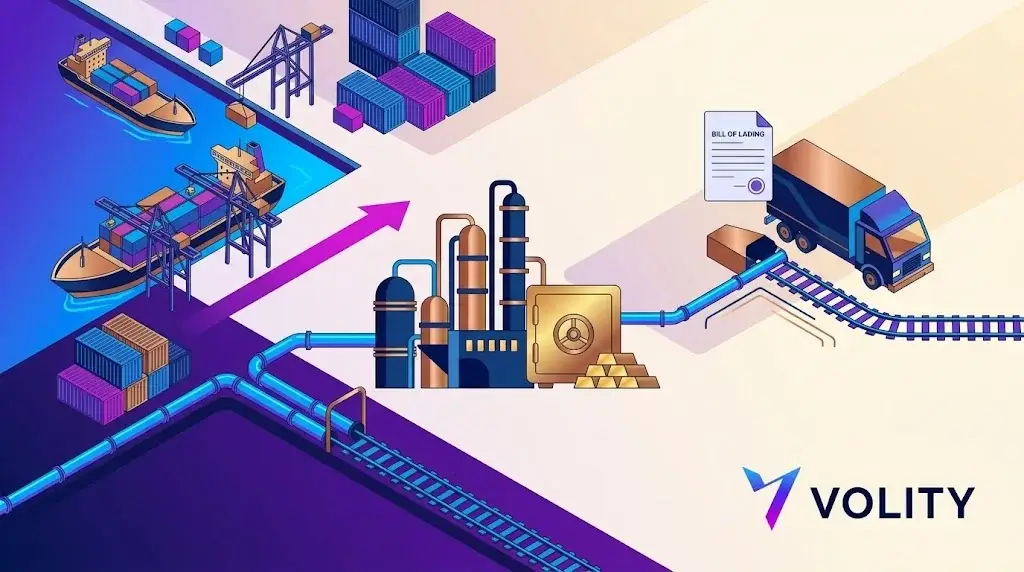
- Logistics. Vessel chartering, rail, pipeline, road. Demurrage clocks start the moment a ship arrives in port.
- Storage. Tank farms, bonded warehouses, vault accounts. Storage cost is part of the carry.
- Inspection. Independent surveyors verify weight, grade, moisture, sulphur content. The certificate is the basis of payment.
- Documentation. Bill of lading, certificate of origin, letter of credit, insurance policy. The paperwork is the trade until the goods arrive.
- Financing. Trade finance banks lend against the goods. Interest is part of the cost stack.
Physical vs paper: the key differences
- Settlement. Physical settles in delivery. Paper settles in cash.
- Capital intensity. A single Suezmax cargo of crude is worth $80-120m. The capital required to play in physical is multiples of paper.
- Operational risk. A pipeline rupture, a port strike, a piracy incident, a quality dispute. None of these affect a CFD trader.
- Edge source. Physical traders make money from logistics arbitrage, quality blending, and information advantages from owning real assets. Paper traders make money from price view and execution.
The three benchmarks that anchor most physical pricing
- Crude oil: Brent (Europe), WTI (US), Dubai (Asia). Differentials to benchmark price the actual cargo.
- Base metals: LME (London Metal Exchange) for copper, aluminium, zinc, nickel, lead, tin. Three-month forward is the reference.
- Precious metals: LBMA Gold and Silver Price (London) plus COMEX futures. Vault location (Zurich, London, Singapore, New York) affects the differential.
When does physical commodity trading make sense?
Three honest cases:
- You are a producer or consumer. A miner sells what it digs up; a refiner buys what it processes. Physical is structural, not optional.
- You have a logistics edge. Owned tank capacity, a vessel pool, an inland terminal, a refinery slot. The edge is the asset.
- You can finance the position. Trade finance lines, a balance sheet that can absorb a $20m demurrage hit, treasury staff who can manage L/Cs.
If none of those apply, paper exposure (futures, options, CFDs) is the right tool. The price view is the same; the operational footprint is a fraction.
What goes wrong
- Quality disputes. The cargo arrives off-spec by 0.5% sulphur. The buyer rejects or demands a discount. Litigation can run years.
- Logistics blow-outs. A canal closure, a hurricane, a sanctions package. A profitable trade turns into a stranded cargo.
- Counterparty default. The buyer’s bank refuses to honour the L/C. The cargo is en route. The seller is on the hook for the tanker and the goods.
- Hedge mismatch. The paper hedge uses Brent; the physical is a regional grade. Basis blows out and the hedge no longer offsets.
Commodity exposure at Volity
Volity offers cash-settled CFD exposure to oil, gold, silver, copper, natural gas, and agricultural benchmarks. No physical delivery is involved. This is the right tool for traders who want price exposure without the capital and operational footprint of physical trading. Execution is by UBK Markets Ltd (CySEC 186/12). Retail leverage caps under ESMA: 1:20 on gold, 1:10 on other commodities. Negative balance protection applies.
Volity operates a trading platform and also publishes educational and analytical content about trading. The content on this page is for educational purposes only and should not be considered financial advice. Volity may benefit commercially when readers open trading accounts through links on this site.
Our content is produced and reviewed under documented editorial standards; see our comparison and review methodology.
Frequently asked questions
How does physical commodity trading differ from trading a CFD on the same commodity?
Physical trading involves the actual delivery, storage, insurance and transport of the material. A CFD settles the price difference in cash and never delivers anything, which is why storage and logistics costs do not arise.
What costs are unique to physical commodity trading?
Storage, insurance, freight, quality inspection and financing over the time the goods are held. These carrying costs are the reason physical prices for later delivery usually differ from the spot price.
Who takes part in physical commodity trading?
Producers, processors, merchant trading houses, and industrial consumers. Participation requires the ability to take delivery, arrange storage and meet quality specifications, which is why it is largely an institutional activity.