Crypto’s October reality check: bitcoin meets the sellers
Thursday brought a harder question than the usual “Uptober” optimism. How much institutional demand remains when investors pull risk from the table?
Bitcoin slid towards $82,000 after U.S. spot exchange-traded funds posted their largest daily withdrawal since June. Meanwhile, Ether funds extended a seven-session losing run. European regulators also tightened the timetable for non-compliant stablecoins.
Bitcoin’s ETF cushion disappears
U.S. spot bitcoin ETFs shed about $484.9 million on Wednesday. The withdrawal reversed Tuesday’s $118.8 million inflow. It also erased net gains from October’s first four trading sessions.
BlackRock’s iShares Bitcoin Trust saw roughly $207.7 million leave the fund. Fidelity’s bitcoin ETF lost about $105.1 million. ARK 21Shares recorded withdrawals near $101.7 million.
The breadth matters more than any individual redemptions. This did not resemble a technical rebalance at one fund. Several of crypto’s largest institutional entry points faced withdrawals at once.
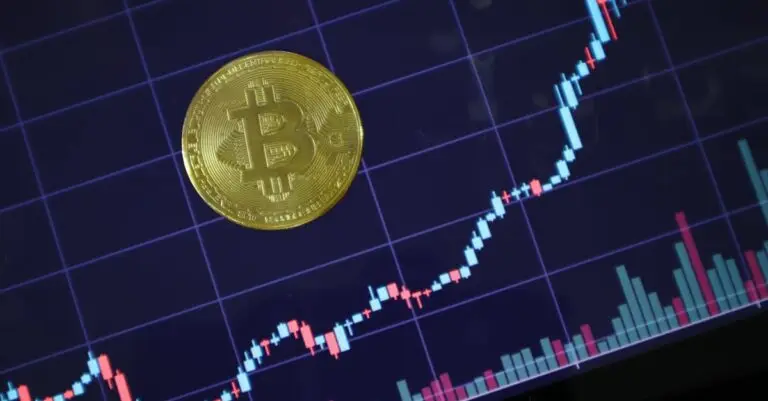
Bitcoin traded near $82,700 during the session. Traders are watching a vulnerable range between roughly $81,700 and $83,300. Leveraged positions could face forced liquidations if the price breaks cleanly below that area.
However, a swift return above the range would change the picture. It would suggest that ETF redemptions have not yet become a broader retreat from spot bitcoin.
Ether’s fund flows looked weaker still. U.S. spot Ether ETFs suffered about $160.9 million in net outflows. The session marked their seventh consecutive day of withdrawals.
That streak complicates the argument for a broad altcoin rebound. Capital is leaving investment products tied to both bitcoin and the second-largest crypto asset.
MiCA draws a harder line
Europe delivered the day’s clearest regulatory development. The European Securities and Markets Authority told national regulators to act against non-compliant stablecoins.
Crypto firms authorised under the Markets in Crypto-Assets framework must stop offering services involving affected tokens. They must prevent EU clients from buying, trading, or increasing their exposure.
Existing positions should be resolved as soon as possible. January 8, 2027, stands as the outside date for dealing with remaining legacy holdings.
The deadline does not permit normal trading until then. Regulators may allow limited exit services, including liquidation, conversion, withdrawal, transfer and custody.
Exchanges now face a messy operational task. Their systems must distinguish permitted unwinding from a fresh purchase. Custodians also need contracts and controls that match those restrictions.
For investors, the result may be a more fragmented stablecoin market. Tokens failing European standards could retain liquidity elsewhere. Yet they may become harder to access through regulated EU venues.
That division could widen spreads and complicate corporate treasury transfers. It may also favour stablecoins with clear banking links and credible regulatory arrangements.
Bitcoin finance seeks a new audience
Not every crypto headline carried a defensive tone. Sui’s Hashi launched with a reported $500 million ambition for bitcoin-focused finance.
The project reflects a familiar pitch. Bitcoin remains crypto’s largest collateral pool, while much of it remains idle outside decentralised finance.
Yield, however, rarely arrives without risk. Users will examine counterparty exposure, liquidation rules, bridge security and collateral quality. A large launch figure cannot settle those questions.
Institutional infrastructure continues to grow alongside the price weakness. Standard Chartered is planning an institutional crypto custody service in Singapore. HashKey and BitGo are expanding Ether and Solana staking services for institutions.
Wells Fargo has reportedly discussed crypto trading with Kraken’s parent company. Taken together, those moves reveal a split market. Prices remain fragile, but custody, staking and execution infrastructure keeps advancing.
Payments leave the demonstration stage
Stablecoins are also moving beyond exchange settlement. Samsung Wallet is preparing USDC transfers across a reported 82 million Galaxy devices. Gate is expanding crypto spending through Visa in more than 40 markets.
South Korea’s Gwangju Bank and Toss have tested stablecoin QR payments. Circle is also bringing USDC and EURC payment functions into SAP’s enterprise environment.
These projects lack the drama of a sudden token rally. Still, they address a use case that can outlast a bear market: moving money quickly and cheaply.
The investment question remains unsettled. Transaction growth could support networks and specialist service providers. Alternatively, stablecoins may become interchangeable rails, with most economic value flowing to banks, card networks and software platforms.
Security risk becomes a valuation issue
Ethereum researcher Justin Drake has warned that artificial intelligence may eventually help attackers compromise crypto wallets. Europol has also flagged quantum computing as a long-term risk to wallet security.
Neither threat drives daily trading today. Yet both expose the same weakness. Private-key assets remain secure only while cryptography, hardware and human habits stay ahead of attackers.
Wallet providers and protocols need upgrade paths before threats become commercially useful. Investors should treat security design as part of valuation, not as a detail for post-hack reports.
The trading map for today
- Bitcoin: The $82,000 area is the immediate battlefield. ETF outflows have turned early-October optimism into a test of spot demand.
- Ether: Seven straight ETF outflow sessions show institutional appetite remains narrow.
- Stablecoins: MiCA enforcement is shifting from policy text to exchange restrictions. January 8, 2027, is the outer remediation date.
- Altcoins: Liquidity can vanish quickly if bitcoin breaks lower. Selective rallies remain possible, but broad risk appetite looks thin.
- Infrastructure: Custody, staking, payments and bitcoin-finance projects continue despite weaker prices.
Crypto’s institutional era has not removed volatility. It has given volatility a larger, faster transmission system. ETF redemptions can move prices within hours, while regulation can reshape liquidity over months.
Traders will watch fund flows and the $82,000 area. Longer-term investors face a tougher test: identifying businesses that still matter when markets stop rewarding every token equally.
Related coverage on Volity
- How to Avoid Crypto Scams: A Beginner Safety Checklist
- How to Choose a Trading Platform: A 10-Point Checklist
- Demo vs Live Trading Account: A 7-Step Checklist Before You Go Live
- How to Size a Trade: Position Sizing and Risk Per Trade for Beginners
- Risk-Reward Ratio Explained: How to Set It and Why It Matters
- ETF vs Index Fund: The Difference and Which to Pick