Crypto’s stress test: Bitcoin rebounds as hacks, elections and tokenisation reshape the market
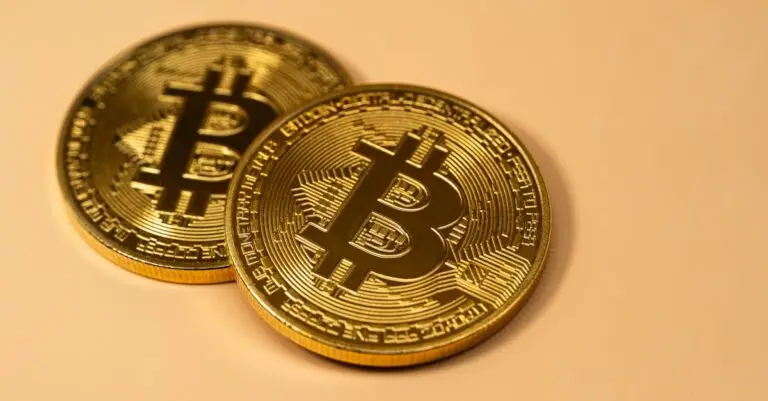
Wednesday, November 4, 2026 – Bitcoin climbed towards $78,000 after falling near $75,700, as a sharp short squeeze hit bearish traders.
Roughly $378 million in short positions disappeared within an hour. Yet the recovery arrived as the market absorbed political risk, ETF withdrawals and Binance’s security breach.
Democrats won control of both chambers in the U.S. midterm elections. That result clouds the path for the crypto industry’s favoured CLARITY Act.
Bitcoin’s immediate question is simpler. Can spot buyers replace liquidated short sellers once the forced buying stops?
Bitcoin finds buyers, but funds stay guarded
U.S. spot Bitcoin ETFs have posted several sessions of net outflows. Meanwhile, investors continue to assess the fallout from Binance’s October 29 breach.
The move above $77,000 forced bearish traders to buy back positions. Such rallies can fade quickly when they lack fresh cash-market demand.
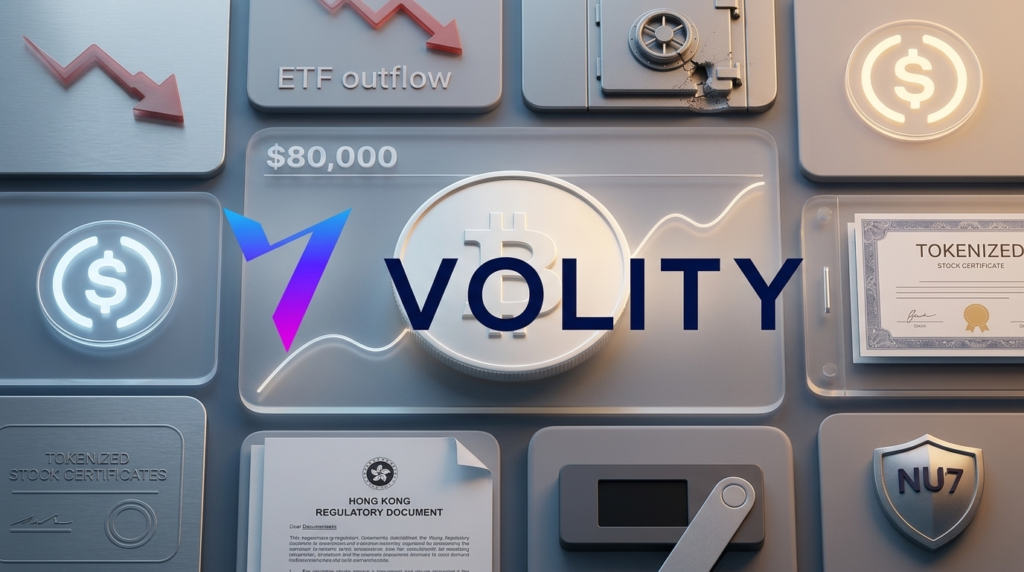
Portfolio managers will focus on $80,000 during the next few sessions. A sustained move above it would signal rebuilding demand.
Failure at that level would expose Bitcoin to another decline towards the mid-$70,000s. Further ETF redemptions would make that test more likely.
The Binance breach widens
Binance said the attack affected about $6.3 billion in assets. The exchange said it had replenished roughly 95% of affected holdings.
Withdrawals have resumed gradually after additional security checks. Still, the breach has become a geopolitical dispute as well as a financial shock.
The FBI blamed North Korea’s TraderTraitor operation for the attack. Pyongyang denied responsibility and cited the accusation in rejecting talks with Washington.
Investigators said billions of dollars remained in addresses linked to the theft. Industry participants froze a substantial share of the assets, but not all of them.
Security researchers described fake job interviews, malicious software and a compromised internal artificial-intelligence tool. The attack went far beyond a stolen private key.
Privacy Cash paused deposits after receiving $1.2 million in Binance-linked inflows. Reports also showed the attacker moving Solana through privacy-focused infrastructure.
BitMart confirmed a separate hack and suspected links to the same group. Exchange security now shapes valuation as directly as trading volumes or fee revenue.
Users should watch withdrawal access, proof of reserves and cold-wallet practices. Those details become painfully visible only when markets are already under pressure.
Circle puts payments back in focus
Circle offered the day’s stronger corporate report. Third-quarter revenue and reserve income reached $864.9 million, up 17% from a year earlier.
Adjusted EBITDA rose 85% to $317 million. However, the figures included $182 million from an ARC token presale.
Excluding that contribution, revenue and reserve income would have stood near $683 million. That level fell below the comparable figure a year earlier.
USDC transaction volume rose 49% to $13.9 trillion during the quarter. Its market share slipped, though, to 27%.
Circle’s Arc blockchain entered public mainnet and uses USDC for transaction fees. The network targets payments, financial applications and tokenised assets.
Investors now want more than rising stablecoin circulation. They want durable payment revenue and institutional settlement volumes.
Circle offers evidence of scale, while its results also reveal sensitivity to interest rates and distribution costs. One-off token economics make comparisons less tidy.
Tokenised stocks meet legal friction
Morgan Stanley has begun tokenising U.S. stocks and Treasuries through infrastructure tied to the Depository Trust and Clearing Corporation.
The project reflects banks’ preference for controlled, permissioned systems. Retail-focused token schemes face a less forgiving legal landscape.
Amazon, Tesla and other companies have opposed OKX plans for tokenised versions of their shares. A digital wrapper does not grant rights to corporate brands or market data.
The SEC separately treated Canton Coin as a digital commodity under limited no-action relief. At the same time, a lawsuit challenged CFTC approval for perpetual futures tied to U.S. stocks.
Traders should examine the legal structure before chasing tokenisation themes. The blockchain may work perfectly while the product still faces regulatory trouble.
Tax reporting reaches the wallet
Hong Kong approved crypto tax-reporting rules based on the OECD’s Crypto-Asset Reporting Framework. Covered providers must collect customer and transaction data from 2027.
Participating jurisdictions will begin automatic tax-data exchanges in 2028. The rules cover fiat trades, token swaps and certain external-wallet transfers.
France is weighing reports for self-custodied crypto holdings above €100,000. Private wallets remain legal, but they are becoming more visible to tax authorities.
Zcash attracts upgrade traders
Zcash rose about 9% ahead of its NU7 upgrade. Some traders have targeted $1,370, despite the project’s still uneven liquidity.
Zcash also detailed seven Zebra software fixes. A grants group abandoned a proposal to redirect 98,000 ZEC to miners.
Protocol upgrades often attract capital before users notice any difference. Governance, execution and trading depth will decide whether the rally lasts.
What traders are watching
- Bitcoin: $80,000 is the immediate test after the short squeeze.
- ETF flows: Continued redemptions could quickly weaken Bitcoin’s recovery.
- Binance: Withdrawal operations and asset recovery remain market-wide confidence tests.
- USDC: Circle’s payment growth matters, but ARC revenue complicates the quarterly picture.
- Tokenisation: Institutional adoption is advancing faster than legal certainty.
Crypto has regained some colour after a bruising stretch. Still, the green candles rest on forced buying, not yet proven new demand.
Banks are tokenising assets and stablecoin networks are expanding. Yet hacks, tax rules and a less friendly Congress keep the market’s stress levels high.