You cannot buy the VIX directly, because it is an index rather than an asset you can hold. To trade the VIX you take a position on volatility through a product that references it, and there are three practical routes: VIX futures, a volatility ETF, or a CFD on a volatility index. Each one behaves differently once you own it, and the VIX is easily the most misunderstood thing a new trader will reach for, so the mechanics deserve a slow read here. This guide is the hands-on how-to. If you want the concept explained from scratch, we cover what the VIX actually is and the wider world of volatility indices in separate companion pieces.
What is the VIX, and can you trade it?
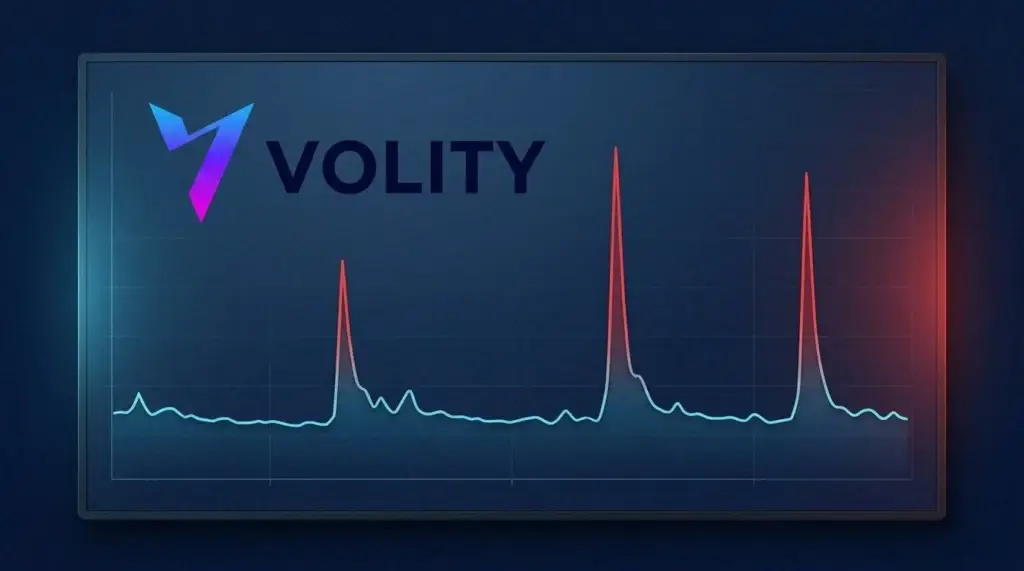
The VIX is a measure of the 30-day volatility the market expects in US large-cap equities, calculated from the prices of S&P 500 options. It climbs when traders brace for large moves, which is usually when markets are falling, and it drifts lower when things are calm. That inverse behaviour is why people call it the fear gauge. Because it is a calculated number and not a security you can settle, nobody actually holds the VIX. Every method of trading it is really a position in something that tracks it, and the way that tracking works is where most of the money is won or lost.
How do you trade the VIX? The three routes
Each route gives you exposure to volatility, but the cost, the effort and the account size they suit are not the same.
- VIX futures are contracts that settle against the index on a set date, published by Cboe. They give you the purest exposure to expected volatility, but they carry roll costs and tend to be sized for larger accounts.
- Volatility ETFs and ETNs hold VIX futures on your behalf, so they are the easiest to access from an ordinary brokerage. The catch is that they decay over time because of how those futures roll, which makes them a tool for short holds rather than something you sit in.
- An index CFD lets you go long or short on a volatility index with a defined stop, from one account, without you having to manage futures rolls at all. This is how you would trade volatility on Volity, alongside forex, indices, commodities and crypto on the same Volity MT platform.
Why does the VIX lose value over time?
This is the trap that quietly drains most beginners. VIX-linked products usually sit in a state called contango, where the further-out futures cost more than the front-month contract. As each contract nears expiry, the product sells the cheaper expiring one and buys the pricier next month, and that negative roll yield bleeds value even while the VIX itself goes nowhere. Hold a volatility ETF for a few months and you can be completely right about a spike coming and still lose money in the waiting. The lesson is blunt: volatility is a market you trade around events, not a place to park capital.
What is a sensible VIX trading strategy?
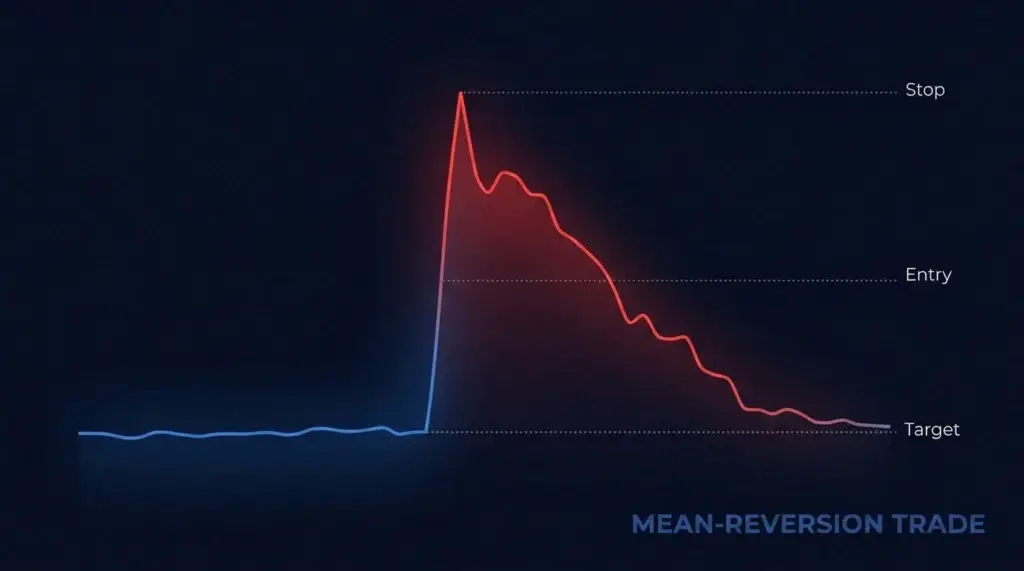
Because the VIX tends to spike hard and then fade, most volatility strategies lean on mean reversion and on timing around events you can see coming. Here is how those ideas play out in practice.
- Fade the spike, and do it carefully. Extreme readings rarely last, so traders often look to short volatility once a panic starts to roll over. A spike can always run further before it turns, which is exactly why a stop is not optional on this trade.
- Use it as a hedge. A small long-volatility position can offset a book of long equity positions during a sell-off, since the VIX usually rises as shares fall. That negative correlation is the whole point of holding it.
- Trade the calendar. Central-bank meetings, big data releases and earnings season all lift the volatility the market is pricing in. Position ahead of the known catalyst, because by the time the news hits, the move you wanted is often already in the price.
- Keep the size small. Volatility products move fast, and a position that felt tiny on the ticket can hand you an outsized swing. Size the trade from where your stop sits, not from how sure you feel.
What moves the VIX?
Falling equity markets, surprise economic data, central-bank decisions and geopolitical shocks all push the implied volatility in options higher, and that is what the index reads. Calm, trending markets pull it back down. The VIX and the underlying equity index almost always travel in opposite directions, and that reliable see-saw is the reason traders use volatility both to speculate and to protect a portfolio. The Bank for International Settlements tracks the same volatility signals when it judges how tight financial conditions have become, and desks watch rate and equity volatility together for exactly that reason.
How to trade the VIX on Volity
On Volity you trade volatility as an index CFD, which sidesteps the futures-roll admin and lets you go long or short with a stop attached. The steps below are the whole workflow.
- Open a Volity account for nothing, or start on a free demo that mirrors live pricing so you can practise without risk.
- Fund your wallet by card, SEPA or crypto. You can invest from $1 and start trading from $1.
- Open the volatility instrument in Volity MT and read the live chart with the built-in TradingView charting.
- Choose your direction, set your size from the margin shown on the order ticket, and attach a stop-loss and a take-profit before you enter.
- Manage the position while it is open. Volatility is not a set-and-forget market, and the moves that make it worth trading are the same ones that punish a trade left unwatched.
A word on leverage before you size anything. Volity offers up to 1:500 depending on the product, and that leverage cuts both ways: it magnifies a loss just as fast as a gain. Leveraged CFDs are risky enough that regulators including the FCA and ESMA restrict how they are sold to retail traders. Trading execution runs through UBK Markets, regulated by CySEC under licence 186/12. Review the published charges and fees, rehearse on the free demo first, and read the indices trading platform page for how index CFDs work. You can also browse the full markets list, and if risk control is new to you, start with the basics in our education hub.
Related guides
Frequently asked questions
Can you buy the VIX directly?
No. The VIX is a calculated index rather than a security, so you trade it through VIX futures, a volatility ETF, or a CFD on a volatility index instead of buying the index itself. On Volity that means an index CFD you can go long or short.
Is trading the VIX risky?
Yes. Volatility products move quickly, and volatility ETFs also lose value over time through roll decay, so they suit short, actively managed trades rather than long holds. Always work with a stop and keep position sizes small. Leverage adds to the risk, which is why it is capped and regulated.
Why does the VIX go up when markets fall?
Falling markets raise demand for options protection, which lifts option prices, and the VIX is calculated from those prices. So fear in the equity market shows up almost immediately as a rising volatility index.
What is a high VIX reading?
As a rough guide, readings below 15 suggest calm, the high teens to the 20s are fairly normal, and spikes above 30 signal real stress. Extreme readings tend to revert, which is why timing and risk control matter so much when you trade volatility.