A lot size calculator converts your account risk into an exact position size before you place a trade. You enter your balance, the percentage you are willing to risk, your stop-loss in pips, and the pair, and it hands back the number of lots to trade. Size a trade this way and a loss costs only what you planned for, never more.
What is a lot in forex?
A lot is the unit of trade size in forex. One standard lot is 100,000 units of the base currency, and brokers break that down into smaller fractions so any account can size a position sensibly. If you want the full breakdown, our guide to what a lot is in forex covers each tier. The lot you pick sets how much every pip of movement is worth, and that is the lever a position size calculator adjusts to hold your risk steady.
| Lot type | Units | Approx. pip value on a USD-quoted pair |
| Standard | 100,000 | 10 per pip |
| Mini | 10,000 | 1 per pip |
| Micro | 1,000 | 0.10 per pip |
| Nano | 100 | 0.01 per pip |
How does a lot size calculator work?
The maths runs in two steps, and it is the same position sizing logic BabyPips teaches new traders. First you turn your risk percentage into a cash figure. Then you divide that figure by the risk in the trade itself, which is your stop distance multiplied by the pip value.
- Risk amount = account balance x risk % per trade. On a 5,000 balance at 1%, that is 50 in your account currency.
- Position size in lots = risk amount / (stop-loss in pips x pip value per lot). The pip value per standard lot on a USD-quoted pair is about 10.
That is the whole engine inside any forex lot size calculator. Change the stop distance and the tool resizes the position so the cash at risk stays put. A wider stop gives you a smaller lot; a tighter stop gives you a larger one. The amount you stand to lose does not move.
Worked example on EUR/USD
Say your balance is 5,000 and you risk 1%, so the cash at risk is 50. You plan a 25-pip stop-loss on EUR/USD, where the pip value on a standard lot is 10. Drop those into the formula:
Lots = 50 / (25 x 10) = 0.2 lots. That works out to 20,000 units, or two mini lots. If the trade hits your stop, you lose 50, which is exactly 1% of the account. The same inputs also size the reward. At a 50-pip take-profit you would make roughly 100, the figure a forex profit calculator returns for the winning side.

Use the free lot size calculator
Lot size calculator
Turn your account risk into an exact position size. Enter your balance, the risk you will take and your stop-loss to get the lot size and the cash at stake.
On a USD-quoted pair a standard lot is worth about 10 per pip in your account currency. Gold moves about 100 per 1.00 point per lot. The figure fills in when you pick an instrument; overwrite it with the value your broker shows for the pair you trade.
Past results are not indicative of future performance. This calculator is for education only and is not financial advice. Trading on leverage carries a high risk to your capital.
Size your first trade on a free Volity demoLot size for gold (XAUUSD) and indices (NAS100)
Gold and index CFDs are not measured in the same pips as currency pairs, so a gold lot size calculator and a nas100 lot size calculator lean on the instrument’s own contract specification instead of the 10-per-pip forex rule.
For gold trading, one standard XAUUSD lot is 100 ounces, matching the CME gold contract specification, and a 1.00 move in the price is worth about 100 per lot. So a 50 risk with a 5.00 stop sizes to Lots = 50 / (5.00 x 100) = 0.10 lot, which is the core of any xauusd lot size calculator. The Nasdaq 100 works differently again. NAS100 and other index CFDs are sized by value per point, which the platform lists in the contract spec. If a point is worth 1 per lot and your stop is 40 points on a 100 risk, then Lots = 100 / (40 x 1) = 2.5 lots. Always read the live value per point before you size, because it varies from one instrument to the next.
The method never changes. Only the pip or point value swaps out. Cash at risk, divided by stop distance times value per unit, gives you the lot.
Why does position sizing beat guessing?
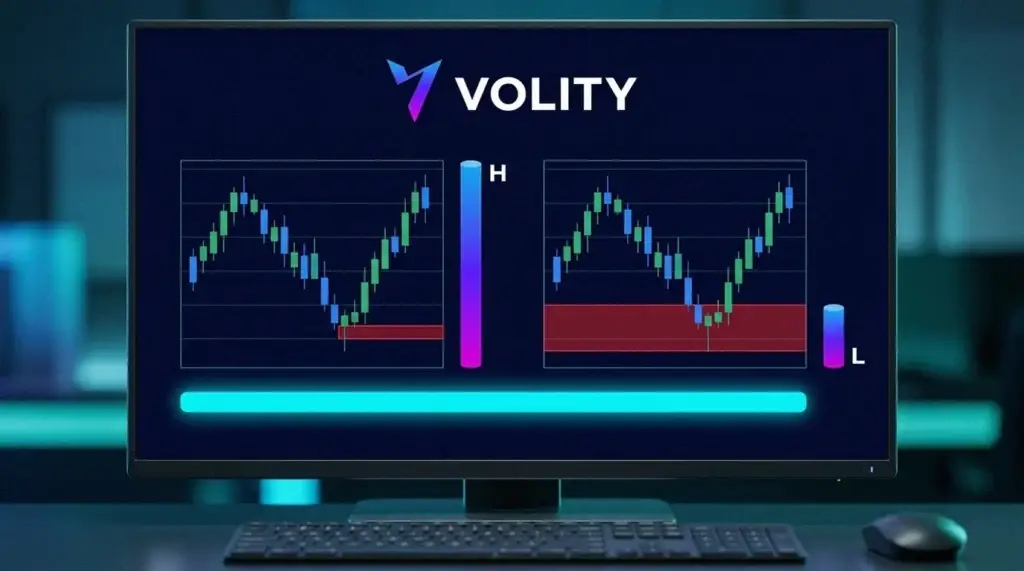
Fixed lot sizes are how accounts blow up. A trader who always trades one lot risks 50 on a tight-stop trade and 500 on a wide-stop trade without ever clocking the difference. Sizing from risk rather than from habit is the discipline that education tools like the BabyPips position size calculator drilled into a generation of traders, and it separates a controlled losing streak from a run that quietly empties the account.
The lot is only one of the numbers worth knowing before you commit. Reading up on position sizing and risk per trade shows how a single loss maps to a fixed slice of your balance, and a broader plan for trading risk management keeps a losing run from turning into a hole you cannot climb out of. Put together, they turn each trade into a measured decision instead of a hopeful one. The same planning is quicker with a few tools: a risk-reward calculator to weigh each setup, a drawdown calculator to see what a losing run costs, and a compound calculator to project how gains build over time.
Trade sized positions on Volity
Volity MT lets you enter the exact lot the calculator returns, attach a stop-loss at order entry, and read the value per pip or point for every instrument in its contract specification. Forex and commodities leverage runs up to 1:500, which magnifies the win and the loss alike, the reason bodies such as the FCA and the ESMA cap retail CFD leverage so tightly, so the position size you choose matters more than the leverage on offer. Practise the maths on the Volity forex trading platform demo first, where a mis-sized trade costs you a lesson rather than real money. You can open an account for 0, fund a live account from 1, and start trading from 50 once the sizing feels natural.
Frequently asked questions
What lot size is good for a small account?
Micro lots, at 1,000 units and about 0.10 per pip, suit small accounts because they let you risk a low fixed percentage even with a wide stop. Rather than pick a lot by feel, set your risk to 1% of the balance and let a lot size calculator return the size. On a 500 account that often lands between 0.01 and 0.05 lots.
How do I calculate pip value?
On a USD-quoted pair, pip value is about 10 per standard lot, 1 per mini lot, and 0.10 per micro lot. For pairs where USD is not the quote currency, convert using the current exchange rate. Volity MT lists the pip value for each instrument, so you do not have to work it out by hand.
What is the lot size for XAUUSD (gold)?
One standard XAUUSD lot is 100 ounces, and a 1.00 move in the gold price is worth roughly 100 per lot. To size a gold trade, divide your cash risk by the stop distance in dollars times 100. A 50 risk with a 5.00 stop gives 0.10 lot, and an xauusd lot size calculator automates that step.
Is a bigger lot size always riskier?
A bigger lot risks more per pip, but the risk on a trade comes from lot size and stop distance together, not from lot size on its own. A large lot with a very tight stop can risk less than a small lot with a very wide stop. That is exactly why sizing from a fixed cash risk, a cornerstone of sound risk management, instead of from the lot number, keeps your exposure consistent.