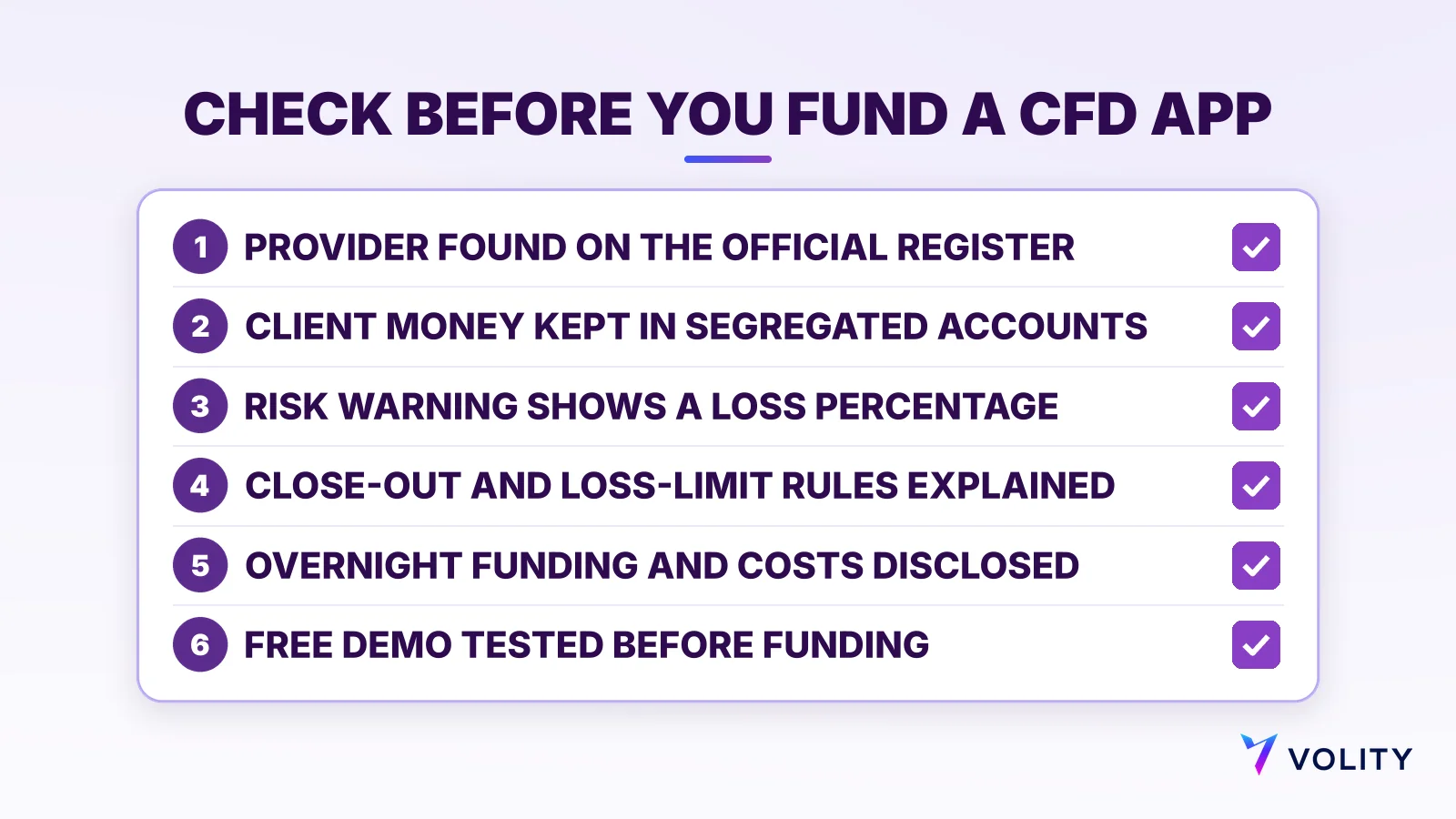
A CFD trading app is only as safe as the firm behind it. Before you fund one, check that the provider is on a regulator’s register and keeps client money in segregated accounts. Read the risk warning and the percentage of retail accounts that lose money. Find the close-out and loss-limit rules, and the overnight costs. Then test the app on a free demo.
TL;DR: Judge a CFD app by the firm that runs it. Find the firm on the official register, confirm that client money is kept apart from the firm’s own money, and read the standardised risk warning with its loss percentage. Check the margin close-out and loss-limit rules, and find the overnight funding cost in the cost disclosure. Place test orders on a free demo before you deposit.
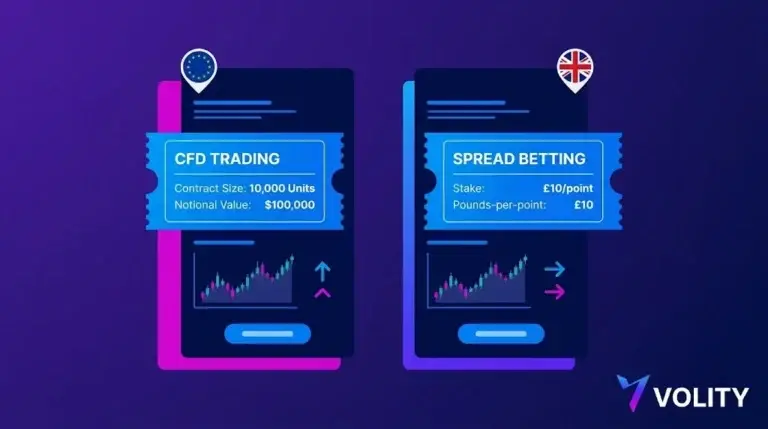
This guide uses the regulators’ own wording: the FCA in the UK, ESMA and EU law, and ASIC in Australia. A contract for difference (CFD) is, in the FCA’s words, “a way to bet on the price of a share or asset moving up or down without owning it”. The app is the screen where you place those trades, so most of the checks below are about the firm and what it discloses.
A CFD app is only a screen, so check the firm behind it
The FCA’s position is blunt: “CFDs are high-risk products, which are not suitable for all retail consumers” (FCA CFD page). In 2016 the regulator described CFDs as complex instruments “offered by investment firms, often through online platforms”. Its analysis of a sample of client accounts found that “82% of clients lost money on these products” (FCA, December 2016).
ESMA reported a similar range for the EU in 2018: “74-89% of retail accounts typically lose money on their investments” (ESMA, March 2018). These figures are old and cover the whole industry. The figure that applies to one app is the one in its provider’s own risk warning.
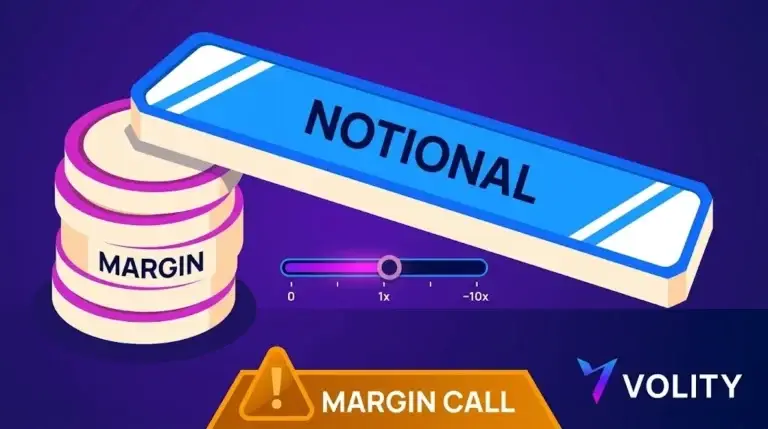
The reason is leverage. You put up a deposit, called margin, and control a position larger than that deposit. Gains and losses are worked out on the full position, so a small price move can use up a large share of your margin. What differs between providers is who regulates them, how they hold your money, what their warnings say and how clearly they show costs.
Check the regulator and where your money sits
Start with the register. Find the provider’s legal name and licence number in the app’s legal footer or terms. Then search for them on the FCA Financial Services Register in the UK, the ESMA registers for EU firms, or the national regulator, such as CySEC in Cyprus. The name, the number and the website on the register should match the app. Our guide to safe trading platforms for beginners walks through the search in more detail.
Next, ask where your deposit is held. Client money should sit in segregated accounts, which means accounts kept apart from the firm’s own money. Here is how Volity words it. Client deposits are kept in separate (segregated) bank accounts, apart from the firm’s own money. Where UBK Markets Ltd provides the trading service, execution and client-money handling are governed by its client agreement and policies; UBK Markets Ltd is authorised by CySEC, licence 186/12. For eligible claims relating to covered investment services provided by UBK Markets Ltd, Cyprus Investor Compensation Fund protection may apply, subject to the scheme’s rules and limits.
Know what a compensation scheme does. The European Commission says investor compensation applies “if an investment firm fails to return the investor’s assets”. It “does not cover investment risk, such as when an investor has bought stocks which then fall in value” (European Commission). The UK scheme says the same in plainer words: “We can’t accept any claims that are for poor investment performance” (FSCS). A trading loss is never a compensation claim.
Finally, see who handles complaints. The UK Financial Ombudsman Service can look at CFD complaints about “a stop order or margin call”, and it states: “Our service is free”. Check which complaints route the app’s terms name.
The risk warning and protections the rules require
The UK and the EU brought in the same core rules for retail CFD accounts. ESMA introduced them from 1 August 2018 (ESMA final measures). The FCA made its version permanent from 1 August 2019 (FCA permanent restrictions). In the FCA’s list, firms must:
- limit leverage on opening a position, between 30:1 and 2:1 depending on the asset;
- close out a customer’s position when their funds fall to 50% of the margin needed to keep their positions open;
- provide protections that “guarantee a client cannot lose more than the total funds in their CFD account”;
- stop offering money or gifts to encourage trading;
- give a standardised risk warning, which means they must “tell potential customers the percentage of their retail client accounts that make losses”.
ASIC’s order took effect on 29 March 2021 and was extended to 23 May 2027. Its earlier reviews “found that most retail clients lose money trading CFDs”. In the first six months of the order, ASIC recorded “a 91% reduction in aggregate net losses by retail client accounts” (ASIC 22-082MR).
In the app, look for the risk warning on the sign-up and home screens, and note the percentage. Then find the close-out and loss-limit terms in the client agreement for your account. Which rules apply depends on the firm that serves you and where you live, so read them.
The sign-up questions matter too. Under MiFID II, Article 25(3), EU firms ask about your knowledge and experience. If the product does not look appropriate for you, “the investment firm shall warn the client or potential client”. Answer honestly, and take that warning seriously.
A CFD order worked through, step by step
This example is hypothetical, with round numbers and no costs. Say you deposit USD 250 and buy a CFD on a share index at 5,000 points, at USD 1 per point. Your exposure is 5,000 × 1 = USD 5,000. Say the provider asks for 5% margin. Then 5,000 × 5% = USD 250, so your whole balance is held as margin.
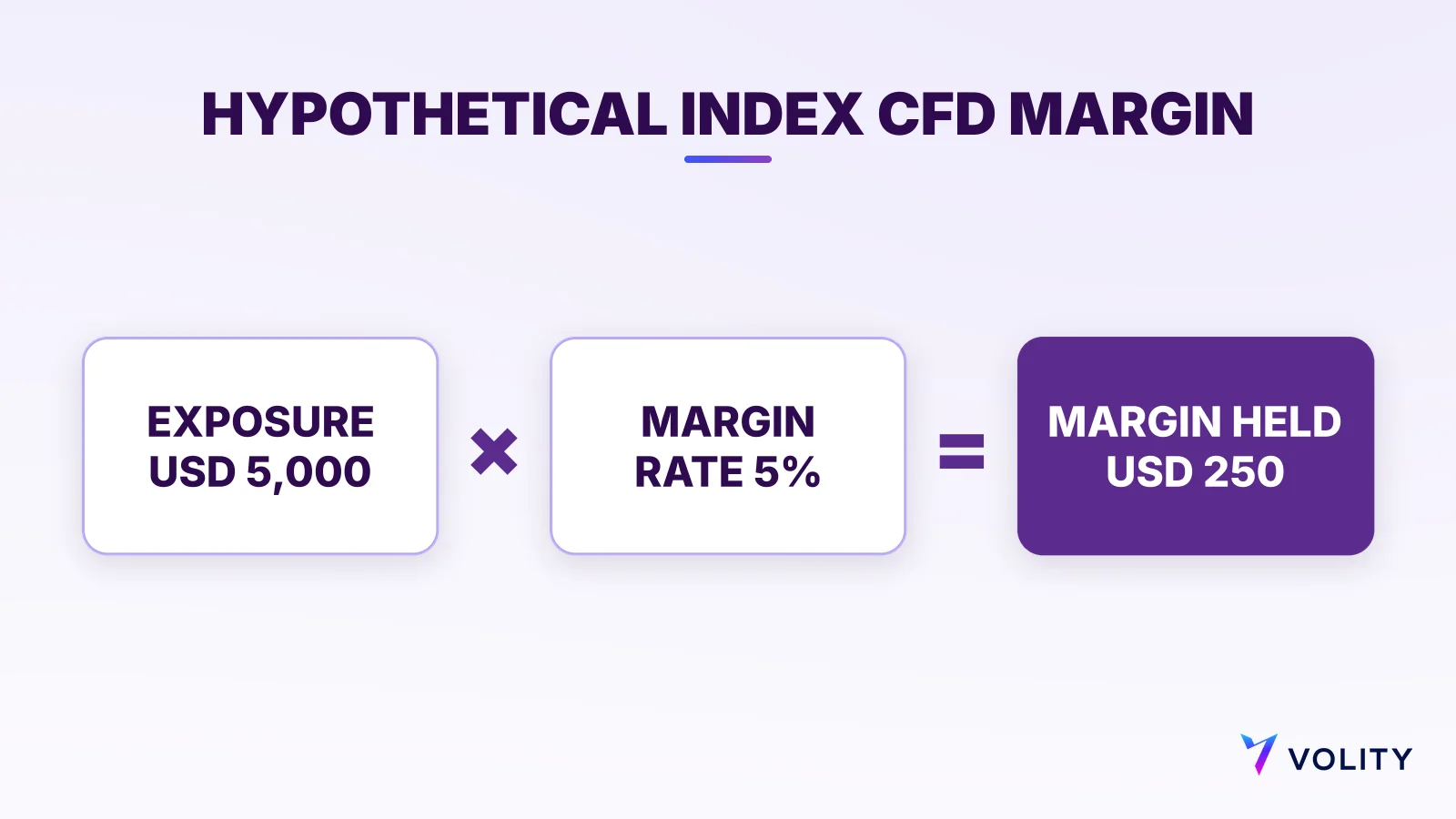
You set a stop-loss at 4,900 and a take-profit at 5,150. If the index falls 100 points, a 2% move, the stop closes the trade for a USD 100 loss. That is 40% of your margin. If the index rises 150 points, a 3% move, you gain USD 150. A 150-point target against a 100-point stop gives a reward-to-risk ratio of 1.5, which our guide to the risk-reward ratio explains.
Now take away the stop. Under the UK and EU retail rule, the position is closed when your funds fall to 50% of the margin needed. Half of USD 250 is USD 125, so the close-out comes after a USD 125 loss, at 4,875 points. That is a 2.5% fall in the index. Real trades also pay the spread and, when held overnight, a funding charge, so each result here would be slightly worse.
Order types and risk controls to test
Learn what each order does before you trust it with money:
- A market order fills at the next available price.
- A limit order buys or sells only at your price or better.
- A stop-loss closes the trade when the price reaches a level you set, to cap the loss.
- A take-profit closes the trade at your profit target.
- A trailing stop moves with the price by a set distance when the trade goes your way.
In a fast market a stop can fill at a worse price than you set. That gap is called slippage. Remember that the margin close-out is the firm’s rule, while a stop-loss is your own order. Set your stop so it acts well before the firm’s rule would.
Watch how the app makes you feel, too. Verena Ross, ESMA Chair, said in 2022: “Gamification techniques in trading apps and personal recommendations on social media may cause retail investors to engage in trading behaviour without understanding the risks involved” (ESMA, April 2022). If an app rewards you for trading more often, slow down. Our guide on how to avoid overtrading has practical limits to set.
How to read the costs, overnight funding included
A CFD trade can carry several costs. The spread is the gap between the buy and the sell price. Some accounts charge a commission. Positions held overnight pay or receive a funding amount. If the instrument is priced in a currency other than your account’s, a conversion applies.
Overnight funding is the cost people check least. In November 2025 the FCA found firms “applying varying levels of overnight funding charges without providing clear justification”. It added that “the potentially significant charges often were not adequately disclosed”. Mark Francis, director of sell-side markets at the FCA, said: “It is also important that consumers shop around and ensure they fully understand the investment and its costs” (FCA, 13 November 2025). Under the Consumer Duty, CFD firms “must ensure the price a consumer pays is reasonable compared to the overall benefits they can reasonably expect to receive”.
EU law sets how costs must be shown. MiFID II, Article 24(4), requires cost information to be aggregated so the client can “understand the overall cost as well as the cumulative effect on return of the investment”. It adds that “where the client so requests, an itemised breakdown shall be provided”. Article 50 of Delegated Regulation 2017/565 gives the detail. So ask for the itemised breakdown if the app does not show one.
On Volity, the Markets account is commission-free and spreads are dynamic, starting from 0.6 pip. Positions held past 22:00 GMT may pay or receive an overnight (swap) amount, based on the interest-rate differential, or the leverage cost for non-forex CFDs. The rate for each instrument is shown on the platform, and the full cost schedule is on the Volity charges and fees page.
Test the app on a free demo before you fund it
A demo account lets you place orders with virtual money, so you can run every check above at no risk. Work through it in this order:
- Find the provider’s legal name and licence number in the app, and search for them on the register.
- Read the risk warning and write down the loss percentage it shows.
- Open the cost disclosure and find the spread, any commission and the overnight funding for one instrument you plan to trade.
- Place a market order and a limit order, and compare each fill with the price you saw.
- Add a stop-loss and a take-profit to an open position, then move both.
- Find where the app shows margin used and free margin, and work out the loss at which the close-out would act.
The free demo is available on every Volity account tier. Volity’s platform is Volity MT, built on MatchTrade and TradingView, with 350+ CFD instruments to test.
When the checks pass, you can move to a live account. A Volity Markets account starts from $1, with funding from 10 EUR.
If any app will not show you its register entry, its loss percentage or its overnight funding cost, you already have your answer about that app.
Fact check: Regulator wording from the FCA (releases of 6 December 2016, 1 July 2019 and 13 November 2025, and its CFD page), ESMA (releases of March 2018, June 2018 and April 2022), ASIC (release 22-082MR), MiFID II and Delegated Regulation 2017/565 on EUR-Lex, the European Commission, the FSCS and the Financial Ombudsman Service, all read 11 November 2026. Volity details from volity.io, checked 11 November 2026. The order example is hypothetical.
Frequently asked questions
What is a CFD trading app?
It is the mobile or web screen where you open and close contracts for difference. A CFD lets you trade on a price moving up or down without owning the asset. The app is only the interface, so the firm behind it matters most.
How do I know if a CFD app is safe to use?
Search the provider’s legal name and licence number on the regulator’s register. Check that client money is held in segregated accounts, read the risk warning and its loss percentage, and find the close-out rule and the full cost disclosure before you deposit.
Can I lose more than I deposit on a CFD app?
Under the FCA and ESMA rules for retail CFD accounts, firms must provide protections that “guarantee a client cannot lose more than the total funds in their CFD account”. You can still lose all of those funds, so read the terms for your own account.
Why does a CFD app show a loss percentage?
UK and EU rules require a standardised risk warning that tells potential customers the percentage of the firm’s retail client accounts that make losses. It is that provider’s own figure, so compare it between apps before you choose.
What costs should I compare between CFD apps?
Compare the spread, any commission, the overnight funding on positions held past the daily cut-off and any currency conversion. The FCA found in 2025 that overnight funding was often not clearly disclosed, so look for it first.
Should I try a demo before trading CFDs with real money?
Yes. A demo lets you place market, limit and stop orders, see how margin and the close-out work, and find each cost on the screen, all without risking money. Fund the account only when every check has passed.