Investing in financial products involves risk. Losses may exceed the value of your original investment.
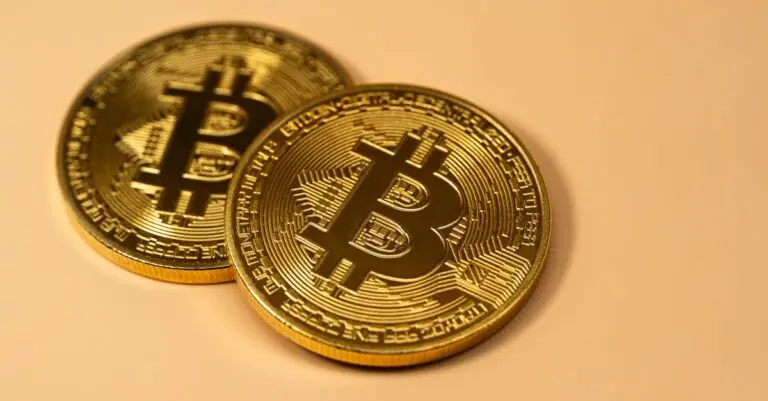
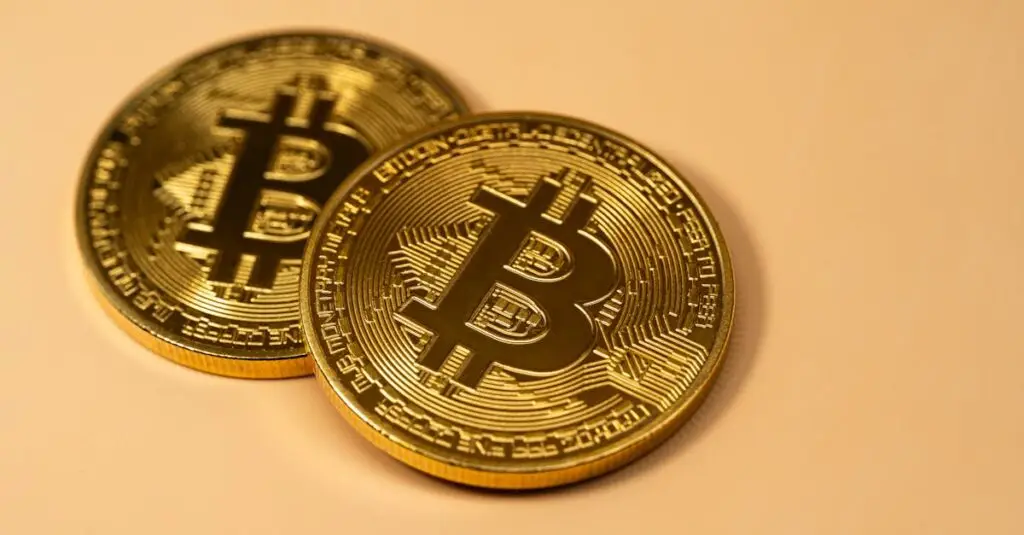
Crypto news bitcoin is a core topic for traders in 2026. The complete guide follows.
Lolli and Slice unite: a new era for Bitcoin rewards
The hunt for Bitcoin just got simpler-and a bit more rewarding. Lolli, a leader in the Bitcoin rewards space, has acquired Slice, the browser extension that allows users to earn Bitcoin while browsing the internet. This merger aims to consolidate a fragmented industry, bringing passive Bitcoin earning to the mainstream. Users can now combine shopping and browsing rewards, offering a seamless way to “stack sats” without any extra hoops-just Bitcoin, passively earned.- Lolli has rewarded over 600,000 users through partnerships with more than 50,000 retailers and over 1,000 mobile games.
- The acquisition springs from Thesis, a venture firm with a growing ambition for BitcoinFi, aiming to unite shopping and browsing incentives and develop a “circular Bitcoin economy.”
- Withdrawal options are broadening, thanks to integration with Mezo-unlocking new opportunities for global users and retail partners.
- Slice enhances a large merchant network and encourages earning without altering user habits, potentially making Bitcoin adoption a smoother journey.
Ethereum at the crossroads: resilience or capitulation?
Ethereum finds itself at a critical psychological barrier around $4,000. Bulls struggle to breach this resistance, which raises concerns about potential capitulation if support weakens. Nevertheless, the overarching view isn’t simply bleak. Technical indicators suggest short-term vulnerability but exhibit mid-term optimism, projecting the possibility of a 7-21% rise in forthcoming weeks. Predictions tilt towards prices reaching $4,664 in November and might extend to $4,322 by December.- Currently, Ethereum’s price hovers around $3,866, with technical support located in the $3,600 to $3,750 range.
- Some analysts see signals for a comeback, with a bold few predicting a climb to $6,500 if bullish sentiment returns.
- This potential resilience is backed by ongoing institutional flows and a diversifying DeFi ecosystem, despite reflecting current adversities.
Market currents: who’s rising, who’s reeling?
A flurry of significant events is reshaping sentiment across the crypto landscape:- Ripple is launching a new digital asset spot prime brokerage in the US, a strategic initiative to support institutional flows and further integrate XRP into traditional markets.
- TIME magazine has included “crypto and blockchain” in its 2025 Top 300 Best Inventions, a testament to how these technologies have permeated mainstream consciousness despite ongoing regulatory debates.
- Bitcoin struggles under the weight of “worst Q4” speculation, with analysts suggesting a drop below $100,000 amidst an atmosphere of “extreme fear.” Dwindling bullish momentum and ETF outflows are causing jitters, although some savvy traders spot opportunities in the turbulence.
- The Unofficial GIGGLE token has spiked to $110, fuelled by speculative trading on Binance. This dramatic movement sparks discussions about froth and the pervasive FOMO sentiment in current markets.
- Animoca Brands aims for a Nasdaq listing through a reverse merger, positioning itself at the intersection of the metaverse and Wall Street.
- Meanwhile, Solana and Polygon exhibit volatility, highlighted by falling exchange reserves and ETF inflows sending mixed signals. The drop in Solana prices, despite $199 million in ETF inflows, raises questions about the adequacy of institutional demand in stabilising token value in rocky waters.
- Security concerns are in sharp focus after a $116 million cyberattack on the Balancer protocol, underscoring the inherent risks alongside the potential rewards in crypto investing.
Spotlight: regulatory shakeups and tech turns
- The EU is considering broader powers for ESMA, its financial markets authority, to oversee crypto and stock exchanges-a sign that regulatory frameworks are set to tighten further in the coming year.
- Hong Kong is welcoming global liquidity for crypto exchanges with a new licensing regime, vying for dominance as regional hubs compete for leadership in digital assets.
- Zerohash, a stablecoin firm, has secured a MiCA license in the Netherlands, positioning itself favourably as Europe braces for transformative digital finance regulations.
Quick bites and market wisdom
- Passive income goes supercharged: If you browse, shop, or play online, your routine can now help fund your digital wallet-no trading necessary.
- Volatility is the new normal: With macroeconomic jitters and rapid changes in institutional flows, expect sharp swings and opportunities for astute traders to profit.
- Monitor the regulatory pulse: With ESMA aiming for regulatory expansion and MiCA’s new framework on the horizon, keep an eye on evolving rules that influence market dynamics.
Guidance for the day: watch, weigh, and stay nimble
Today’s crypto currents present a dual-edged sword of threats and prospects. With increasing platform mergers easing passive earning and escalating regulatory and security risks, adaptability remains key. Pay close attention to resistance and support zones-particularly Ethereum’s $4,000 level and Bitcoin’s $100,000 threshold. However, don’t overlook the gradual progress: passive rewards, novel financial products, and the unyielding push toward a world where crypto becomes as routine as the morning coffee.In the current landscape, crypto serves a reminder: among the flashy headlines and sudden swings, steady accumulation and practical utility may prove to be the enduring strategy against even the wildest token fluctuations.For more on this topic see our deep-dives on Bitcoin Price Forecast: How Fed Rate Cuts Drive Crypto Rallies, Crypto News: $50M USDT Heist, UNI Burn Vote, Bitcoin and Token Unlocks, and Bitcoin Slides Toward $85K: Wall Street Jitters and Institutional Buying.
For more on this topic see our deep-dives on Korean Fintech Merger Shakes Crypto Market as Solana ETFs See Outflows, Crypto Market Today: BTC Range, ETH Risk, BNB Drawdowns, and Crypto Market Update: Bitcoin, Ethereum and Altcoin Volatility Explained.
For more on this topic see our deep-dives on European Banks and Stablecoins: What MiCA-Era Crypto Means for BTC, Ethereum ETFs and the USDC Welfare Pilot Reshaping Finance, and Kyrgyzstan Gold-Backed Stablecoin USDKG: Secure Crypto Investment Trends.
By Volity Editorial, Volity research desk.
What our analysts watch: Three reads anchor a serious view of the BitcoinFi rewards cycle and the broader November tape. Active-user growth across the merged Lolli-Slice merchant network functions as a leading indicator for the “passive Bitcoin accumulation” thesis, with the next durable retention signal arriving in the first quarterly merchant-volume disclosure. Ethereum-resistance behaviour at $4,000-$4,100, where multi-session volume expansion above the level separates a genuine breakout from a wick that fades, defines the November risk-reward geometry for ETH-correlated altcoins. And institutional infrastructure flow (Ripple prime brokerage, Zerohash MiCA approval, ESMA expanded oversight proposals) shapes the medium-term liquidity picture across regulated venues, which has compressed risk premiums on the cleanest counterparties.
Related coverage on Volity
- How to Avoid Crypto Scams: A Beginner Safety Checklist
- How to Choose a Trading Platform: A 10-Point Checklist
- Demo vs Live Trading Account: A 7-Step Checklist Before You Go Live
- How to Size a Trade: Position Sizing and Risk Per Trade for Beginners
- Risk-Reward Ratio Explained: How to Set It and Why It Matters
- ETF vs Index Fund: The Difference and Which to Pick
Frequently asked questions
How does Investopedia frame Bitcoin-back rewards programmes against direct accumulation?
The Investopedia primer on Bitcoin covers the asset taxonomy and explains why incremental sat-stacking through merchant rewards is functionally equivalent to dollar-cost-averaging at small ticket sizes, with the marginal cost being merchant participation rather than spot-market spread. The practical implication for active accumulators: rewards programmes shift the friction from exchange-onboarding and fiat-rails to pre-existing shopping habits, which materially changes the addressable user cohort against direct-purchase channels.
How does FATF guidance shape regulated stablecoin and merchant-payments expansion?
The FATF Travel Rule and updated virtual-asset-service-provider guidance set the global compliance baseline for stablecoin issuers and BitcoinFi platforms operating across jurisdictions, with the EU MiCA framework and the U.S. enforcement perimeter both anchored in the FATF standard. The structural read for traders watching the institutional rails (Zerohash MiCA, Ripple prime brokerage, Coinbase-BVNK conversations): regulatory-perimeter clarity is now the marginal scarce input rather than technical capability.
How does ESMA leverage policy apply to ETH-CFD trades around the $4,000 break?
The ESMA product intervention framework for retail CFDs caps cryptocurrency CFD leverage at 2:1 for retail clients, with mandatory negative-balance protection and standardised risk warnings. The structural implication for ETH traders sizing into the $4,000 resistance break: stop placement (typically just below the breakout candle low) defines the unit risk, and ESMA-aligned leverage determines maximum position size before margin breach. Volity, accessed via UBK Markets under CySEC licence 186/12, applies the full ESMA retail framework with segregated client funds.
Related guides
- Bitcoin explained
- Ethereum explained
- Cryptocurrency trading
- Crypto trading platforms
- Best crypto investments
Volity operates a trading platform and also publishes educational and analytical content about trading. The content on this page is for educational purposes only and should not be considered financial advice. Volity may benefit commercially when readers open trading accounts through links on this site.
Our content is produced and reviewed under documented editorial standards; see our comparison and review methodology.