Crypto Market Turns Cautious as Regulation, Stablecoins and Macro Shocks Dominate the Tape
Crypto has opened June with a split personality. The plumbing looks more respectable, yet the prices look tired. Payments companies are adding stablecoins, regulators are sketching firmer rules, and exchanges are chasing institutional flows. However, Bitcoin and Ethereum are still trading like assets that need a cleaner macro backdrop.
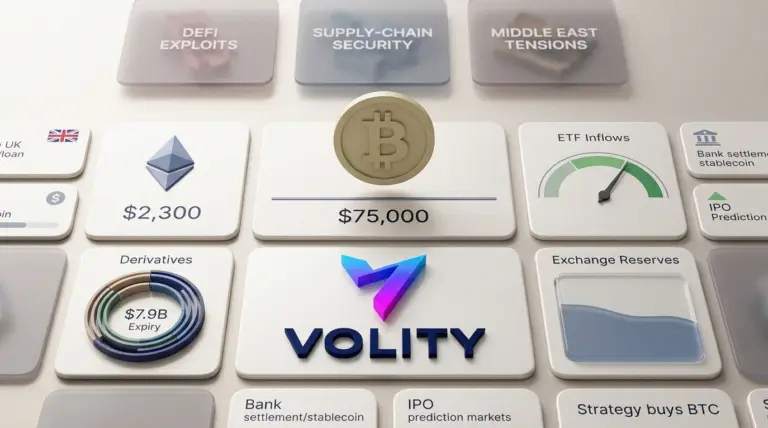
Bitcoin recently slipped towards $73,000 after touching about $83,000 in May. Meanwhile, Ethereum fell below $2,000, with traders watching the $1,800 area as the next important line. ETF demand has changed the market’s structure, but it has not removed old-fashioned fear from the tape.
That fear now has several sources. Macro stress has returned, ETF flows have softened, and geopolitical risk is harder to ignore. As a result, the market debate has turned sharper: is this a routine correction, or is the 2026 bull phase losing its pulse?
Why the Tape Feels Nervous
Bitcoin remains the market’s main weather vane. If it holds the low $70,000s, bulls can still argue that the trend merely needs rest. However, a failure there would bring $60,000 back into the conversation, especially if risk assets wobble further.
Ethereum looks more vulnerable. It has less of Bitcoin’s reserve-asset narrative, and recent ETF outflows have hurt sentiment. The $1,800 support zone matters more than it might in a calmer market. A clean break could force leveraged traders to reduce exposure quickly.
Altcoins, as usual, are taking their cues from both. When Bitcoin stalls and Ethereum weakens, speculative tokens rarely find their own oxygen. For now, liquidity favours the largest names and the cleanest stories.
By the Numbers
- $83,000 – Bitcoin’s approximate May high before the latest retreat.
- $73,000 – Recent area where Bitcoin changed hands as momentum faded.
- $2,000 – Level Ethereum has struggled to reclaim.
- $1,800 – Support area traders are watching in ETH.
- July – Expected timing for the US Bitcoin Reserve blueprint.
Regulation is Now a Price Input
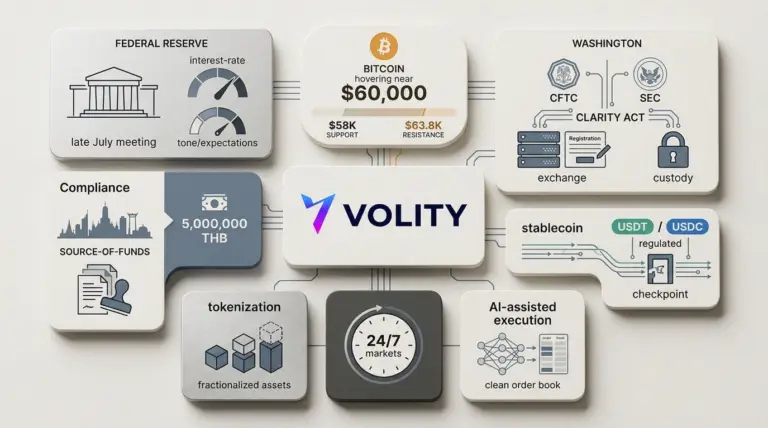
The policy calendar has become too busy to treat as background noise. In Washington, the US Bitcoin Reserve blueprint is due in July. Meanwhile, the ESMA investor protection’s 2030 strategy has encouraged traders to expect a more structured rulebook over the next few years.
The CLARITY Act is also moving through the Senate queue. The Blockchain Association has lined up 160 former officials to support the push, which gives the lobbying effort added weight. However, the politics remain uneven. Democrats are pressing the Labor Department to scrap a crypto pension proposal, keeping retirement access to digital assets firmly contested.
Outside the United States, the regulatory map looks just as crowded. The UK FCA has warned Premier League clubs about crypto sponsorship risks. In Parliament, the House of Lords has raised concerns that the Bank of England could smother pound stablecoins before they reach scale. Brazil, meanwhile, is preparing tougher audit mandates for exchanges.
For traders, the message is clear enough. Regulation is not just a legal story any more. It can move valuations, product launches, exchange strategy and liquidity within days.
Stablecoins Are Moving from Edge to Centre
The most durable growth story still sits in stablecoins. Mastercard is adding USDC, RLUSD and PYUSD to its global settlement network, a move that brings tokenised dollars closer to everyday financial plumbing. That does not make crypto dull. It makes part of it useful.
Several smaller developments point the same way. Franklin Templeton and MoonPay are opening a fresh access route for the BENJI fund. MoneyGram has unveiled MGUSD on Stellar. At the same time, New York and European regulators are drawing closer on stablecoin risks, especially the danger of depegs.
That matters because stablecoins now sit between two worlds. In crypto, they provide trading liquidity. In traditional finance, they promise faster settlement and cheaper cross-border movement. The sector may attract capital even when speculative tokens struggle.
Still, scale invites scrutiny. A payment token that works for traders can be messy for policymakers once households, banks and merchants enter the picture. The next fight will not be about whether stablecoins matter. It will be about who controls their guardrails.
Exchange Strategy is Changing Fast
Binance offers a neat snapshot of the industry’s shift. The exchange is shutting down its NFT marketplace after a prolonged slump in digital collectibles. Meanwhile, it has disclosed a stake in Alpaca as it expands its stock-trading ambitions.
That contrast says plenty. Side products built for speculative energy are shrinking. Infrastructure, brokerage access and settlement rails are attracting the remaining growth capital. In plain market terms, crypto firms are following fee pools rather than fashion.
CME’s move towards 24/7 crypto trading adds another piece to the same puzzle. Professional finance wants round-the-clock access, but it also wants transparent venues, margin discipline and familiar processes. Crypto is being absorbed into traditional markets, not merely celebrated outside them.
Custody Risks Have Not Gone Away
Security headlines are also keeping risk managers awake. Microsoft has warned crypto wallet users about a new npm trojan threat. Separately, Trezor says Safe 7 funds remain safe after Ledger identified a chip flaw.
These stories rarely move prices for long, but they matter. Crypto custody still depends on software integrity, hardware trust and supply-chain hygiene. For institutions, those details are not technical footnotes. They help determine position size, insurance cost and whether a mandate is approved at all.
Retail investors should pay attention too. The market has matured, yet a compromised wallet can still turn a winning trade into a total loss. That is a brutal feature of self-custody, not a temporary inconvenience.
Geopolitics Returns to the Market
Politics is cutting back into sentiment. The US Treasury has sanctioned Nobitex, Iran’s largest crypto exchange. At the same time, traders are weighing whether Iranian retaliation against US strikes could pressure Bitcoin towards $60,000.
Prediction markets and campaign finance are also moving into the picture. George Santos is reportedly under Justice Department investigation over Kalshi trades linked to a Trump speech. Crypto PACs, meanwhile, are putting money into primaries ahead of a Maryland race.
The point is not that every political headline deserves a trade. Many do not. However, digital assets now sit inside sanctions policy, elections, payment systems and retail portfolios. That makes the market broader, but also harder to price.
Related coverage on Volity
- AI Stocks to Watch: NVDA, TSM, CRWV and MRVL in Focus
- Bitcoin ETF Outflows Hit $3.45bn as Wall Street Shifts Crypto
- NVDA Leads: How to Read the Daily Watchlist Like a Pro
- Bitcoin ETF Outflows Hit $1.67bn as XRP ETF Inflows Surge
- Crypto Market Today: Bitcoin Fork Fears, BNB $820, Vietnam Loans
Key Takeaways
- Watch Bitcoin first. A hold near $73,000 keeps the bull case alive; a break reopens $60,000 risk.
- Ethereum needs buyers soon. The $1,800 area is the practical line for many short-term traders.
- Stablecoins remain the strongest structural story. Mastercard’s support gives settlement tokens more credibility.
- Policy timing can move the tape. July’s US Bitcoin Reserve blueprint may shape the summer narrative.
- Exchange winners are changing. Capital is shifting from NFTs towards infrastructure, brokerage and settlement.
For now, crypto is not trading on one grand story. It is being pulled between macro caution, regulatory design, payment adoption and the industry’s own clean-up. That makes the next few weeks less euphoric, but far more interesting.