Investing in financial products involves risk. Losses may exceed the value of your original investment.
You want to protect your money when trading. Markets move unpredictably, and prices rise or fall in seconds. A stop-loss order helps you control losses (see the SEC investor bulletin on stop orders). It closes a trade automatically once the price hits a level you set. Traders use stop-loss orders to prevent unexpected losses. You don’t have to watch prices all day. Your trade exits at the right moment. Without a stop-loss, losses can spiral out of control.
How do you use a stop-loss order? What are the best strategies to set the right level? You will learn the answers step by step.
While understanding Stop Loss Orders is important, applying that knowledge is where the real growth happens. Create Your Free Forex Trading Account to practice with a free demo account and put your strategy to the test.
What Are Stop Loss Orders?
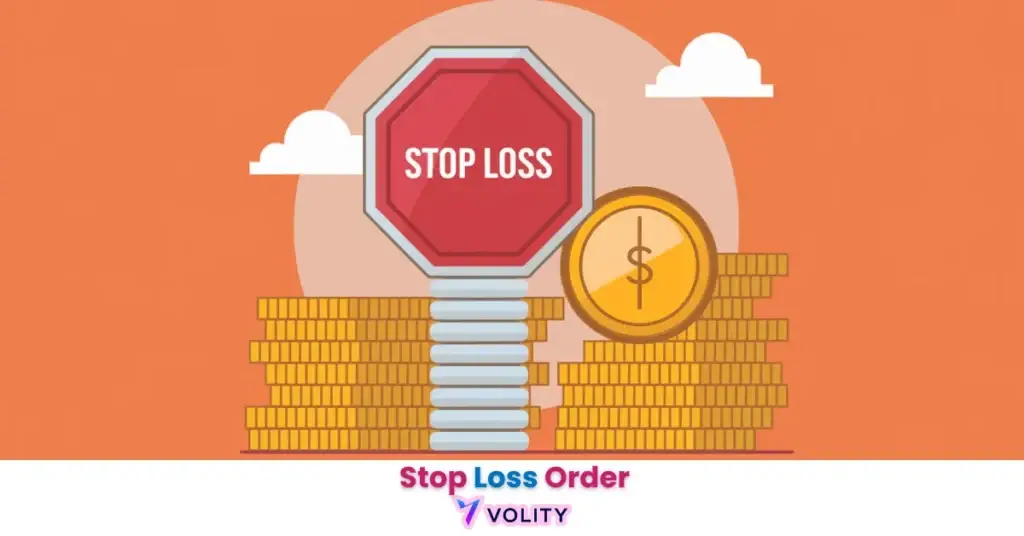
You need a plan to protect your trades. Prices move fast, and losses add up quickly. A stop-loss order helps you exit a trade before the losses grow too large. Your broker sells the asset when the price reaches your chosen level. You don’t have to watch the market all day because stop-loss works automatically.
Why do traders use stop-loss orders? Markets change because of news, trends, or investor reactions. A trade that looks good now may turn bad later. Without a stop-loss, you risk losing more than expected.
Do you want to keep losses under control? If you learn how stop-loss orders work, it helps you trade with confidence.
Types of Stop Loss Orders
Stop placement is most effective when sized to volatility, see our ATR (Average True Range) guide for the volatility-adjusted approach.
You need the right stop-loss order to control risk. Different types give you different levels of protection. If you choose wisely, it helps you stay in control.
- Standard Stop Loss Order: The trade closes when the price hits your stop level. Your broker sells at the next available price. Sudden price drops may cause you to exit lower than expected.
- Trailing Stop Loss Order: The stop level moves as the price rises. You secure profits without closing the trade too soon. The stop remains at the highest point reached before the market turns.
- Stop Limit Order: The trade sells only at your chosen price or higher. You avoid slippage but risk the trade staying open if the price moves too fast. This order gives control but requires careful placement.
Which stop-loss order fits your strategy? It is important to understand the differences and help you protect your trades. Let’s see how to set them up.
Ready to Elevate Your Trading?
You have the information. Now, get the platform. Join thousands of successful traders who use Volity for its powerful tools, fast execution, and dedicated support.
Create Your Account in Under 3 MinutesHow to Set a Stop Loss Order?
Anchor stops at clean support and resistance levels rather than arbitrary percentages, the levels matter more than the math.
You need a stop-loss order to manage risk. Placing it at the right level prevents unnecessary losses. You can see well-placed stop keeps your trade safe without closing too soon.
Pick the Right Stop Level
Your stop price should allow natural market movement. A stop set too close exits the trade too early. A stop placed too far increases risk.
Use Key Market Levels
Support and resistance levels help you decide where to set your stop. Stops below support work in an uptrend. Stops above resistance work in a downtrend.
Match It to Market Volatility
Some assets move more than others. A stable stock needs a tighter stop. A volatile asset requires a wider stop. The Average True Range (ATR) helps measure price swings.
Enter It on Your Trading Platform
Most brokers let you add a stop-loss when placing an order. You choose the stop price before confirming your trade. The system activates the stop automatically.
Do you want to avoid large losses? A well-placed stop-loss helps you trade with confidence.
Best Stop Loss Strategies For Protecting Investments
You need a strong strategy to place stop-loss orders. Your cowell-placed stop protects your capital and prevents major losses. A poorly placed stop leads to unnecessary exits and missed opportunities.
- Set Stop-Loss Based on Market Volatility
Price movements vary across assets. A volatile stock requires a wider stop-loss. A stable asset needs a tighter stop. Research on Apple stock showed a 32.15% higher return when traders optimized stop-loss levels. (Source)
- Avoid Stops That Are Too Close to Entry Price
Markets fluctuate daily. A stop placed too close gets triggered too soon. Many experts recommend setting stops at a level that allows natural price movement. (Source)
- Follow a Risk-Reward Ratio
A good stop-loss strategy limits losses and maximizes gains. Many traders follow a 1:3 risk-reward ratio, meaning for every $10 at risk, the target profit is $30. Investors.com suggests cutting losses at 7%-8% and taking profits at 20%-25%. (Source). These calculated levels should align with your margin limits to ensure capital safety and compliance with broker equity requirements.
- Use a Trailing Stop to Secure Profits
A trailing stop moves as the price rises. The stop locks in gains while keeping the trade open. A study found that trailing stop strategies outperformed fixed stops in various market conditions. (Source)
- Review and Adjust Stop-Loss Orders
Markets change, and stop-loss levels should adjust too. A study showed that static stop-loss orders did not always reduce losses compared to holding a trade without one.
How do you improve your risk management? A strong stop-loss strategy prevents emotional trading and protects your investments.
Pros and Cons of Stop Loss Orders
A stop-loss order helps you manage risk. It keeps losses under control and removes emotion from trading. Traders rely on it to exit positions automatically.
Not every situation benefits from a stop-loss order. Some trades need more flexibility. Market conditions affect how well stop-losses work.
| Pros | Cons |
| Prevents Large Losses – Closes trades before losses grow too big. | No Guaranteed Execution – Fast price drops may skip past the stop level. |
| Eliminates Emotional Trading – Stops panic decisions. | Triggers on Small Swings – Stops may activate due to normal market movement. |
| Works Automatically – No need to watch prices all day. | Slippage Risk – The sell price may be lower than expected. |
| Secures Profits – Trailing stops help protect gains. | Not Ideal for Every Trade – Long-term investors may exit too early. |
| Useful in Any Market – Works in stocks, forex, and crypto. | Gaps Affect Execution – Overnight changes may cause unexpected losses. |
Stop Loss Order Examples
You need real examples to see how stop-loss orders work. You need to set them at the right level to prevent major losses. Furthermore, good stop-loss strategy keeps trades safe.
Basic Stop Loss Example
A trader buys Amazon (AMZN) stock at $100 per share. The goal is to limit losses. A stop-loss order is set at $90 to cap the risk at 10%.
- The stock drops to $90, and the order activates.
- The trader loses $10 per share but avoids a bigger loss.
- The trade stays open if the price never hits the stop level.
Trailing Stop Loss Example
A trader buys Tesla (TSLA) stock at $200. A 5% trailing stop-loss follows the price. The stop moves higher as the stock rises.
- The stock climbs to $220, which pushes the stop-loss to $209 (5% below).
- The price falls back to $209, which triggers the sell order.
- The trader locks in $9 per share instead of riding the full drop.
Stop Limit Order Example
A trader owns Apple (AAPL) shares and wants to sell at no less than $150. A stop-limit order ensures control over the price.
- The stop price is $155. The limit price is $150.
- The stock hits $155, which makes the order active.
- The trade executes only if buyers exist at $150 or higher.
- The order stays open if no one buys at the set price.
Do stop-loss orders fit your trading plan? No doubt using them correctly protects your money and keeps trades under control.
Adjusting Stop Loss Orders Based on Market Conditions
Markets do not move the same way every day. Prices rise and fall at different speeds. A stop-loss order should match current conditions to avoid unnecessary exits.
Wider Stops in Volatile Markets
Large price swings increase the risk of early stop-loss triggers. A tight stop leads to frequent losses. A wider stop keeps trades open during normal fluctuations. Well-calibrated stop levels also help traders avoid margin calls by ensuring positions don’t deteriorate past maintenance thresholds during sharp downturns.
- A stock moves 5% daily on average. A 2% stop-loss triggers too soon.
- A 6%-8% stop-loss gives the trade more room to develop.
- The Average True Range (ATR) measures volatility and helps set the right stop.
Trailing Stops in Strong Trends
A stock in an uptrend keeps making higher highs. A trailing stop helps secure profits without closing the trade too early.
- The price rises $10 above entry. A $2 trailing stop follows the movement.
- The stop moves up automatically as the price increases.
- The trade closes only if the price drops $2 from the highest point.
Tighter Stops in Sideways Markets
A stock moving in a small range lacks direction. A tight stop-loss prevents losses from slow, choppy movements.
- The price moves between $50 and $55. A $1 stop-loss controls risk.
- The stock lacks a clear trend. See, holding too long increases exposure.
- A break above $55 signals a potential trend shift.
How do you adjust your stop-loss orders? A flexible approach helps you stay in control. The right stop-loss strategy improves risk management and protects your investments.
Why Use Stop Loss Orders?
Stop-loss orders protect trades from unexpected losses. Markets move fast. Prices drop without warning. Small losses turn into bigger ones without an exit plan. A stop-loss order keeps capital safe and prevents unnecessary risks. No trade guarantees success. Well-placed stop-loss levels prevent large losses. A stock falls 20% in one day and erases gains. A 10% stop-loss exits early and limits damage. Small losses allow traders to stay in the game and recover.
Emotions lead to bad decisions. Fear forces early exit. Greed keeps positions open too long. Stop-loss orders remove hesitation and ensure disciplined trading. Trades close at pre-set levels without second-guessing. Within equity stop-loss strategies, these tools form the backbone of modern risk control, helping traders preserve capital and maintain consistent decision-making across volatile markets.
Markets change overnight. Stock prices drop when traders sleep. News shifts trends in an instant. Stop-loss orders activate at the right time and sell positions automatically. No need to react or monitor prices constantly.
Profits need protection and trailing stops lock-in gains and keeps trades open. A stock climbs $15 above entry and moves the stop-loss higher. A reversal triggers the exit and secures profits before the trend changes. Risk control separates successful traders from those who fail.
Turn Knowledge into Profit
You've done the reading, now it's time to act. The best way to learn is by doing. Open a free, no-risk demo account and practice your strategy with virtual funds today.
Open a Free Demo AccountFinal Thoughts
Strong risk management keeps traders in the game. Stop-loss orders limit losses and protect investments. No strategy guarantees success, but a well-placed stop-loss prevents small losses from turning into disasters. Markets change fast. Prices move without warning. A stop-loss order ensures trades close at the right time. No need for constant monitoring or quick reactions. Emotions cause mistakes. Fear pushes traders to exit too early. Greed makes them hold on too long. A stop-loss order enforces discipline and keeps decisions logical.
Risk control separates winners from those who lose money. Stop-loss orders keep losses small and allow gains to grow. In fact, smart strategy improves control and builds confidence. You can see trading without protection invites failure. A stop-loss order creates a safety net. Strong risk management leads to better results and long-term success.
Quick answer. A stop-loss order is a standing instruction to your broker to close a position when price reaches a predefined adverse level. It converts an unbounded loss into a known, sized cost, and is the single most important risk-management primitive in any active trading strategy. The three operational variants traders use most are the standard stop (fixed price), the trailing stop (locks in profit as price moves favourably), and the stop-limit order (executes only at or better than the stop price, accepting a non-fill risk).
What our analysts watch. Volity analysts treat the stop placement decision as more important than the entry decision. Stops belong at structural invalidation points, the price level beyond which the trade idea is objectively wrong, not at arbitrary percentages or pip distances. We size positions to the stop, never the other way around: pick the level the market has to violate to invalidate the setup, then back-solve position size from a fixed risk budget (typically 0.5–1% per trade). Trailing stops are a tool for trend-following systems, not for mean-reverting setups; using one in the wrong context tends to lock in noise rather than profit. The single biggest stop-loss mistake we see in retail account audits is widening the stop after entry, a behaviour that converts a discretionary trade into an unbounded loss.
Where should I place my stop-loss order?
At the price level that invalidates your trade thesis, typically just beyond the most recent swing high or low, the opposite side of a key support/resistance band, or one ATR beyond a clean structural reference. Avoid round numbers and obvious cluster zones; institutional flow tends to sweep those before resuming.
Can a stop-loss order guarantee my maximum loss?
Standard stops cannot, they trigger a market order at the stop price, but the actual fill can slip in fast-moving markets. Guaranteed stop-loss orders (GSLOs), where available, lock in the exit price for a small premium and are worth using around tier-1 macro events. Volity analysts add GSLOs to overnight and weekend positions in volatile pairs by default.
What is a trailing stop-loss and when should I use it?
A trailing stop adjusts the exit level as price moves in your favour, locking in unrealised gains while letting winners run. It belongs in trend-following strategies on H4 and above, where the trailing distance can be set to one ATR or a structural break of trend. It performs poorly in choppy, mean-reverting conditions where the trail gets clipped on routine retracements.
How do professional traders set stop-loss size?
By risk budget, not by chart distance. Decide what percentage of the account is at risk per trade (commonly 0.25–1%), then derive position size from the distance to the structural stop. This decouples stop placement from position sizing and removes the temptation to widen stops to “give the trade room”, the most common path to oversized losses.
Frequently Asked Questions
What our analysts watch: We track three things before any stop is placed. First, the structural invalidation level (the swing low or high that proves the setup wrong), not a round number or a percentage. Second, the average true range on the relevant timeframe, stops tighter than 1x ATR get hit by noise, stops wider than 3x ATR distort risk-reward. Third, slippage history at major news prints. When all three align, you can size the position so a stop-out costs the same dollar amount every time, the foundation of professional risk control.
Frequently asked questions
Should I use a fixed-percentage or volatility-based stop?
Volatility-based, almost always. A fixed 2% stop on a calm currency pair like EUR/CHF is generous; on a high-beta crypto it is a near-instant stop-out. Anchor stops to the average true range (ATR) on the timeframe you are trading, typically 1.5-2x ATR for swing trades and 0.5-1x ATR for intraday. Then size the position so that distance equals the dollar risk you are willing to take. The CME Group education hub has primers on translating ATR into contract size, the same logic applies to forex and crypto.
What is the difference between a stop-loss and a stop-limit order?
A stop-loss becomes a market order once the stop price is touched, you get filled but the price can be worse than the stop in fast markets (slippage). A stop-limit becomes a limit order at a price you set, protecting against bad fills but introducing the risk of no fill at all if price gaps through the limit. For risk control on volatile instruments, accept slippage and use a stop-loss. For passive exits on liquid assets, a stop-limit can capture better prices.
Can a stop-loss be hunted by market makers?
Stop hunts are real but mostly mechanical, not conspiratorial. Liquidity providers naturally seek the price levels with the densest resting orders, those clusters tend to sit at obvious technical levels (round numbers, prior day low). The defence is simple: do not place stops at the most obvious level. Set the stop slightly beyond the swing or use a structural invalidation point that is asymmetric to the herd. Brokers regulated under the FCA or ESMA cannot legally trigger stops on themselves, but on unregulated venues, treat tight clusters as fishing zones.
When should I move my stop to break-even?
Once the trade has reached at least 1R of unrealised profit (one unit of initial risk) and price action has confirmed the thesis (clean break of the entry structure, momentum holding). Moving too early converts winning trades into scratches and damages expected value. A common rule among institutional desks: move to break-even at 1.5R, then trail behind structure. Per FINRA investor education, the discipline of pre-defining trail rules in writing is what separates consistent traders from ones who give back gains.
Related guides
- Risk management
- Risk-reward ratio explained
- Setting up a forex trading account
- Forex trading for beginners
- Best forex trading strategies
Volity operates a trading platform and also publishes educational and analytical content about trading. The content on this page is for educational purposes only and should not be considered financial advice. Volity may benefit commercially when readers open trading accounts through links on this site.
Our content is produced and reviewed under documented editorial standards; comparison and review methodology is published here.