JPN225 is the CFD ticker for the Nikkei 225, Japan’s benchmark stock index. It tracks 225 leading companies on the Tokyo Stock Exchange, and it is price-weighted, so high-priced shares such as Fast Retailing and Tokyo Electron carry the most influence. JPN225, JP225 and Nikkei 225 all name the same index.
What is the JPN225?
The JPN225 is the trading ticker for the Nikkei 225, the oldest and most widely quoted measure of the Japanese stock market. Nikkei Inc., the Tokyo media group, has calculated the index since 1950, and it covers 225 major companies on the Prime Market of the Tokyo Stock Exchange. Japan sits near the front of the global trading day, so the JPN225 is often the first large move that European traders check each morning. Different platforms label it JP225, N225 or Japan 225, but these are one index under different names, much as GER40 stands in for the DAX.
Why is the JPN225 price-weighted, and why does it matter?
Most modern indices weight their members by market value, so the biggest companies count for the most. The Nikkei 225 works differently. It is price-weighted: it sums the share prices of its members and divides by a set figure, so a stock with a high share price moves the index more than a low-priced one, whatever the company is worth overall. A capping rule trims the most extreme weights, but the effect still stands out. Fast Retailing, the owner of Uniqlo, can hold a bigger index weight than Toyota even though Toyota is the far larger business, purely because its shares trade at a higher price.
That quirk matters if you trade the JPN225. A handful of high-priced technology and retail names can swing the whole index, so it will not always track the broad health of corporate Japan. The Dow Jones is built the same way, and it is worth keeping in mind when you read the day’s move.
What companies are in the JPN225?
The 225 members run right across the Japanese economy, though the index leans towards technology, semiconductors, carmakers and consumer brands. The table below groups some of the best-known names. Remember that price, not company size, decides how much each one moves the index.
| Sector | Representative JPN225 members |
| Technology and semiconductors | Tokyo Electron, Advantest, SoftBank Group, TDK, Shin-Etsu Chemical |
| Cars and machinery | Toyota, Honda, Fanuc, Daikin, Komatsu |
| Consumer and retail | Fast Retailing (Uniqlo), Sony Group, Nintendo |
| Finance and telecom | Mitsubishi UFJ, KDDI, Nippon Telegraph and Telephone |

What moves the JPN225?
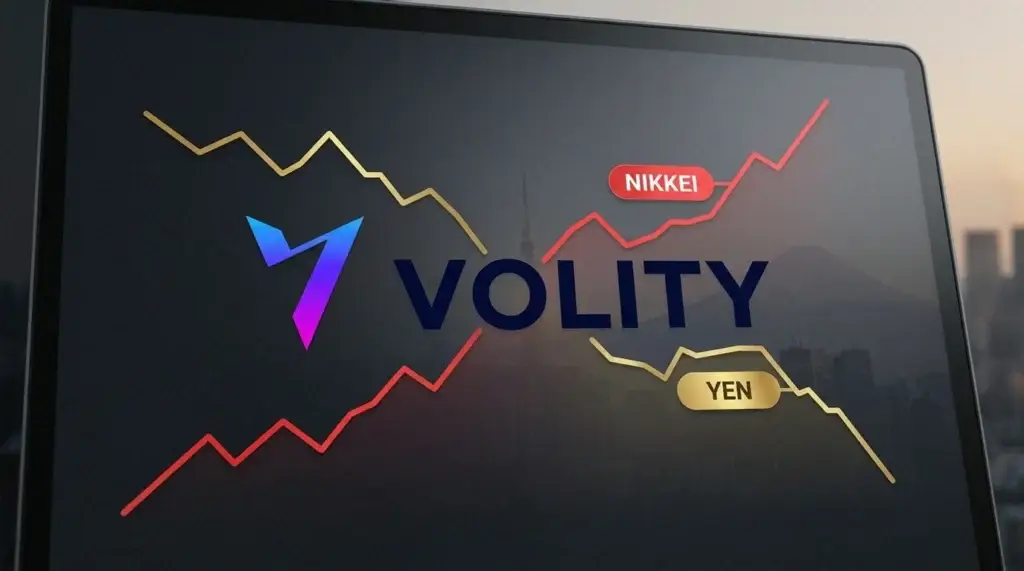
Newswires such as Reuters track the JPN225 under the symbol .N225, and the single biggest force behind the numbers is the Japanese yen. Many Nikkei members are exporters that earn much of their money abroad, so a weaker yen lifts their expected profits and tends to push the index higher, while a stronger yen drags it down. This gives the JPN225 a broadly inverse link to the yen, which is why traders follow the currency and the index side by side. The Bank of Japan sets the tone for the yen, so its decisions on interest rates and bond buying feed straight through to the index. Away from currency, the JPN225 rides the global technology cycle thanks to its heavy semiconductor weighting, and it takes its cue from demand across China and the wider region.
What are the JPN225 trading hours?
The Tokyo Stock Exchange runs two sessions with a lunch break: a morning session from 09:00 to 11:30 and an afternoon session from 12:30 to 15:30 Japan time, after the exchange pushed its close back by 30 minutes in November 2024. Japan is nine hours ahead of the UK, so the Tokyo cash session falls between roughly midnight and 06:30 UK time in winter. Nikkei 225 futures trade on the Osaka Exchange and in Singapore across day and night sessions, which is why a JPN225 CFD feed usually quotes for a far wider window than the cash market. For traders in Europe that means the index can travel a long way overnight and gap by the time you next look.
How do you trade the JPN225 as a CFD?
You trade the JPN225 as a contract for difference, which tracks the index level without you owning a single Japanese share. One position gives you exposure to all 225 companies at once, and you can go long if you expect the index to climb or short if you expect it to fall. The index is priced in yen, so your profit and loss build up in JPY before they convert to your account currency. Index CFDs are leveraged, letting a modest deposit control a larger position, and that leverage works on losses as hard as it works on gains, which is why regulators such as the FCA and ESMA stress the risk of trading indices with leverage.
On Volity you trade the JPN225 as an index CFD on Volity MT, with leverage of up to 1:500 depending on the instrument and CySEC-regulated execution through UBK Markets (licence 186/12). Index margin and overnight financing are listed under charges and fees. You put up your own capital and the leverage does the rest, so there is no funded or prop stage to pass first. Open an account for free or start on a demo, invest from $1 and trade from $1, and you can hold the JPN225 alongside forex, commodities and other global indices from one account. It sits beside the rest of the Volity indices platform, and it helps to read what an index is and how to trade indices before you place a first position.
Related guides
Frequently asked questions
Is JPN225 the same as the Nikkei 225?
Yes. JPN225 is a trading ticker for the Nikkei 225, Japan’s benchmark index of 225 companies on the Tokyo Stock Exchange. You will also meet it as JP225, N225 or Japan 225. Every one of those points to the same index; the label just depends on the platform.
Why is the JPN225 price-weighted?
The Nikkei 225 was built as a price-weighted average back in 1950, adding up members’ share prices rather than their market values, and it has kept that method for continuity ever since. The result is that high-priced stocks move the index most, so a few technology and retail names can drive the daily change further than their company size alone would suggest.
What are the JPN225 trading hours?
The Tokyo cash market trades 09:00 to 11:30 and 12:30 to 15:30 Japan time, which is roughly midnight to 06:30 UK time in winter. Nikkei futures run for almost the whole day, so a JPN225 CFD feed quotes across a wider window and the index can move overnight for European traders.
Can I trade the JPN225 on Volity?
Yes. Volity offers the JPN225 as an index CFD on Volity MT, so you can trade Japan’s benchmark long or short alongside forex, commodities and other global indices from one account, with leverage of up to 1:500 depending on the instrument and CySEC-regulated execution under UBK Markets. Open an account for free or start on a demo, fund from $1 and trade from $1. Index CFDs are leveraged and carry risk, so practise on a demo and size positions from your own risk tolerance.