Investing in financial products involves risk. Losses may exceed the value of your original investment.
Binance stablecoin surge is a core topic for traders in 2026. The complete guide follows.
Liquidity surges set stage for FOMC week: $6.2B flows into Binance
The crypto market rolled into September 10, 2025, powered by a tidal wave of stablecoin inflows. Binance experienced a remarkable $6.2 billion surge in a single day. This influx boosts its total stablecoin reserves to nearly $40 billion, solidifying its status as the undisputed liquidity behemoth, now handling about 67% of all exchange-held stablecoins. As traders load up before the upcoming U.S. Federal Open Market Committee (FOMC) meeting, the market is on alert for a spike in volatility. The overarching expectation is a 100% probability of a rate cut, prompting speculation that fresh capital is gearing up for potential breakouts across major cryptocurrencies.What does this liquidity mean for prices?
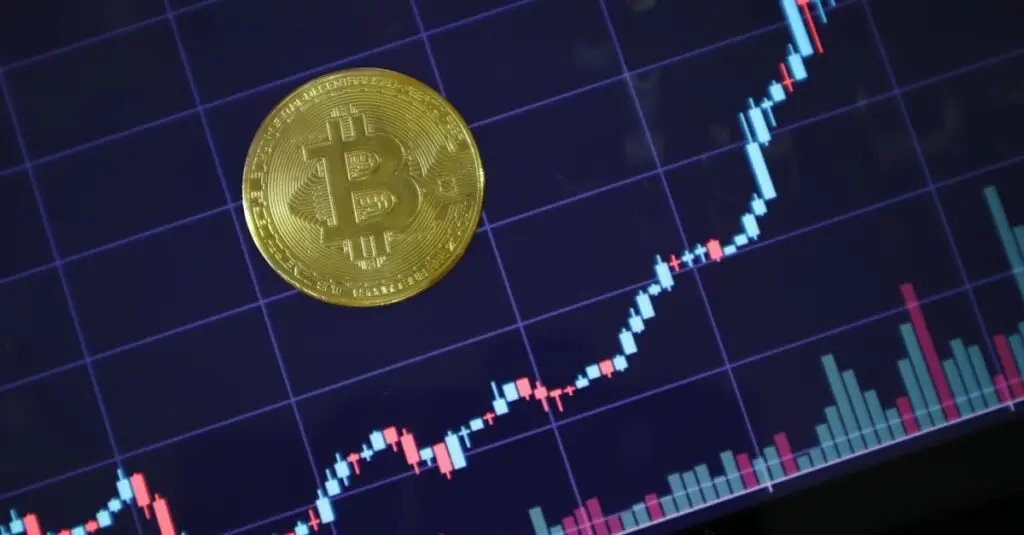
- BTC’s Consolidation – Bitcoin is firmly holding above $111,500, forming a triangle pattern supported by an upward trendline. Traders are eyeing the $113K resistance zone; a breakout could swiftly send prices towards $117,400, signalling a return to momentum trading.
- Whale vs. Retail – The uptick in reserves reflects a broader “accumulation phase.” Whales have stepped back, allowing retail traders to take centre stage. With futures markets cooling, spot liquidity is king. Each influx of stablecoins acts like a coiled spring-ready to fuel a sharp rally if market dynamics align.
Regulation relaxes, institutional adoption heats up
On the regulatory front, the Federal Reserve has quietly ended its ‘Novel Activities Supervision Program’ for banks engaged in crypto. This shift returns oversight to standard channels, signalling a notable softening in U.S. regulatory stance. Market participants are fostering optimism as 2025 heads towards a pivotal quarter for digital asset legitimacy.Additionally, the U.S. court recently blocked President Trump’s effort to remove Fed Governor Lisa Cook, perceived as a move to uphold central bank stability. This decision calmed macroeconomic nerves, providing a much-needed lift for crypto prices. Bitcoin and prominent altcoins celebrated modest gains, illustrating the interplay between political stability and investor confidence in digital assets.Meme coins and altcoins ascend to the institutional stage
Forget the notion that memecoins are just internet whims; they are entering the mainstream. Dogecoin’s upcoming ETF launch is a significant milestone, effectively granting a speculative asset the credentials of traditional finance. Congress and regulators are aligning towards clearer U.S. crypto frameworks, legitimising altcoins and meme tokens as credible, regulated components of mainstream portfolios.- Bitcoin Hyper ($HYPER) – This new Bitcoin Layer 2 project is drawing attention for being the “fastest, cheapest” scaling solution, backed directly by the Solana Virtual Machine (SVM). The ascent of $HYPER hints at a trend where companies are diversifying from traditional Bitcoin holdings towards innovative alternatives.
- Solana Treasuries – Institutional interest in Solana has surged, as evidenced by substantial treasury holdings, such as 435,000 $SOL at SOL Strategies. Companies are leveraging Solana not only for yield but also as a fresh alternative to aging corporate Bitcoin positions.
- Maxi Doge, PepeNode, Wall Street Pepe – A new wave of meme tokens is introducing innovative mechanics-like staking and gamified mining-alongside retail engagement strategies aimed at cultivating sustainable growth, rather than mere viral spikes.
Key drivers for Q4: what every trader should watch
- Centralized liquidity dominance – Binance’s 67% stablecoin market share centralises decision-making, which can sharpen both rallies and declines.
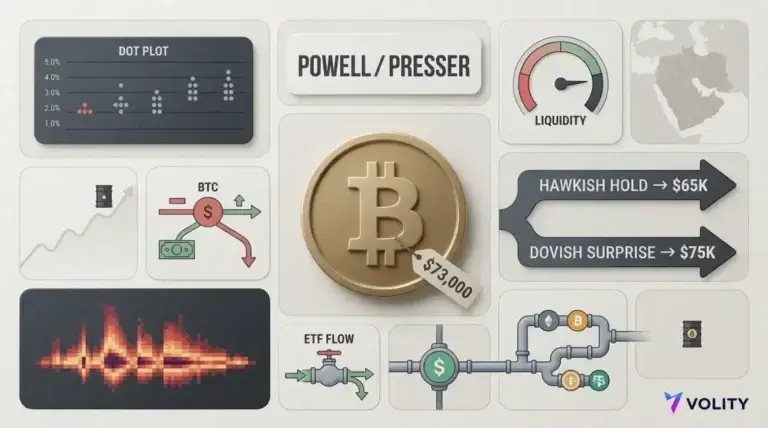
- Fed-driven volatility – The upcoming FOMC meeting will likely be a flashpoint for new capital deployment. Unexpected moves on interest rates could ripple through all digital asset classes.
- Regulatory clarity – The easing of U.S. regulations, coupled with tangible congressional actions, positions the market for increased institutional inflows as 2025 closes in.
- Altcoin and meme legitimacy – ETFs, treasury adoptions, and gamified DeFi are marking a maturation phase for assets previously deemed fringe, now firmly in the investment mainstream.
Analytics spotlight: lessons from the whales
Despite the record cash flowing into Binance, recent weekends have illustrated how a single whale can tilt the market. When 24,000 BTC hit the market in one swift motion, it triggered substantial liquidations and a sharp market pullback. This underscores a crucial lesson: Market depth is expanding, but risk persists. As significant stablecoin inflows replenish order books, both rallies and corrections can be intensified by this new concentration of buying power.Trader tools, pro tips, and what’s next
- Airdrop farming – Engaging in testnet airdrops proves to be a profitable venture for discerning participants; successful players in 2024 reported earnings exceeding $60,000, showcasing that strategic miners and farmers can significantly outpace passive holders.
- Layer 2 and DeFi infrastructure – Projects like Bitcoin Hyper and Solana-backed treasuries hint that non-Ethereum scaling solutions are establishing their narratives, attracting institutional interest and energising the next phase of infrastructure development.
Final thoughts: the crypto horizon
With liquidity surging, memecoins gaining credence, and regulation easing, the crypto landscape stands poised on the brink of another potential cycle. Traders and investors should prepare for increased volatility and be ready to deploy capital in response to catalysts, from FOMC surprises to new ETF launches. In the world of crypto, the next “unthinkable” moment may be closer than it seems.For more on this topic see our deep-dives on Ethereum ETFs and the USDC Welfare Pilot Reshaping Finance, Ethereum Price Prediction: Expert Analysis, Forecast Models, Strategies, and Kyrgyzstan Gold-Backed Stablecoin USDKG: Secure Crypto Investment Trends.
For more on this topic see our deep-dives on Wall Street Meets Web3: How TradFi and Crypto Are Converging, Trump Family $1 Billion Crypto Profits Amid China Stablecoin Crackdown, and XRP ETF Decisions and Crypto Market Trends Investors Watch.
What our analysts watch: The desk reads the stablecoin-FOMC setup through three lenses. Net stablecoin inflow into Binance in the 72 hours before an FOMC decision (a sidelined-buyer proxy). The Binance-Coinbase basis on Bitcoin perpetuals (a US versus offshore demand split). And the open-interest build on FTX-replacement venues (a leverage-stack signal). When stablecoin inflow rises, the basis turns positive, and open interest builds into FOMC, the post-meeting move tends to be larger and more directional than headline rate-decision math alone suggests.
Related coverage on Volity
- How to Avoid Crypto Scams: A Beginner Safety Checklist
- How to Choose a Trading Platform: A 10-Point Checklist
- Demo vs Live Trading Account: A 7-Step Checklist Before You Go Live
- How to Size a Trade: Position Sizing and Risk Per Trade for Beginners
- Risk-Reward Ratio Explained: How to Set It and Why It Matters
- ETF vs Index Fund: The Difference and Which to Pick
Frequently asked questions
Why are Binance stablecoin reserves a leading indicator for Bitcoin?
Binance is the largest spot-and-derivatives crypto venue globally by volume. Stablecoins parked on the exchange represent capital that has already chosen to be in the crypto ecosystem and is one click away from a Bitcoin or altcoin trade. Rising reserves signal accumulation of dry powder; falling reserves signal either active deployment or withdrawal back to fiat. CoinDesk publishes ongoing reserve-flow analysis.
How does FOMC affect crypto positioning at venues like Binance?
FOMC decisions reset the implied path of real yields and the dollar. Crypto traders respond by adjusting leverage and direction in the 24 to 72 hours around the meeting. Funding rates on Binance perpetual futures often spike (positive or negative) into the decision and reset on the post-meeting press conference. The BIS covers the rates-to-crypto transmission mechanism in working papers.
What is the difference between USDT and USDC for trading purposes?
USDT (Tether) is the dominant stablecoin by volume globally and the default quote currency on Binance and most non-US offshore venues. USDC (Circle) carries cleaner regulatory positioning, dominates US-regulated venues like Coinbase, and is the preferred stablecoin for institutional flows. Both are dollar-pegged; the differences lie in counterparty risk profile, jurisdictional exposure, and venue distribution. FATF Travel Rule guidance shapes how exchanges handle both.
Should retail traders trade Bitcoin into FOMC?
FOMC volatility is a live edge for traders with a tested process and appropriate sizing, and a meaningful drawdown risk for traders who size up because they think the direction is obvious. Volity desk view: reduce leverage into the meeting, wait for the post-press-conference flush, and trade the second-day continuation rather than the immediate-reaction headline candle. The SEC investor alerts on crypto and the FCA derivatives guidance both reinforce the case for measured exposure.
Related guides
- Bitcoin explained
- Ethereum explained
- Crypto trading platforms
- Cryptocurrency trading
- Best crypto investments
Volity operates a trading platform and also publishes educational and analytical content about trading. The content on this page is for educational purposes only and should not be considered financial advice. Volity may benefit commercially when readers open trading accounts through links on this site.
Our content is produced and reviewed under documented editorial standards; see our comparison and review methodology.